Budget Travel in India: How to See More, Spend Less
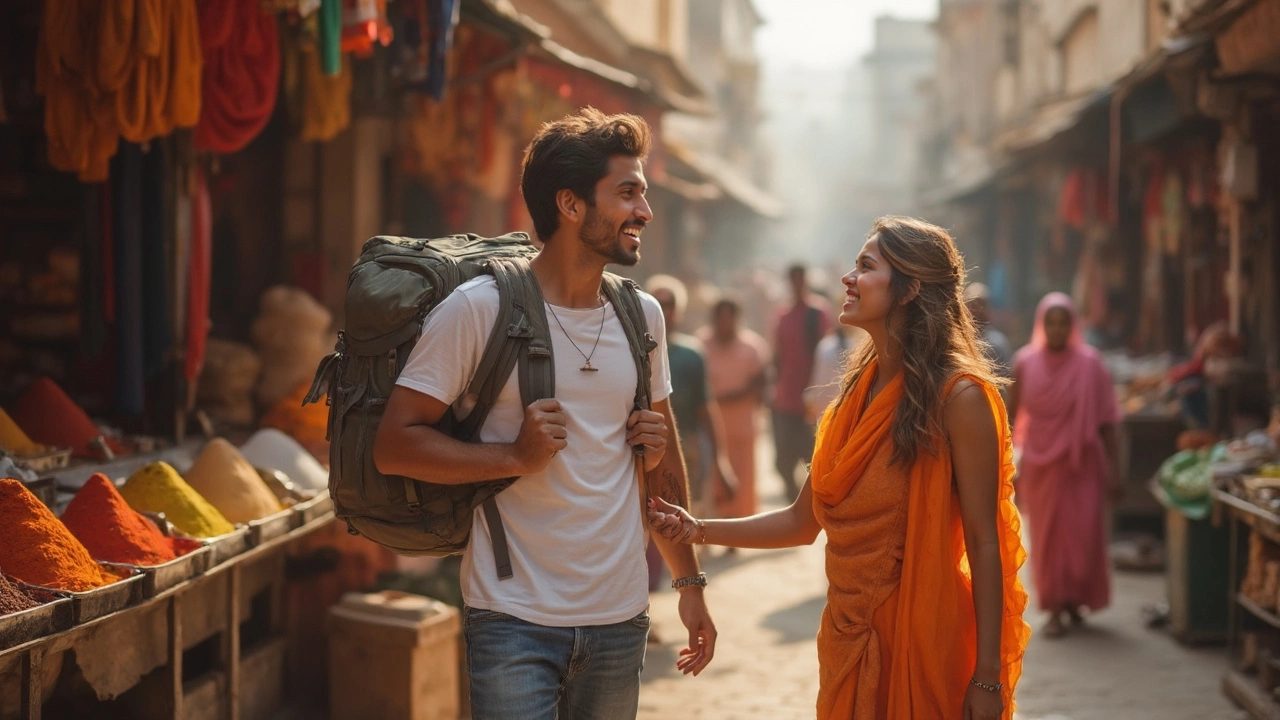
When you think of budget travel, traveling with limited funds while still experiencing authentic culture and places. Also known as low cost travel, it backpacking in India isn’t about skipping the good stuff—it’s about knowing where your money actually matters. You don’t need to stay in five-star hotels or fly private to feel the magic of India. A 500-rupee meal in Varanasi, a ₹200 train ride from Jaipur to Agra, or a night in a family-run guesthouse in Kerala can give you more real experience than a luxury resort that costs ten times as much.
India’s budget travel scene thrives because the cost of living is low, but the value isn’t. The Golden Triangle, the classic circuit of Delhi, Agra, and Jaipur is still the best starting point for first-timers, and you can do it all for under ₹10,000 if you know how. Rishikesh, India’s hippie capital and yoga hub lets you sleep in a riverside ashram for ₹300 a night and eat three meals for ₹150. Even Goa, famous for beaches and parties has quiet stretches like Palolem where you can find clean, safe stays under ₹800 a night—no club fees, no markups, just sea breeze and local curry.
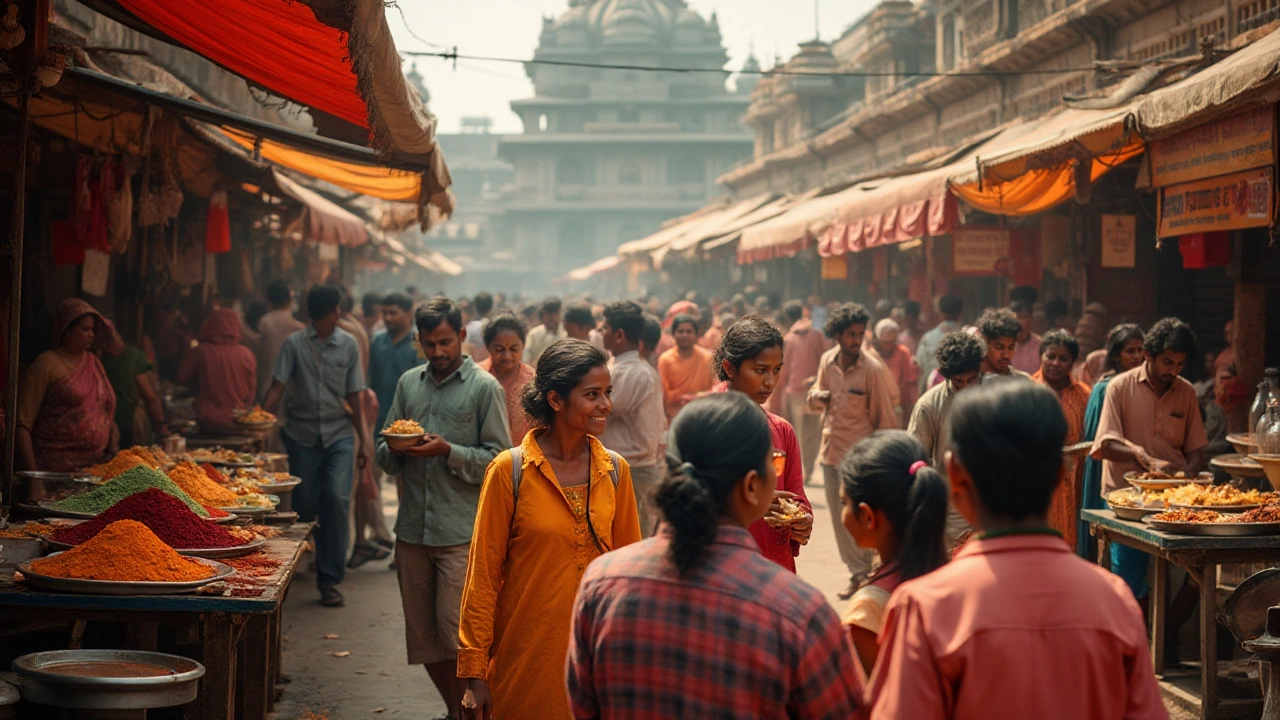
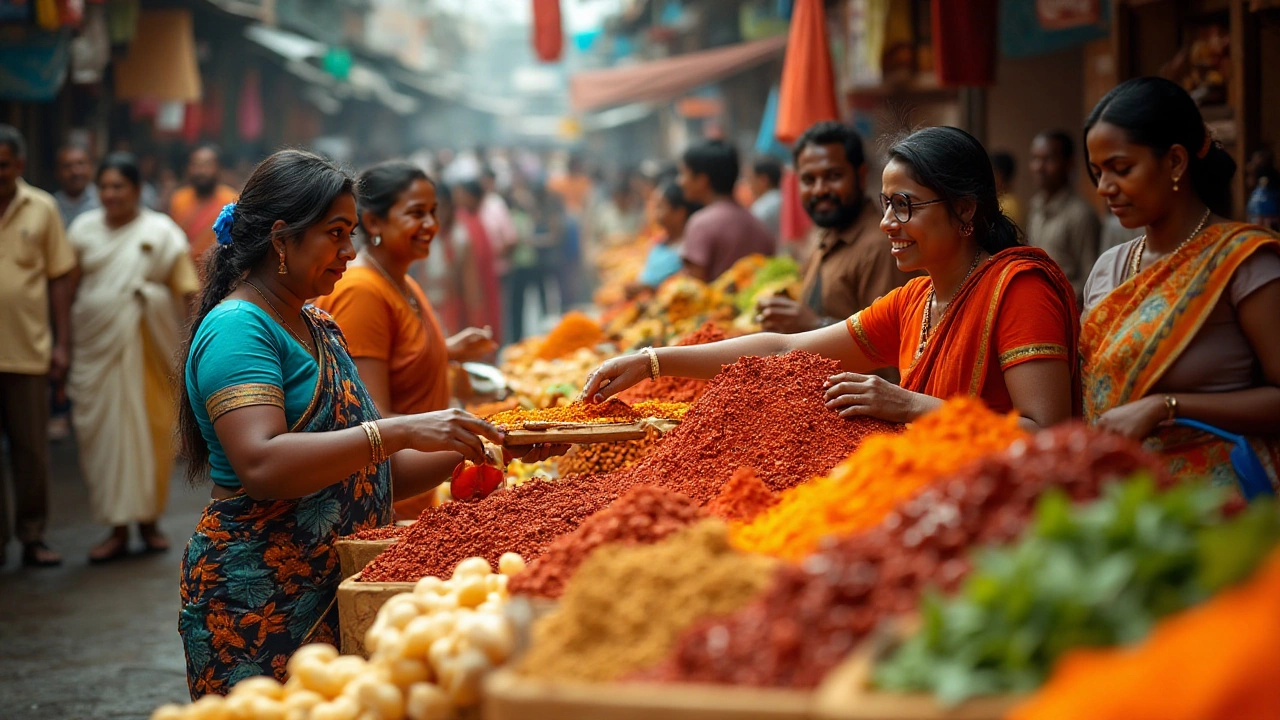
What makes budget travel in India work isn’t just cheap prices—it’s how locals live. Street food isn’t a gimmick; it’s where the best flavors are. Local trains aren’t crowded because they’re bad—they’re the fastest, cheapest way to move between cities. And staying in heritage homes converted into guesthouses? That’s not just affordable—it’s history you can sleep in. You’ll find real stories in these posts: how ₹500 stretches across two days in Agra, why the Palace on Wheels isn’t the only luxury train experience (and how to get the same feel for less), and how to avoid tourist traps that drain your wallet without giving you anything back.
Whether you’re planning a weekend escape or a three-month journey across the country, the truth is simple: India rewards the curious, not the rich. The posts below give you exact numbers, real locations, and honest advice—not guesswork. You’ll learn what to pack, where to skip the guidebooks, and how to eat like a local without spending like a tourist. This isn’t a fantasy. This is how millions of travelers, from students to retirees, explore India every year—and you can too.