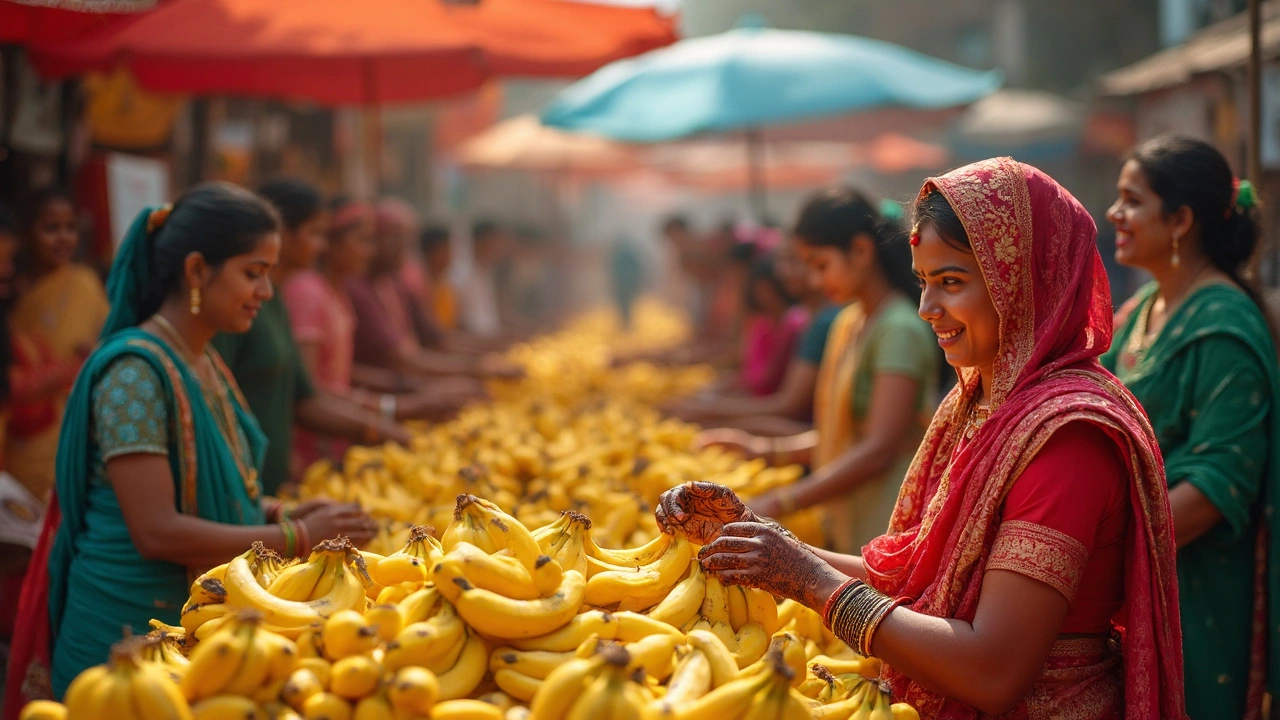
Food Safety in India: What You Need to Know Before You Eat
When you're eating in India, food safety, the practices that keep meals clean, fresh, and free from harmful bacteria or contamination. It's not about fear—it's about awareness. Also known as hygiene in food handling, it’s the quiet rule that keeps travelers healthy while letting them taste the real India. This isn't just about street vendors or fancy restaurants. It’s about the whole system: how water is stored, how spices are ground, how meat is chilled, and who handles your food before it reaches your plate.
Many travelers worry about street food, locally prepared meals sold from carts, stalls, or small stands, often the most authentic and affordable way to eat in India. Also known as roadside cuisine, it’s where you’ll find the best pani puri, dosa, or kebabs. But here’s the truth: the busiest stalls are usually the safest. Why? Because high turnover means food doesn’t sit around. Fresh ingredients move fast. If a vendor has a line of locals waiting, that’s your best signal. Look for clean hands, covered food, and boiling oils. Avoid anything sitting uncovered in the sun for hours.
water safety, the practice of ensuring drinking water is free from pathogens, chemicals, or parasites that cause illness. Also known as potable water standards, it’s one of the biggest risks if you’re not careful. Bottled water is cheap and widely available. Always check the seal. Avoid ice unless you’re sure it’s made from purified water. Even brushing your teeth with tap water can cause trouble if your system isn’t used to it. In cities like Delhi or Mumbai, bottled water is the norm—not a luxury.
Then there’s hygiene in India, the everyday habits around cleanliness in kitchens, markets, and public spaces that impact how safe your food really is. Also known as food handling practices, it varies wildly from place to place. In a family-run eatery in Kerala, the cook might wash vegetables three times before cooking. In a busy train station stall, you might see hands wiping sweat on a shirt before handling rotis. Neither is perfect, but one is more common. Your job isn’t to judge—it’s to observe. Watch how food is prepared. If something looks dirty, skip it. Your stomach will thank you.
You don’t need to avoid Indian food to stay safe. You just need to be smart. Stick to hot, freshly cooked meals. Avoid raw salads unless you’re at a trusted hotel. Trust your nose—if something smells off, it probably is. And remember, diarrhea isn’t a badge of honor. It’s a sign you missed a clue.
The posts below give you real stories from travelers who got it right—and those who didn’t. You’ll find tips on what to order, where to eat in Goa, how to handle food in Rajasthan, and why some of the best meals in India come from the most unassuming places. No myths. No fear. Just facts you can use the next time you’re hungry in India.