Northeast India Tourism: Hidden Gems, Culture, and Adventure Beyond the Golden Triangle
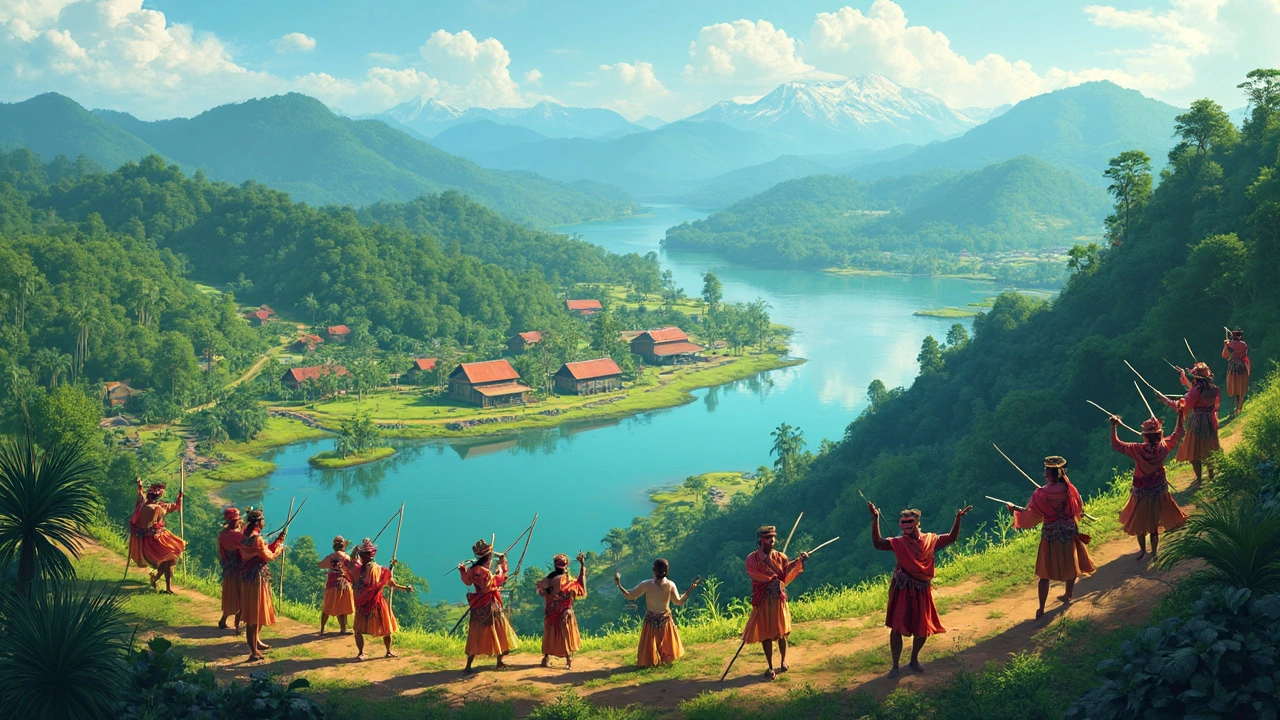
When you think of India’s top travel spots, you probably picture the Northeast India tourism—but that’s just the tip of the iceberg. While most tourists rush through Delhi, Agra, and Jaipur, a whole other India waits in the east: misty hills, untouched jungles, and communities that still live by ancient traditions. Northeast India tourism, a region of seven states known for its biodiversity, ethnic diversity, and remote beauty. Also known as the Seven Sisters, it’s where India’s wild heart beats loudest. This isn’t just another destination—it’s a cultural and natural treasure chest most travelers never open.
What makes this region different? For starters, it’s not about temples or palaces—it’s about Kaziranga National Park, home to two-thirds of the world’s one-horned rhinos and a sanctuary for tigers, elephants, and rare birds. It’s about trekking through Arunachal Pradesh, a state so remote that many villages still have no roads, and monasteries cling to mountain cliffs. It’s about the living root bridges of Meghalaya, where communities grow bridges from tree roots over decades. These aren’t tourist attractions—they’re living systems, shaped by generations of people who’ve never needed Instagram to know their land is special.
And then there’s the food. Think smoked pork with fermented bamboo, sticky rice wrapped in leaves, and spicy chutneys made from wild herbs. You won’t find these flavors in Delhi’s street stalls. You’ll find them in home kitchens in Shillong, Gangtok, or Tawang, where meals are tied to seasons, rituals, and family stories. This is culture you can taste, not just photograph.
People ask why anyone would go to Northeast India when the Golden Triangle exists. The answer? Because the Golden Triangle shows you India’s past. Northeast India shows you its soul—quiet, unfiltered, and deeply alive. You won’t see crowds here. You’ll see children chasing butterflies near waterfalls, elders singing tribal songs at dusk, and guides who’ve never heard of Airbnb but know every trail by heart.
Below, you’ll find real stories from travelers who’ve gone off the map—to hidden waterfalls in Nagaland, bamboo rafting in Assam, and festivals where masks come alive and drums speak louder than words. These aren’t curated tours. These are journeys that changed how people see India. If you’re ready to move beyond the postcards, what you’ll find here might just change how you see travel, too.