Sacred Visits in India: Temples, Rituals, and Spiritual Journeys
When people talk about sacred visits, deeply personal journeys to places of spiritual significance, often tied to faith, ritual, and emotional release. Also known as pilgrimages, these visits aren’t just about seeing holy sites—they’re about feeling something you can’t explain. In India, sacred visits aren’t tourist activities. They’re moments when a stranger cries in a temple, a mother whispers a prayer over a child’s forehead, or a man walks barefoot for miles just to touch a stone. This isn’t performance. It’s presence.
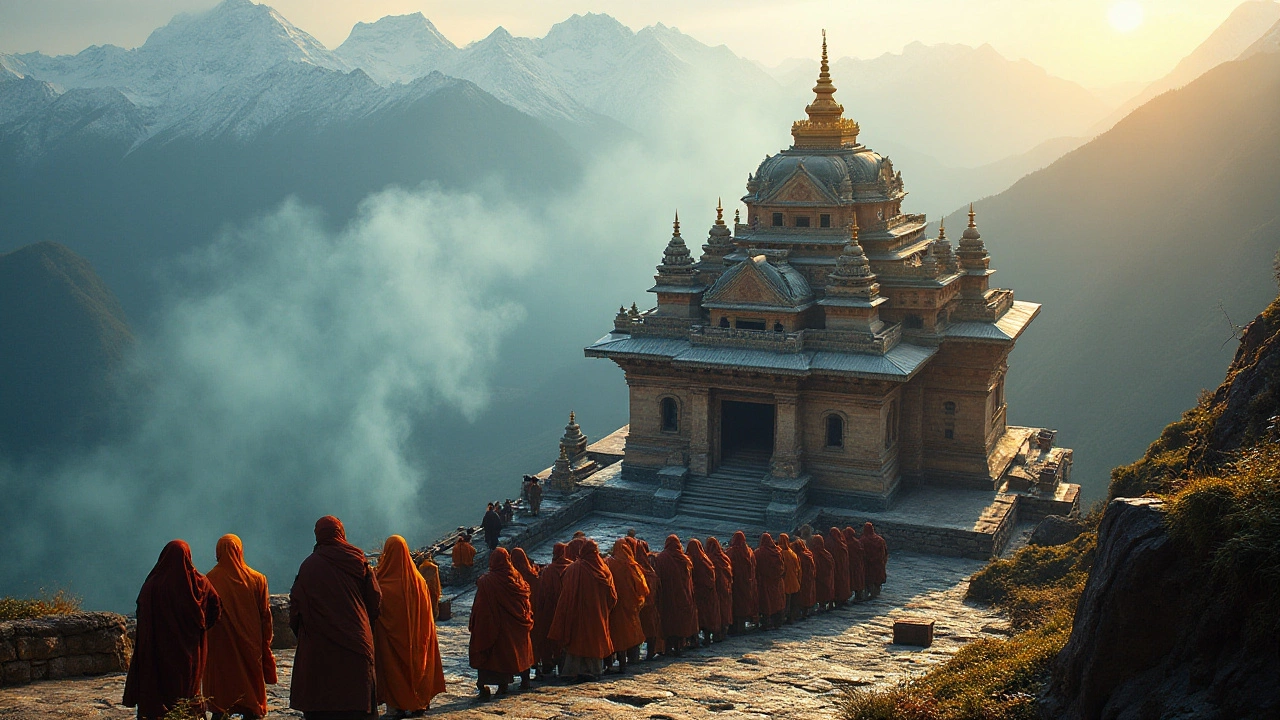
These journeys connect to Indian temples, ancient structures that serve as living centers of worship, community, and cosmic order. From the golden spires of Tirupati to the mist-covered shrines of Kedarnath, each temple isn’t just architecture—it’s a rhythm. The clang of bells, the scent of incense, the chant of priests—it all pulls you into a flow older than language. And then there’s religious rituals, daily acts of devotion passed down through generations, from offering flowers to Ganga Aarti on the ghats of Varanasi to fasting during Navratri. These aren’t showy ceremonies. They’re quiet, repetitive, and deeply personal. They’re how people stay grounded when life feels chaotic.
People don’t come to India for sacred visits because they want to check a box. They come because they’re searching—for peace, for clarity, for a moment when the noise stops. And they find it in places like Rishikesh, where yoga and river rituals blend into one, or in the hills of Amarnath, where ice forms a natural lingam and pilgrims climb through snow to witness it. These aren’t just destinations. They’re thresholds.
You’ll find stories here about why people cry in temples—not because they’re sad, but because something inside them finally lets go. You’ll see how a 500-rupee budget can stretch to cover a night near a shrine, or how the most luxurious train in the world, the Palace on Wheels, still stops at ancient temples so guests can experience the quiet before dawn. This collection doesn’t sell spirituality. It shows it—in the sweat of a pilgrim’s brow, in the silence between chants, in the way a grandmother touches a child’s head before entering a shrine. These are the real sacred visits. Not the ones on postcards. The ones that change you.