Trekking in India: Best Trails, Tips, and Why It’s the Ultimate Adventure
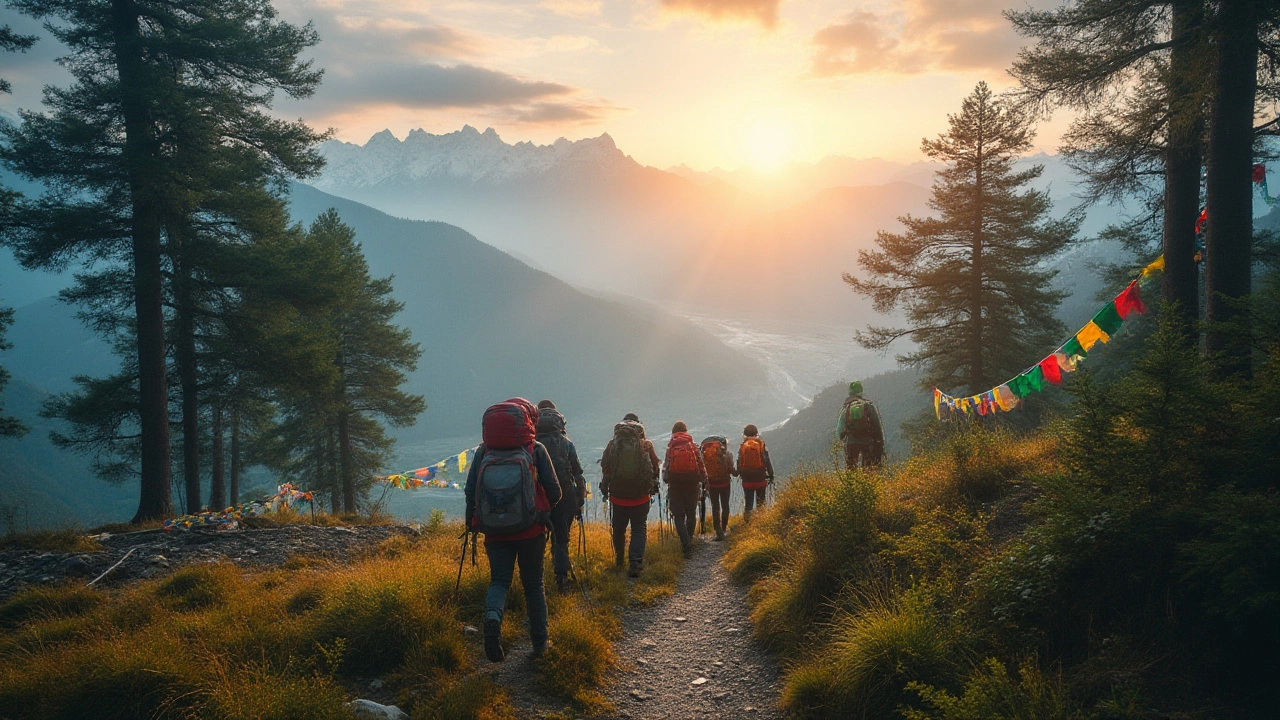
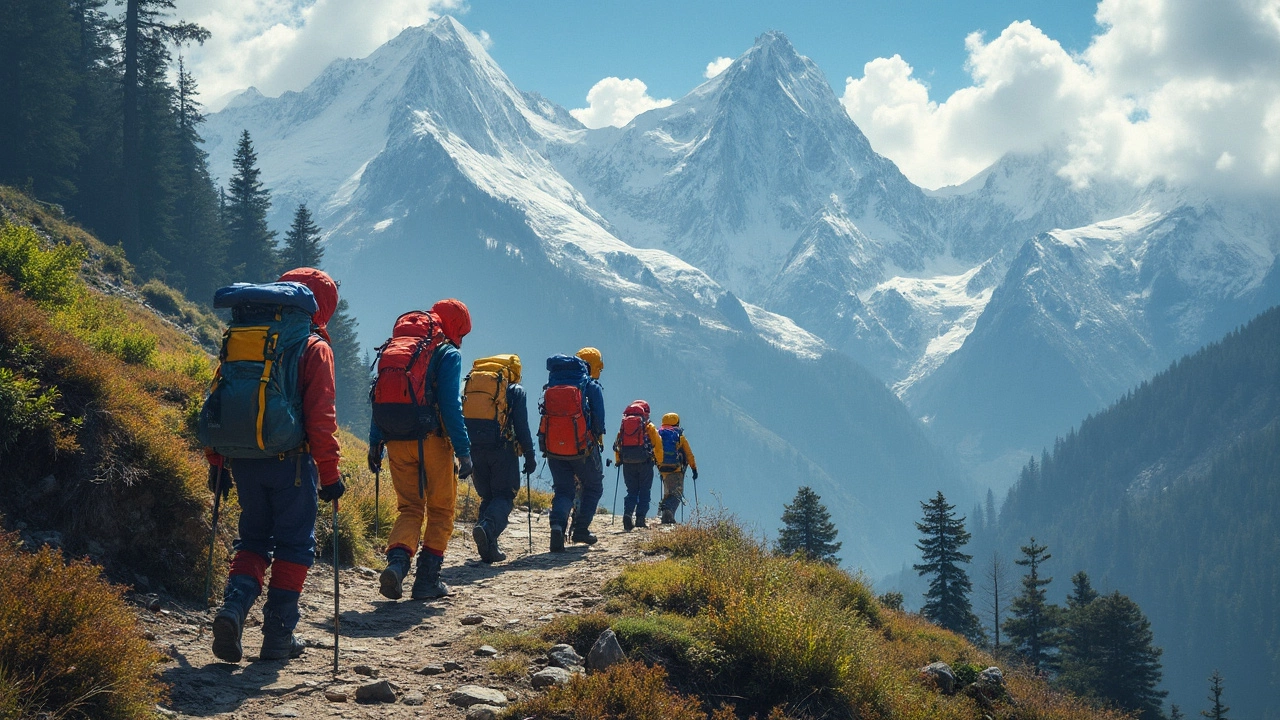
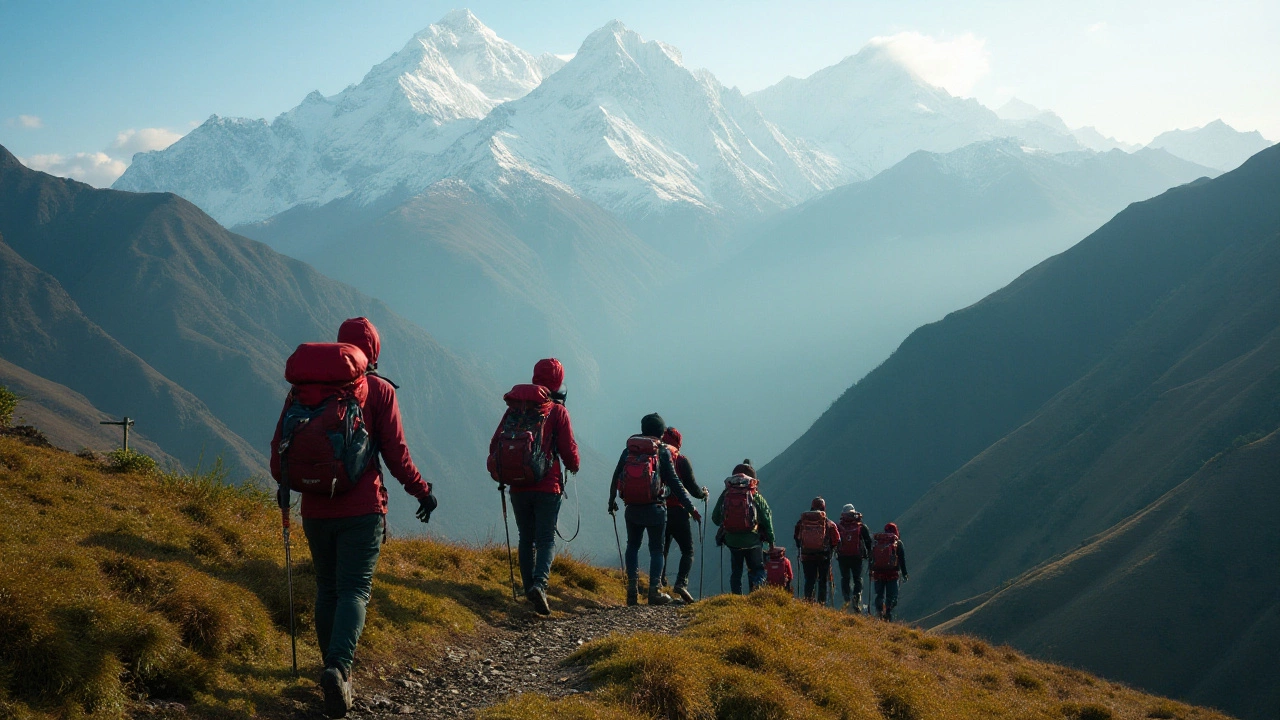
When you think of trekking, a physical journey through rugged terrain, often on foot, for recreation or exploration. Also known as hiking, it’s more than just walking—it’s about connecting with landscapes that few ever see. In India, trekking isn’t a tourist activity; it’s a tradition passed down through generations of shepherds, pilgrims, and mountain dwellers. Unlike packed city tours, trekking here means waking up to silence, sleeping under stars, and crossing passes where the air is thin and the views are endless.
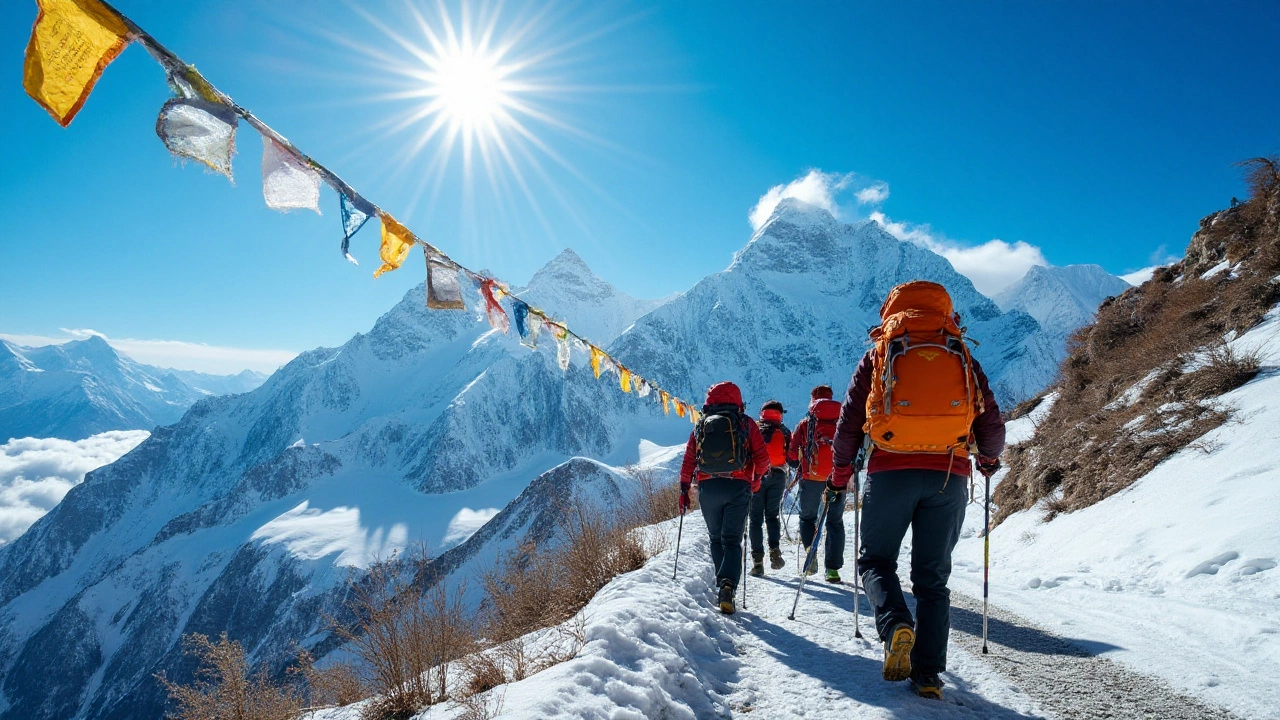
India’s Himalayan trekking, long-distance walking routes through the northern mountain range, including popular trails like the Valley of Flowers and Roopkund draws adventurers from around the world. But you don’t need to climb Everest to feel the rush. Shorter treks like Kheerganga in Himachal or Nag Tibba near Rishikesh give you the same sense of accomplishment without weeks of training. And then there’s the Western Ghats, a UNESCO-listed mountain chain running along India’s west coast, known for its biodiversity and mist-covered trails like Kudremukh and Tadiandamol—where you walk through tea plantations, waterfalls, and forests that feel untouched by time.
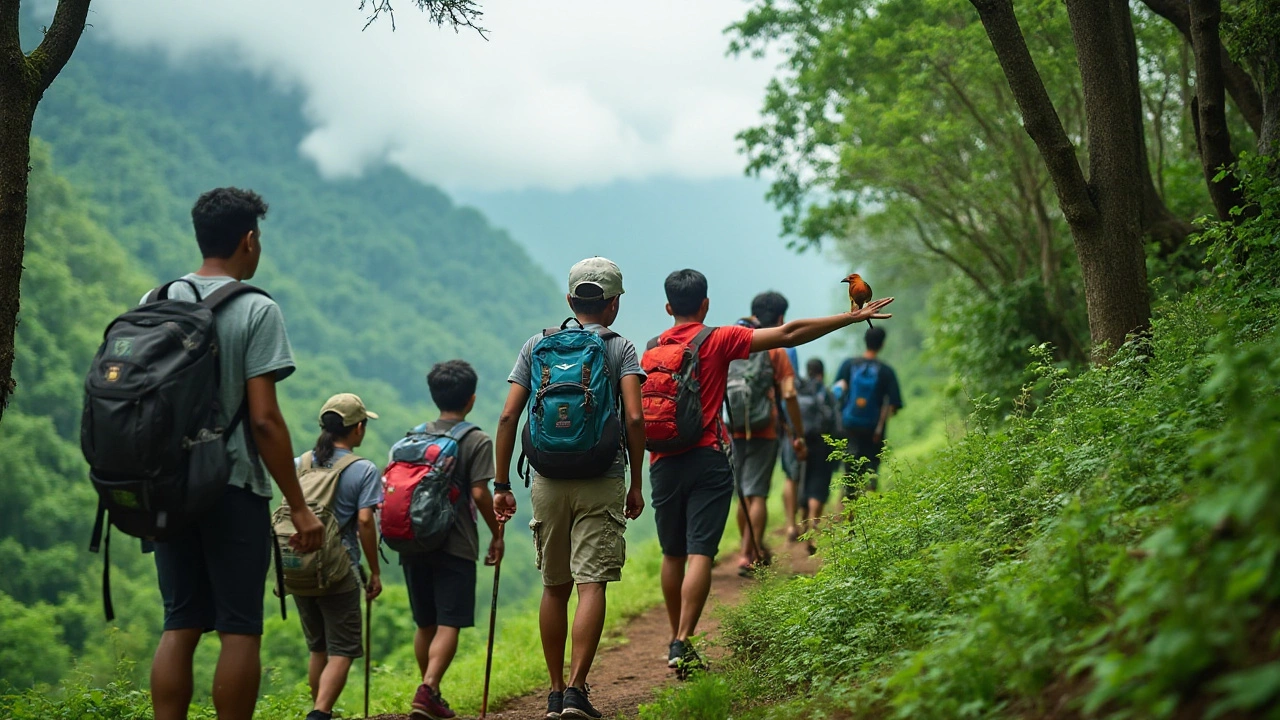
What makes trekking in India different? It’s not just the scenery. It’s the people. You’ll share tea with a local guide who knows which path avoids the monsoon mud. You’ll pass through villages where kids wave and elders offer fresh fruit. You’ll find that the best trails aren’t marked on apps—they’re whispered about in homestays and shared over chai. This is why adventure sports India, a growing category including trekking, rafting, and paragliding, rooted in the country’s extreme geography and local expertise isn’t just popular—it’s deeply personal.
And if you’re wondering where to start, look no further than Rishikesh. Known as India’s hippie capital, it’s also the launchpad for dozens of beginner-friendly treks. You can hike to the source of the Ganges, sleep in riverside camps, and still be back in town for yoga by sunset. No fancy gear needed. Just good shoes and an open mind.
The posts below cover everything you need to know: which trails are safest, how much they really cost, what to pack (and what to leave behind), and why some of the best experiences happen when you get lost on purpose. Whether you’re planning a weekend escape or a month-long expedition, you’ll find real stories—not brochures. No fluff. Just what works.