
Weekend Trip Budget Calculator
Plan your $500 weekend getaway by adjusting costs for transport, accommodation, food, and activities to see if you stay within budget.
Picture this: it’s Friday evening. You’ve had a brutal week of meetings, emails, and commuting. All you want is to escape. But when you check your bank account, you see that $500 sitting there-the exact amount you set aside for a quick recharge. The big question hits you hard: is $500 enough for a weekend trip? It sounds tight. It might even sound impossible if you’re dreaming of five-star hotels and first-class flights. But here is the truth most travel blogs won’t tell you: $500 is actually plenty for an incredible weekend getaway if you know where to look and how to spend.
I’ve spent years planning trips from my base in Bristol, chasing value over vanity. I’ve learned that the magic isn’t in spending more; it’s in spending smarter. Whether you are looking at domestic routes or crossing borders, this budget can cover transport, decent accommodation, food, and activities without leaving you broke by Sunday night. Let’s break down exactly how to make those dollars stretch further than you think.
The Math Behind the Magic: Breaking Down Your $500
To answer whether $500 is enough, we need to strip away the guesswork and look at the numbers. A weekend trip usually spans two nights and three days (Friday to Sunday). Here is a realistic split that keeps you comfortable but not extravagant.
| Expense Category | Estimated Cost (USD) | Notes |
|---|---|---|
| Transportation | $150 - $200 | Flights booked early or gas/tolls for road trips |
| Accommodation (2 Nights) | $160 - $240 | Boutique B&Bs, hostels with private rooms, or Airbnb deals |
| Food & Drink | $80 - $100 | Local eateries, street food, one nice dinner |
| Activities & Entertainment | $40 - $60 | Museum entry, hiking gear rental, or local tours |
| Buffer/Miscellaneous | $20 - $30 | Souvenirs, tips, unexpected costs |
See? It fits. The key is flexibility. If flights cost more, you save on accommodation by choosing a hostel or a shared apartment. If you splurge on a fancy hotel, you eat like a local and skip paid attractions. This balance is what makes the $500 budget viable.
Choosing the Right Destination: Proximity Pays Off
The single biggest factor in keeping your costs down is distance. When you have a fixed budget, every mile you fly eats into your fun money. For a $500 weekend trip, stick to destinations within a 2-hour flight or a 4-hour drive from your home city.
If you live near a major hub, you have options. Cities like Austin, Nashville, or Asheville offer rich cultural experiences without the price tag of New York or San Francisco. Even international travel can work if you are close to a border. For instance, travelers in northern US states often find great value crossing into Canada or Mexico for weekends, taking advantage of favorable exchange rates.
Consider lesser-known towns instead of famous capitals. Instead of Paris, try Lyon. Instead of London, explore Bath or Bristol. These places offer authentic culture, cheaper rent, and less tourist markup. You’ll often find better food and friendlier locals because you aren’t competing with cruise ship crowds.
While most of us focus on nearby escapes, some travelers seek unique connections abroad. For example, if you are exploring Central Asia, resources like this directory can provide insights into local services in cities like Almaty, though such niche interests rarely fit a standard $500 weekend model due to high travel costs. For the average traveler, sticking closer to home remains the smartest financial move.
Hacking Accommodation Costs Without Sacrificing Comfort
Hotels are the silent budget killers. A standard mid-range hotel might charge $120 per night, which instantly wipes out half your lodging budget. Here is how to avoid that trap:
- Airbnb Entire Homes: Often, renting a whole apartment is cheaper than a hotel room, especially if you cook your own meals. Look for listings with kitchens to save on dining.
- Boutique Bed & Breakfasts: Many smaller B&Bs offer better value chains than big chains. They include breakfast, which saves you another $15-$20 per day.
- Hostel Private Rooms: Don’t write off hostels just because they have dorms. Most modern hostels offer clean, secure private rooms at 30-40% less than hotels.
- Last-Minute Apps: Use apps like HotelTonight to snag unsold rooms at deep discounts. This works best if your plans are flexible.
I once stayed in a stunning Victorian-era B&B in Savannah for $70 a night simply because I booked on a Tuesday for a Friday arrival. The owner wanted to fill the empty room. Be that person who finds the deal.
Eating Like a Local: The Food Strategy
Food doesn’t have to be expensive to be delicious. In fact, the best meals are often found in the least glamorous spots. Tourist traps near landmarks charge premium prices for mediocre food. Walk three blocks away. Look for places where locals eat lunch.
Here is a simple rule: Spend big on one meal per trip. Maybe it’s a nice dinner on Saturday night. For everything else-breakfast, lunch, Sunday brunch-keep it casual. Grab coffee and pastries from a bakery. Eat sandwiches from delis. Try street food. In many cultures, street food is safer and tastier than restaurant fare.
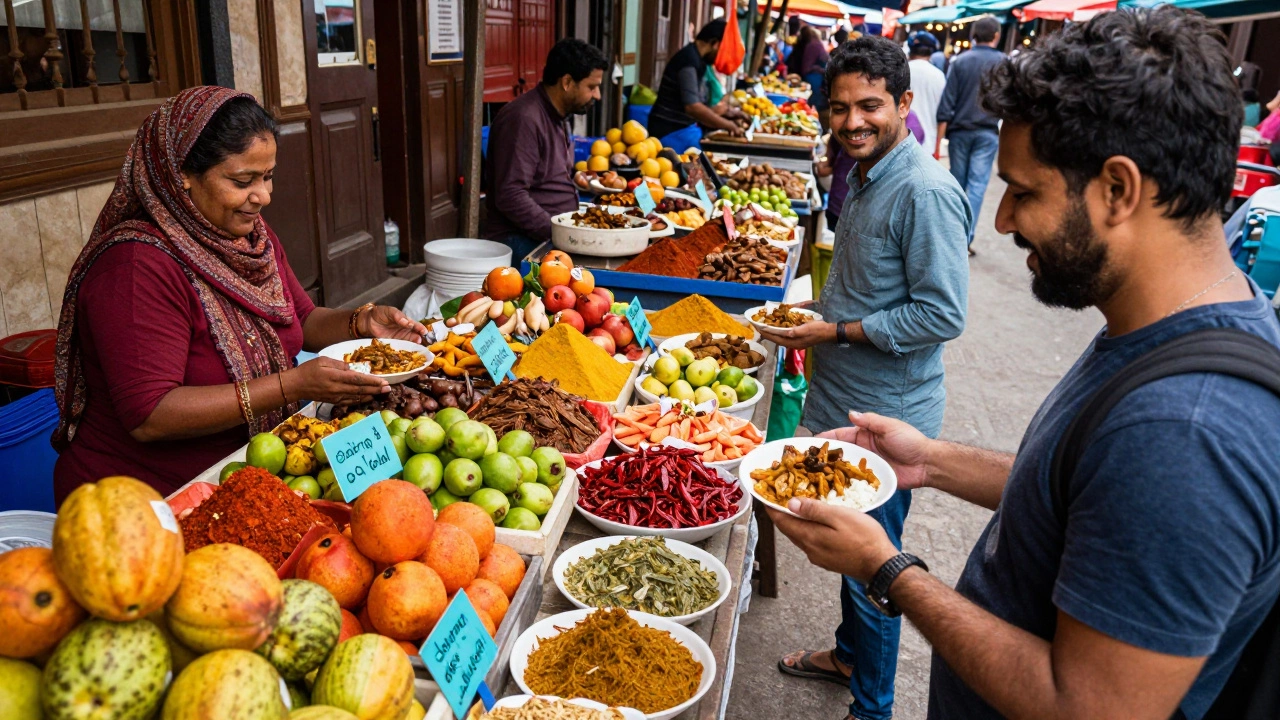
Cooking at least one meal also helps. If your accommodation has a kitchen, buy ingredients from a local grocery store. Not only does this cut costs, but visiting a local market is an experience in itself. You learn about regional produce and interact with residents rather than just passing through.
Free and Low-Cost Activities That Deliver High Value
You don’t need expensive tickets to have a memorable weekend. Some of the best travel memories come from zero-cost activities.
- Hiking and Nature Walks: National parks often have free trailheads. A scenic hike offers fresh air, exercise, and breathtaking views without a price tag.
- Free Walking Tours: Most cities offer these. You tip the guide at the end based on satisfaction. It’s a low-risk way to learn history and get oriented.
- Museum Free Days: Many museums have specific days or hours where entry is free or pay-what-you-wish. Check their websites before you go.
- Neighborhood Exploration: Simply wandering through historic districts, visiting public squares, and people-watching costs nothing. Bring a camera and capture the vibe.
- Festivals and Events: Check local event calendars. Small towns often host free concerts, art fairs, or food festivals on weekends.
Focus on experiences, not souvenirs. The story you tell friends about the hidden jazz bar you found or the mountain peak you climbed is worth far more than a magnet from a gift shop.

Timing Is Everything: When to Go Matters
Your budget stretches further depending on when you travel. Avoid peak seasons whenever possible. Summer in Europe or holiday weeks in the US will blow your $500 limit in hours. Shoulder seasons-spring and fall-offer mild weather and lower prices.
Even within a weekend, timing affects cost. Flying out on Saturday morning and returning Sunday night is usually more expensive than flying Friday afternoon and returning Monday morning. If you can take one extra day off work, you unlock significantly cheaper flight fares and hotel rates. Employers often appreciate the mental health boost of a longer break too.
Weekdays are cheaper than weekends. Hotels drop prices on Sundays and Mondays. Restaurants have happy hour deals. Plan your core activities for Saturday, but use Friday and Sunday for relaxation and exploration at lower costs.
Common Pitfalls to Avoid
Even with a plan, it’s easy to slip up. Here are the mistakes that drain budgets quickly:
- Ignoring Hidden Fees: Airport parking, baggage fees, resort fees, and service charges add up. Always read the fine print.
- Impulse Spending: Saying yes to every tour or souvenir shop visit leads to regret later. Set a daily spending limit and stick to it.
- Overpacking: Extra luggage means extra fees. Pack light. You’re only gone for two nights.
- Not Researching Transport: Taxis and ride-shares in tourist areas are pricey. Use public transit or walk when possible.
Track your expenses in real-time. Use a simple app or even notes on your phone. Knowing you’ve spent $150 already forces you to make conscious choices about the remaining $350.
Final Thoughts: Making It Work
So, is $500 enough for a weekend trip? Absolutely. It requires intentionality, research, and a willingness to trade luxury for authenticity. You won’t be staying in penthouses or eating at Michelin-starred restaurants every night. But you will leave refreshed, inspired, and financially intact.
The goal of travel isn’t to show off; it’s to connect-with new places, new people, and yourself. With a little creativity and discipline, your $500 can open doors to experiences that last a lifetime. Start planning today. Pick a destination, book early, and get ready to explore.
Can I do an international weekend trip for $500?
Yes, if you live near a border or have access to budget airlines. Flights to nearby countries like Mexico, Canada, or Caribbean islands can sometimes be found under $150 round-trip if booked well in advance. However, visa costs and currency exchange should be factored in.
What is the cheapest type of accommodation for a weekend?
Hostels with private rooms or Airbnb entire homes are often the most cost-effective. They provide kitchen facilities, allowing you to cook meals and save significantly on food costs compared to hotels.
How much should I spend on food per day?
Aim for $30-$40 per day. This allows for one nice meal ($20) and two casual meals or snacks ($10-$15 each). Cooking breakfast and lunch can reduce this even further.
Should I book flights or drive for a weekend trip?
It depends on distance and group size. Driving is cheaper for groups of 3+ or distances under 4 hours. Flying is better for solo travelers or couples going beyond 4 hours, provided you find budget fares.
Are there ways to earn back some travel money?
Use credit card rewards points for flights and hotels. Sign up for airline newsletters for error fares. Consider house-sitting platforms for free accommodation in exchange for pet care.