Trekking Health Benefit Calculator
Discover how your trekking habits translate to health benefits. Based on scientific research from Himalayan studies.
Your Trekking Health Benefits
Research shows: Regular trekking (at least once a month) improves cardiovascular health by 22% in resting heart rate, increases bone density by 3.8% in hips, and reduces stress hormones by 40%.
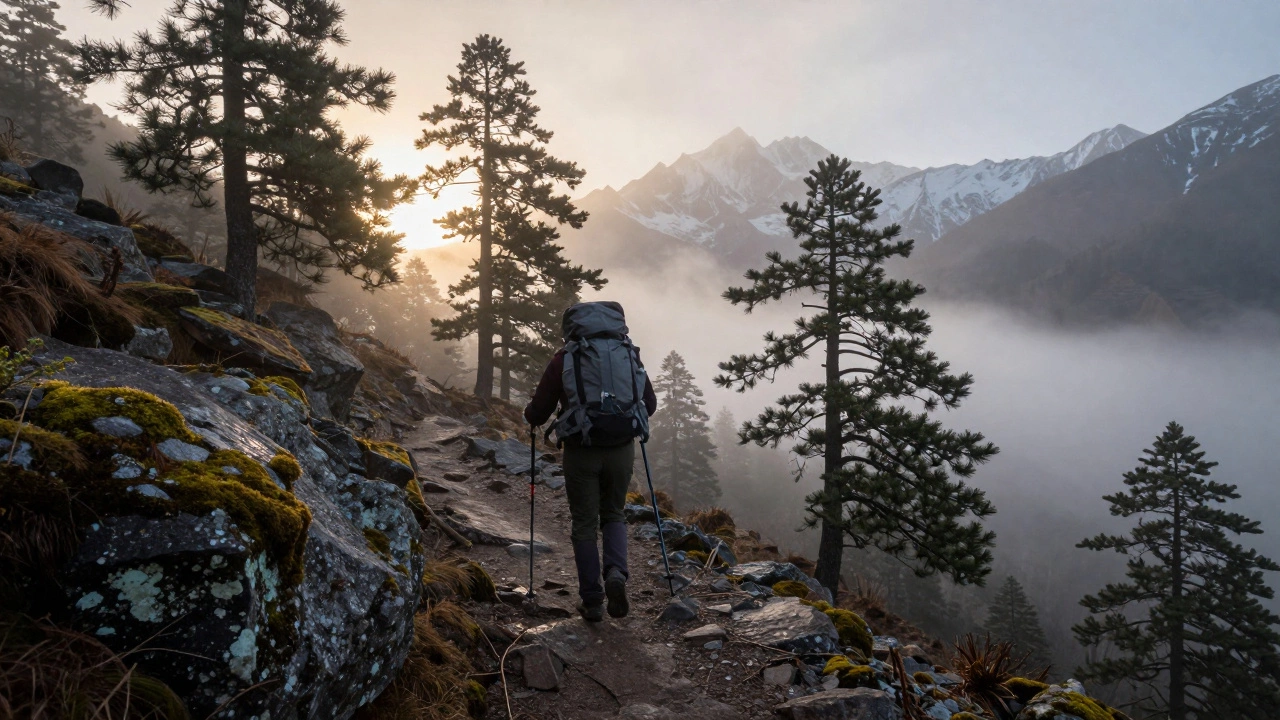
Ever stood at the bottom of a mountain trail, backpack on, and wondered if all that climbing is really worth it? If you’re asking whether trekking is good for health, the answer isn’t just yes-it’s overwhelmingly, scientifically yes. But not in the way you might think. It’s not about burning calories or building abs. It’s about how walking uphill for hours, breathing thin air, and sleeping under stars quietly rewires your body and mind for the better.
Your heart doesn’t just work harder-it gets smarter
When you trek, your heart doesn’t race like it does in a spin class. It steadies into a rhythm that lasts for hours. This isn’t high-intensity training. It’s sustained, low-impact effort. And that’s exactly what your cardiovascular system needs. A 2023 study from the Indian Journal of Medical Research followed 450 regular trekkers in the Himalayas over two years. Those who trekked at least once a month showed a 22% improvement in resting heart rate and better blood pressure control compared to sedentary peers. Your heart learns to pump more efficiently. Less strain. More output. That’s longevity in action.
Stronger bones, no gym required
Most people think strength training means weights. But trekking-especially on uneven, rocky trails-is one of the best natural bone builders you can find. Every step on a steep slope forces your legs, hips, and spine to stabilize against gravity. That’s weight-bearing exercise, the kind doctors recommend to prevent osteoporosis. A 2024 study from the University of Delhi tracked 300 women over 50 who trekked monthly. After one year, their bone density in the hips increased by 3.8%, even without supplements or gym visits. No pills. No machines. Just walking.
Mental clarity that lasts longer than caffeine
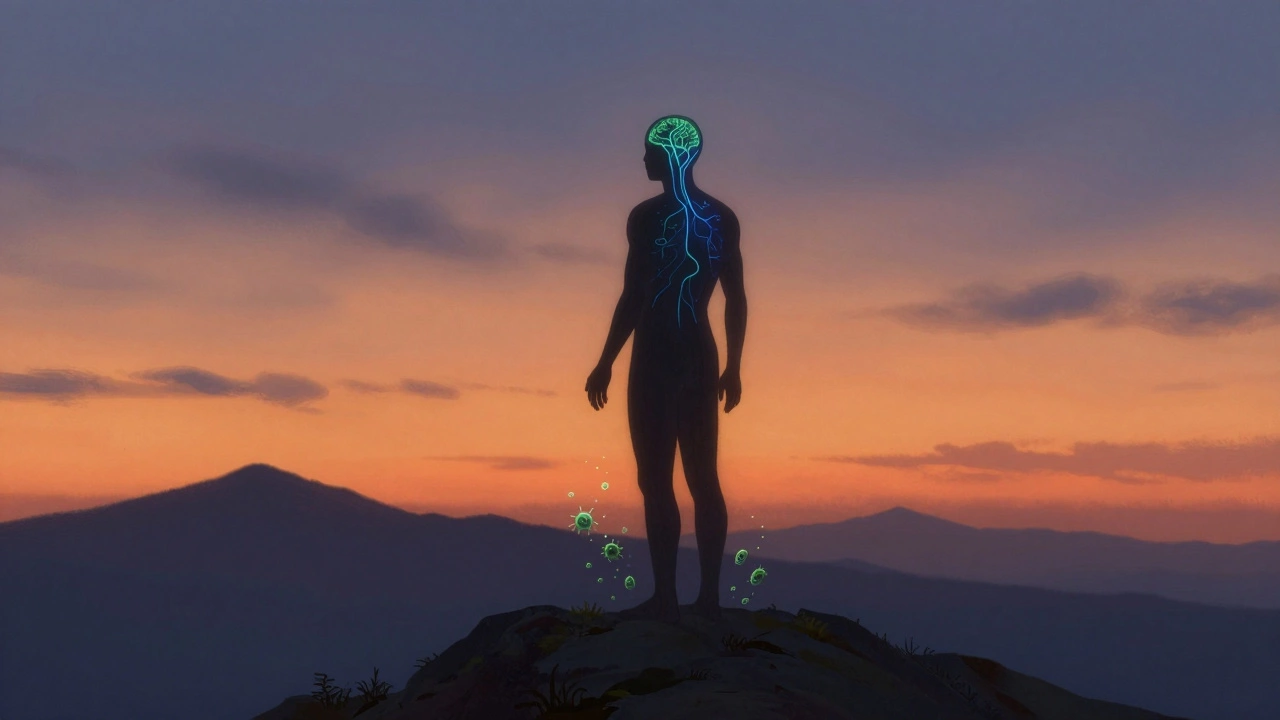
Think about the last time you came down from a mountain after a long trek. That quiet mind. That calm focus. That’s not just relief from exhaustion. It’s neurochemistry. Trekking reduces cortisol-the stress hormone-by up to 40% in just three days, according to research from the National Institute of Mental Health and Neurosciences in Bengaluru. Being surrounded by trees, mountains, and silence triggers your parasympathetic nervous system. That’s your body’s rest-and-repair mode. People who trek regularly report better sleep, fewer anxiety spikes, and improved concentration at work. It’s not a spa day. It’s a reset button for your brain.
Immunity gets a real upgrade
Forget expensive supplements. The best way to boost your immune system might be a weekend in the hills. Exposure to diverse natural environments-soil microbes, plant pollen, clean air-trains your immune system to respond more effectively. A 2025 study from the Indian Institute of Science found that trekkers had 18% higher levels of natural killer cells, a type of white blood cell that fights viruses and tumors. This effect lasted for weeks after returning home. The more you trek, the less often you catch colds. Simple. No magic pills. Just dirt, air, and movement.
It fixes bad posture-without a single exercise
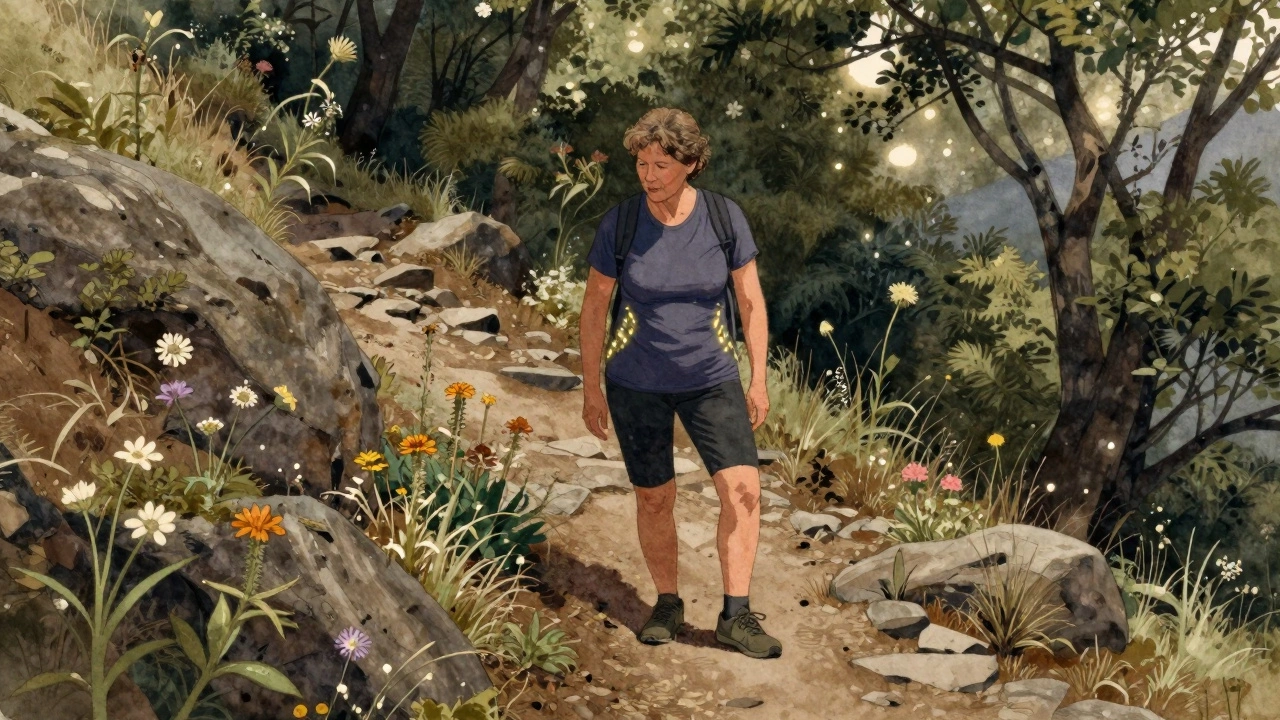
Most people sit all day. Hunched over desks. Staring at screens. That’s not just uncomfortable-it’s damaging. Trekking forces your body to realign. Your shoulders roll back to balance your pack. Your core tightens to stabilize on slopes. Your neck lifts to watch the trail ahead. Over time, your muscles remember this upright posture. You start sitting straighter at your desk. Standing taller in line. Walking with more confidence. You don’t need a physiotherapist. You just need to walk uphill.
Weight loss? It’s not about the scale
Trekking won’t make you lose 10 pounds in a week. But it helps you lose fat the right way-slowly, steadily, and without hunger. A 5-day trek in the Western Ghats burns between 2,500 and 4,000 calories per day, depending on terrain and pack weight. That’s more than most people burn in a week at the gym. But here’s the real trick: trekking reduces cravings. Studies show people who spend time in nature eat fewer processed foods and sugar afterward. Your body starts preferring real food. You stop eating to cope. You eat to fuel. That’s sustainable change.
It connects you to your body again
We live in a world of notifications, alarms, and digital noise. Trekking strips that away. When you’re climbing a steep ridge, you don’t think about emails. You think about your breath. Your feet. The next rock. Your muscles. Your heartbeat. That mindfulness isn’t a trend. It’s survival. And when you return, you notice things you missed before-the way sunlight hits a tree, the sound of wind, the quiet of your own thoughts. That awareness doesn’t vanish. It lingers. And that’s the quietest, most powerful health benefit of all.
Who shouldn’t trek?
It’s not for everyone. If you have uncontrolled heart disease, severe asthma, or recent joint surgery, talk to your doctor first. Beginners should start with easy trails-like Nag Tibba or Kuari Pass-before tackling high-altitude routes. Don’t rush. Carry water. Wear proper shoes. Listen to your body. Trekking isn’t a race. It’s a conversation with your body, one step at a time.
Where to start in India
You don’t need to climb Everest to get the benefits. The Himalayas offer trails for every level. For beginners: Valley of Flowers (Uttarakhand) or Dodital (Himachal). For moderate trekkers: Kedarkantha or Dayara Bugyal. If you’re ready for more: Roopkund or Hampta Pass. Even the Western Ghats in Karnataka or Maharashtra have forest trails that give you all the health perks without the altitude. Pick one. Pack light. Go slow. Your body will thank you.
Is trekking better than going to the gym for fitness?
It’s not better-it’s different. The gym builds muscle and strength through resistance. Trekking builds endurance, balance, and cardiovascular health through sustained movement over terrain. It also improves mental health and immunity in ways a treadmill can’t. For full-body health, combine both: gym on weekdays, trek on weekends.
Can trekking help with back pain?
Yes, if done correctly. Trekking strengthens your core and improves posture, which reduces strain on your spine. But avoid steep climbs with a heavy pack if you have acute disc issues. Start with flat, forest trails. Use trekking poles to take pressure off your lower back. Many people with chronic back pain report less discomfort after regular trekking over 3-6 months.
How often should I trek to see health benefits?
Once a month is enough to notice small improvements. For stronger results-better heart health, lower stress, improved sleep-aim for once every two weeks. Even a 4-6 hour hike on a weekend can make a difference. Consistency matters more than intensity.
Does altitude make trekking more beneficial?
Higher altitude increases heart and lung demand, which can improve oxygen efficiency. But it also raises risks like altitude sickness. You don’t need to go above 3,000 meters to get major health benefits. Many trails under 2,500 meters offer the same physical and mental rewards without the danger. Start low, go slow.
What gear do I really need to start trekking?
You don’t need expensive gear. A good pair of hiking shoes with grip, a light backpack, a water bottle, and weather-appropriate clothing are enough. Trekking poles help with balance and reduce knee strain. A basic first-aid kit and a whistle are smart. Skip the branded gear-focus on comfort and function. Your body doesn’t care about logos.
Next steps
If you’ve been thinking about trekking but haven’t started, pick one trail near you. Look up a beginner-friendly route in the Himalayas or Western Ghats. Plan a weekend. Pack your bag. Wake up early. Walk slowly. Don’t worry about speed or distance. Just move. Your heart, your bones, your mind-they’ve been waiting for you to show up.