Best Month to Visit India: When to Go for Weather, Crowds, and Deals
When you’re planning a trip to India, a country with extreme seasonal shifts, from freezing mountain peaks to humid tropical coasts. It’s not just about picking a month—it’s about matching your travel style to the rhythm of the land. There’s no single ‘best’ time for everyone, but if you want clear skies, comfortable temperatures, and fewer crowds, October to March is the sweet spot across most of the country.
This window covers the post-monsoon season, when the rains have cleared and the air feels fresh, and the winter months, when northern India cools down but stays sunny. In places like Delhi, Agra, and Jaipur, you’ll escape the 45°C heat of summer and the sticky damp of July. In Rajasthan, the desert nights turn crisp, perfect for camel safaris and palace stays. Meanwhile, Goa’s beaches lose their party noise and gain back their sand, while Kerala’s backwaters glow under calm skies.
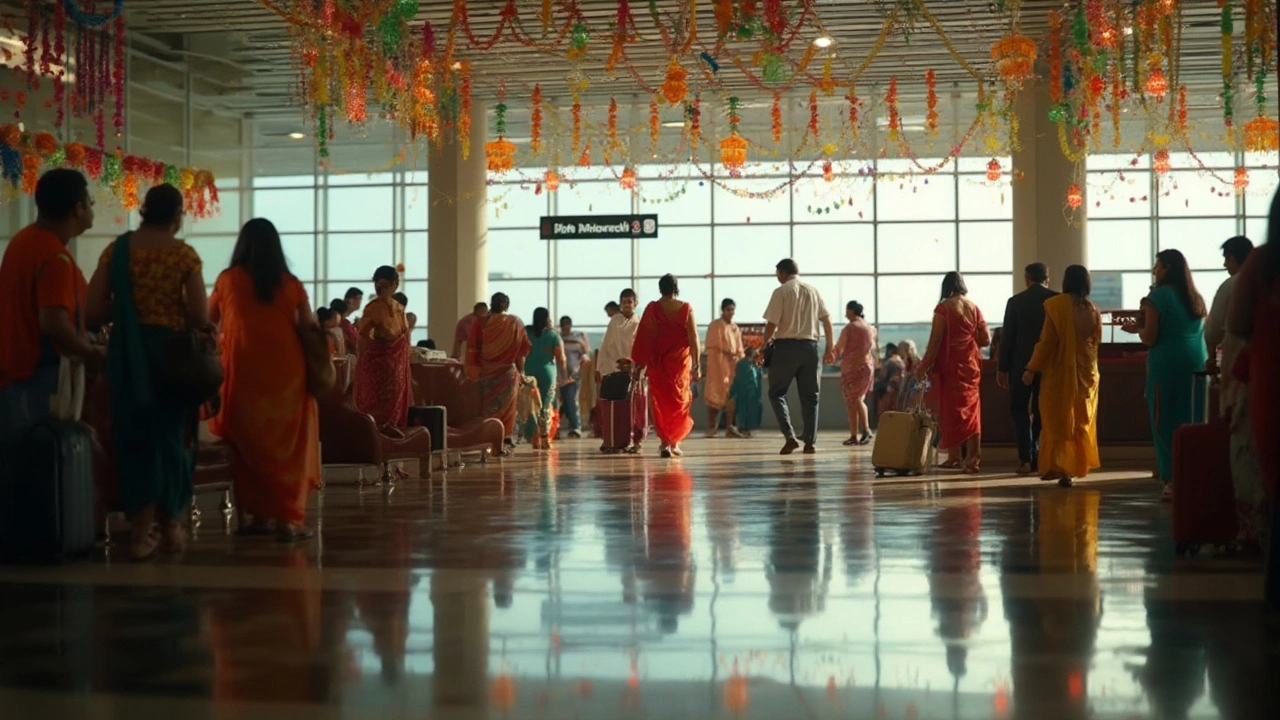
But India isn’t one place. If you’re chasing snow in Ladakh or Himachal, you’ll want to go between May and June—before the monsoon locks the high passes. If you’re after festivals, Diwali in October or Holi in March turn cities into color explosions. And if you’re a budget traveler, April and September can offer great deals, even if the heat or rain isn’t ideal. The Palace on Wheels, India’s most luxurious train, runs from October to March because that’s when the weather lets it roll smoothly through Rajasthan’s royal cities.
You’ll find that the best month to visit India depends on what you’re looking for: peace, adventure, culture, or just a good deal. The posts below break down real travel experiences—from how much 500 rupees can buy in a small town, to why foreigners pick quiet beaches in Goa over the busy ones, to whether the Golden Triangle is still worth it in 2025. You’ll see what works, what doesn’t, and when to go so you don’t end up sweating through a temple tour or stuck in a monsoon flood.