Cultural Diversity India: More Than Just a Phrase
When you think of cultural diversity India, the coexistence of hundreds of languages, religions, and traditions across one nation. Also known as India’s pluralistic identity, it’s not just about temples and turbans—it’s about a grandmother in Kerala singing a 500-year-old folk song while a teenager in Punjab drops beats on a dhol. This isn’t some textbook concept. It’s what happens when you walk into a market in Varanasi and hear Hindi, Bhojpuri, and Urdu mixed with the call to prayer, then sip chai next to someone from Nagaland who speaks a language no one else in the country understands.
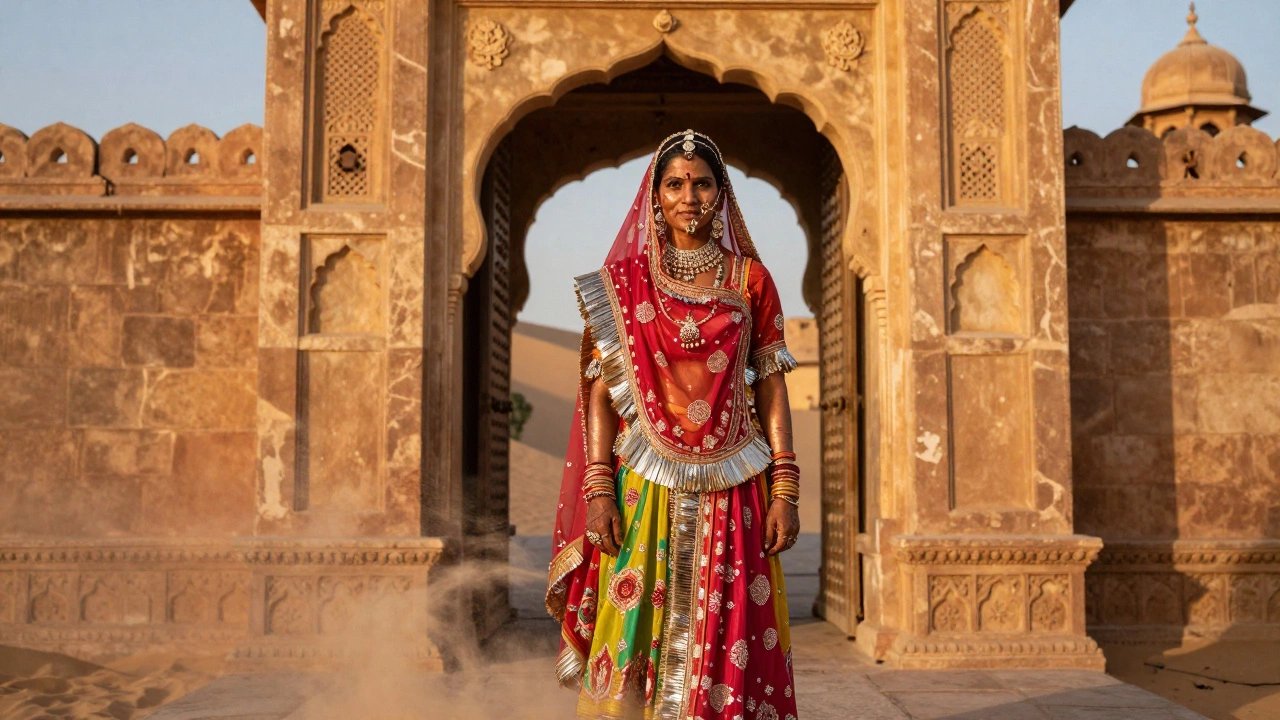
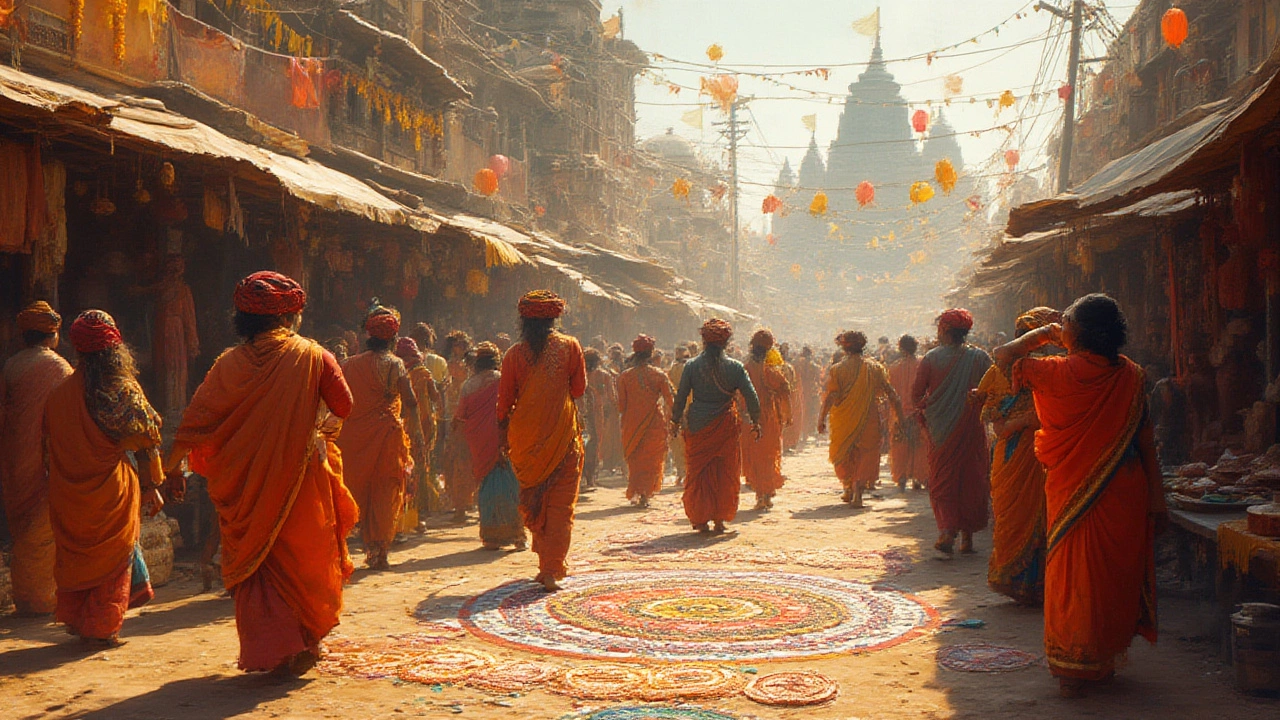
That same diversity shows up in how people celebrate. In the north, Holi explodes in color and music. In the south, Pongal is about rice, cows, and thanksgiving. In the east, Durga Puja turns streets into open-air theaters. In the west, Navratri means nine nights of dance, not just prayer. And none of these are just tourist shows—they’re lived, breathed, passed down. You’ll find this in the way a family in Rajasthan serves dal baati churma on a clay plate, or how a tribal community in Odisha weaves stories into their textiles. It’s not about what’s on display—it’s about what’s alive.
And it’s not just the big stuff. It’s in the food. A single spice like asafoetida shows up in Punjabi curries, Tamil sambar, and Gujarati snacks—but used differently in each. One region eats with hands, another with spoons. One wears silk saris every Sunday, another wears cotton dhotis to temple. This isn’t random. It’s history, geography, climate, and belief woven into daily life. The Palace on Wheels doesn’t just take you through Rajasthan—it lets you taste the difference between Mughlai and Marwari cuisine in one meal. A trip to Rishikesh isn’t just about yoga—it’s about how a 5,000-year-old practice still lives in the hills, not just in studios.
You won’t find this kind of layered culture anywhere else. Not in one country. Not in one lifetime. And that’s why the posts below don’t just list places—they show you how culture moves through India: in temple tears, in beachside quiet, in heritage homes still lived in by descendants of kings, in how a 500-rupee day can buy you a meal, a ride, and a conversation with someone whose life is completely different from yours. This is the real India—not the postcard version. It’s messy, loud, beautiful, and deeply human. And you’ll find it in every story here.