Currency Exchange India: Where to Get Best Rates and Avoid Scams
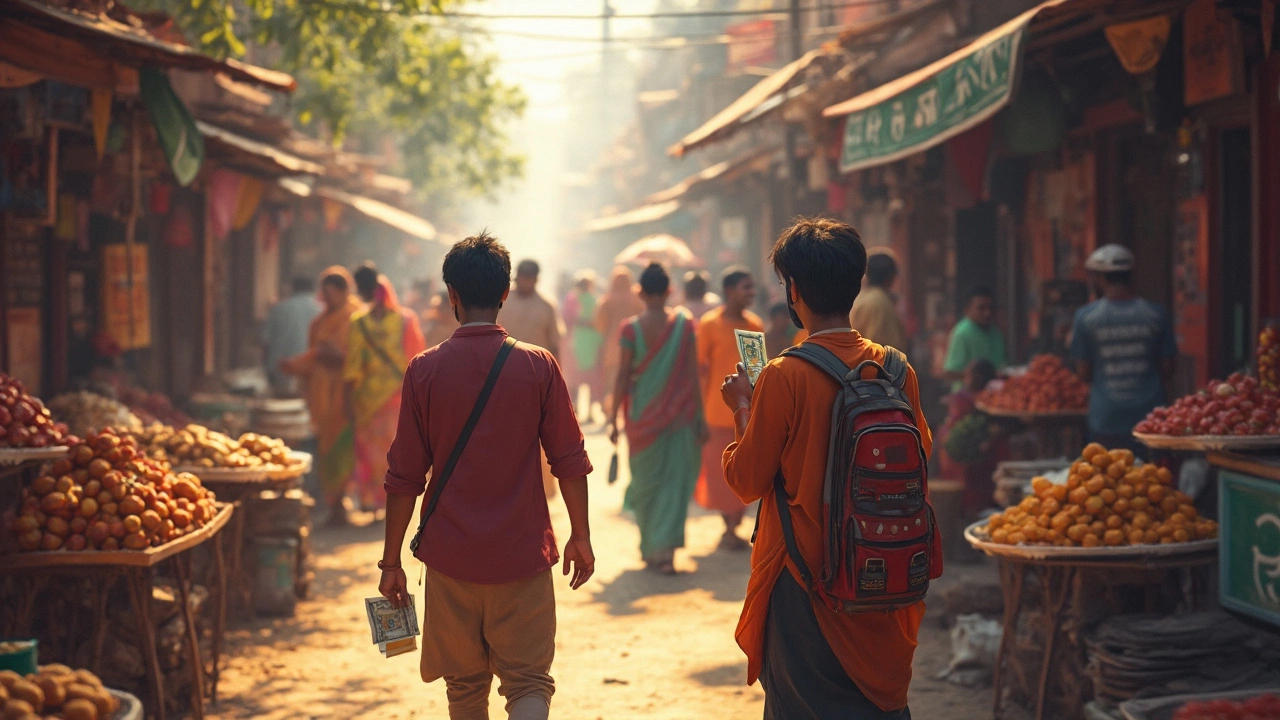
When you’re traveling in India, currency exchange India, the process of swapping foreign money for Indian rupees. Also known as foreign exchange in India, it’s one of the first things you’ll do after landing—and one of the easiest ways to get overcharged if you don’t know where to go. The Indian rupee isn’t freely convertible, so you can’t just pull cash from any ATM abroad and expect smooth sailing. You need to know where to swap, when to use cards, and which places will give you real value—not tourist traps.
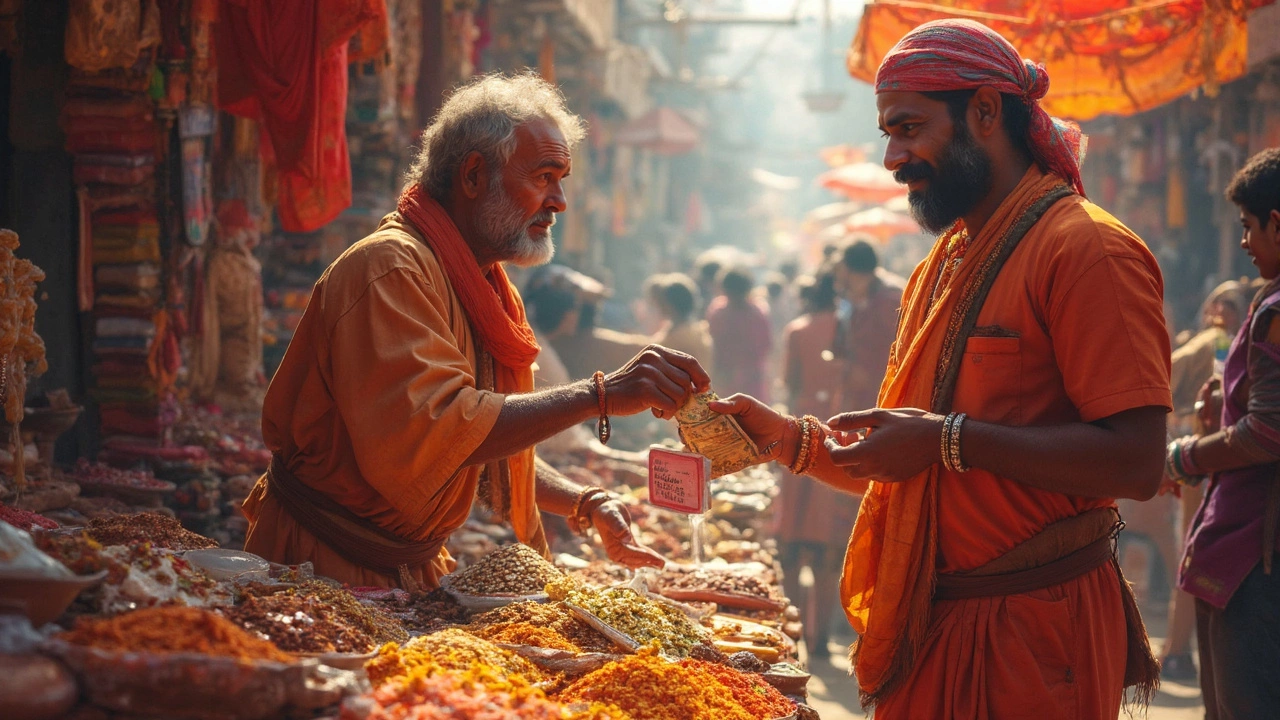
Most travelers make the mistake of exchanging money at the airport. Yes, it’s convenient, but the rates there are usually 10-15% worse than what you’ll get in the city. Banks like State Bank of India or HDFC offer fair rates, but you’ll need your passport and sometimes a proof of flight. Better yet, use authorized money changers in busy areas like Connaught Place in Delhi or Colaba Causeway in Mumbai. They’re regulated, display live rates, and often have no commission. Avoid street vendors—even if they say they’re "official"—because fake notes and rigged scales are real risks. And while you’re at it, always count your cash before you walk away.
ATMs are your best friend in India. Most accept international cards like Visa or Mastercard, and they give you the real interbank rate—no hidden fees from the exchange booth. Just watch out for withdrawal limits and local ATM fees. Some smaller towns might not have ATMs, so carry a little extra cash. Also, never carry large sums in one place. Split your money: keep some in your hotel safe, some in your wallet, and a backup in a hidden pocket. Credit cards work well in hotels and big restaurants, but for street food, rickshaws, or temple donations, you’ll need rupees. And remember: no one in India expects you to tip in dollars. Always pay in local currency.
You’ll find posts here that break down exactly how much 500 rupees can buy, where the most trusted exchange spots are in Goa and Jaipur, and why carrying a mix of cash and cards saves you stress. Some travelers think they need to exchange everything upfront. They don’t. You’ll learn how to stretch your budget, avoid common scams, and use ATMs like a local. Whether you’re on a two-day trip to the Golden Triangle or a month-long journey through South India, handling money right makes the whole experience smoother—and cheaper.