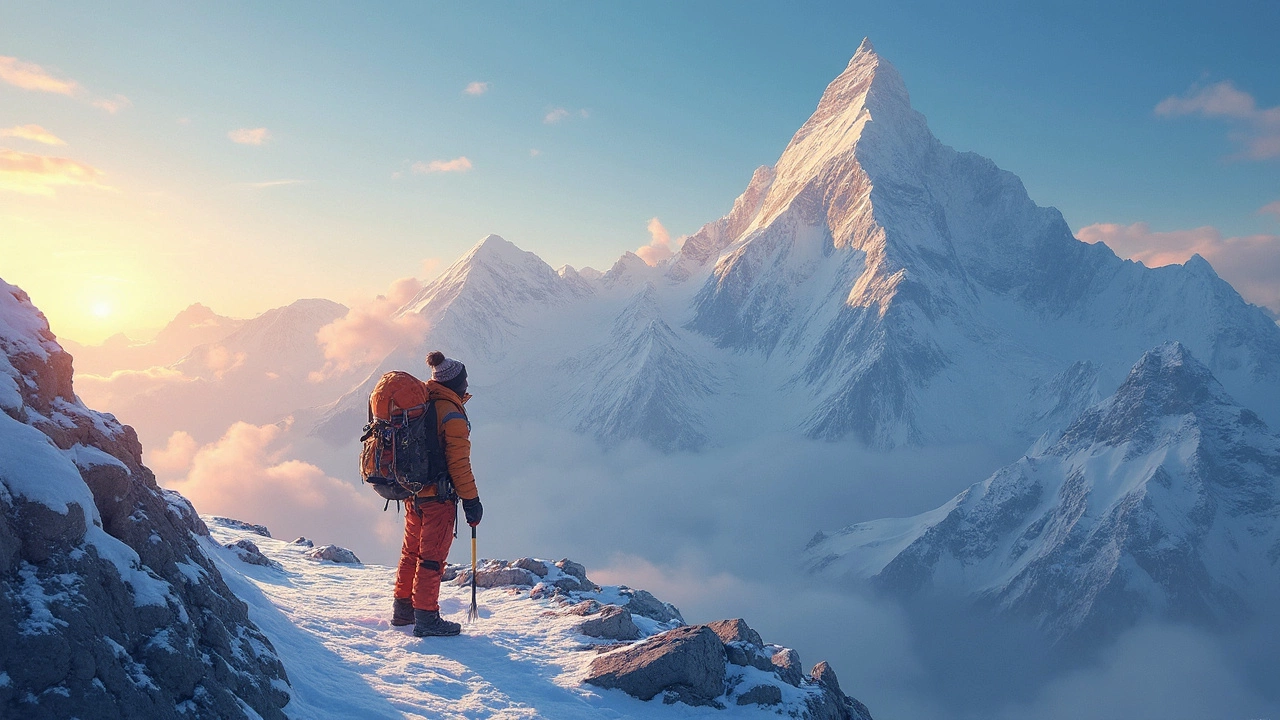
Deadly Climbs: Dangerous Mountains and Risky Adventures in India
When people talk about deadly climbs, mountain ascents that have claimed lives due to extreme conditions, poor planning, or natural hazards, they often think of Everest or K2. But India has its own share of treacherous routes—places where the thin air, sudden weather shifts, and remote terrain turn a hike into a survival test. These aren’t just difficult trails; they’re environments that demand respect, preparation, and sometimes, the wisdom to turn back.
high altitude dangers, physiological risks like altitude sickness, frostbite, and pulmonary edema that strike without warning at elevations above 3,000 meters are real here. In the Himalayas, climbers have died on routes like Kedarnath Dome and the Roopkund trek not because they lacked skill, but because they underestimated how fast conditions change. Even experienced trekkers have been caught in snowstorms on the Valley of Flowers approach or collapsed from exhaustion on the Stok Kangri summit. The adventure sports India, growing industry of guided treks, paragliding, and river rafting that draws both locals and foreigners to extreme environments has made these areas more accessible—but not safer if you skip the basics.
What makes these climbs deadly isn’t just the height. It’s the lack of medical support, unreliable weather forecasts, and the false confidence that comes from social media posts showing perfect sunrises from cliff edges. People think they’re just hiking, but they’re entering zones where rescue teams take hours to reach you—and sometimes, never make it in time. You won’t find warning signs at the trailhead. No one hands out oxygen tanks at the base camp. The responsibility falls on you.
That’s why the posts in this collection matter. They don’t just list beautiful places—they reveal the hidden costs of adventure. From the quiet dangers of lone treks in Ladakh to the overlooked risks of popular trails like Nag Tibba, you’ll find real stories from people who made it back—and those who didn’t. You’ll learn what gear actually saves lives, which months are safest, and why some climbs should stay on your bucket list, not your itinerary. This isn’t about fear. It’s about knowing when to step forward, and when to step away.