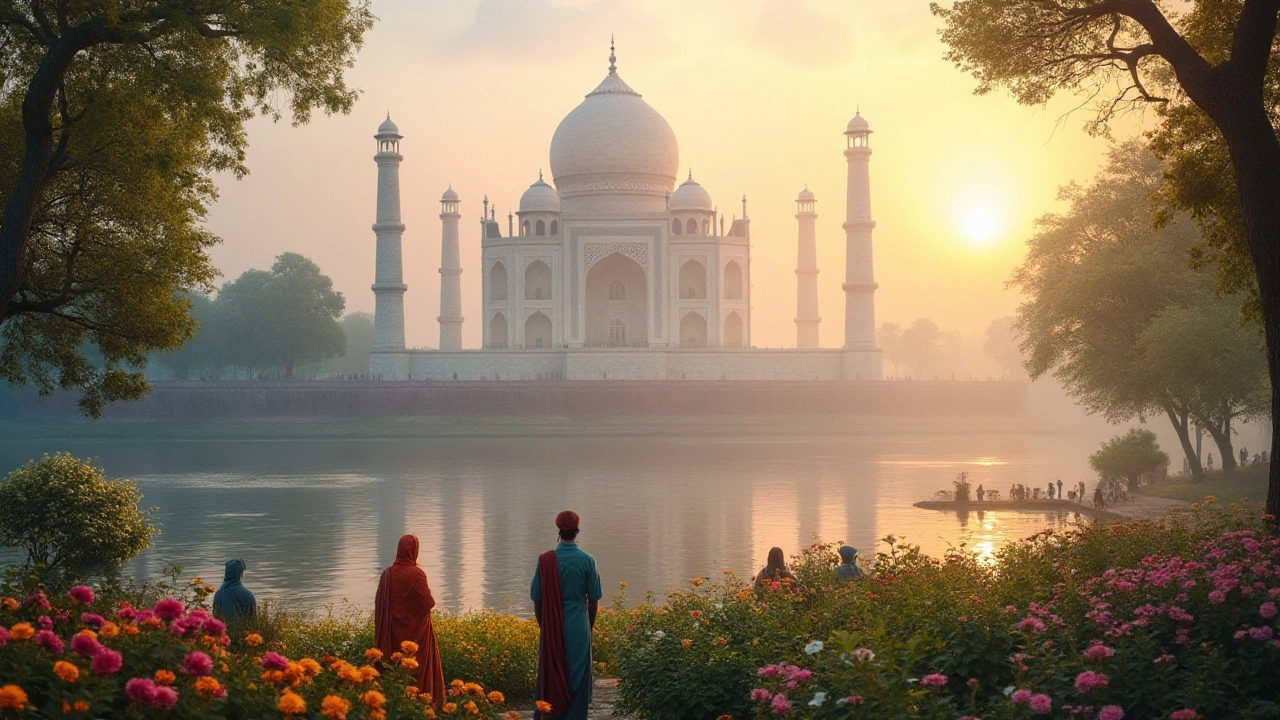
Indian Architecture: Discover the Heritage, Styles, and Hidden Gems
When you think of Indian architecture, the layered, living tradition of building styles that span thousands of years, from Indus Valley ruins to royal palaces and modern temples. Also known as Hindu-Muslim architectural synthesis, it’s not just about stone and mortar—it’s about belief, power, and daily life carved into every dome and arch. This isn’t museum art. It’s the backdrop to your morning chai in Jaipur, the shadow you walk through in Agra’s bazaars, and the silent grandeur of a palace train gliding past forts built centuries ago.
Indian architecture doesn’t live in textbooks. It’s in the heritage homes, century-old mansions still lived in by India’s elite, where courtyards echo with family rituals and carved wood still holds the scent of incense. It’s in the Palace on Wheels, a luxury train that rolls through Rajasthan like a moving palace, letting you sleep where kings once held court. And it’s in the Golden Triangle, the classic Delhi-Agra-Jaipur loop where Mughal domes, Rajput forts, and Mughal gardens collide in a single journey. These aren’t just tourist spots—they’re the living proof that Indian architecture still moves, breathes, and shapes how people experience the country.
Some think Indian architecture is just about temples and turrets. But look closer: it’s the way light falls through jharokhas in Udaipur, the math behind the acoustics in a temple hall, the hidden courtyards designed to keep homes cool without electricity. It’s why a 500-rupee meal in a heritage haveli feels richer than a five-star dinner elsewhere. It’s why foreigners return to Goa not just for beaches, but for the Portuguese arches lining the backstreets. And it’s why the most beautiful woman in India isn’t on a billboard—she’s the one who still polishes the brass lamps in a 400-year-old temple, keeping the light alive.
What you’ll find here aren’t just photos of monuments. These are real stories—from the quiet pride of families who still live in Mughal-era homes, to the travelers who cried in a temple not from sadness, but because the stone itself seemed to speak. You’ll learn why the Golden Triangle still works, how luxury trains turned architecture into an experience, and why jeans don’t belong on a palace tour—but respect does. This isn’t a history lesson. It’s a guide to feeling India’s past in your bones.