Indian coastline: Best beaches, islands, and travel tips
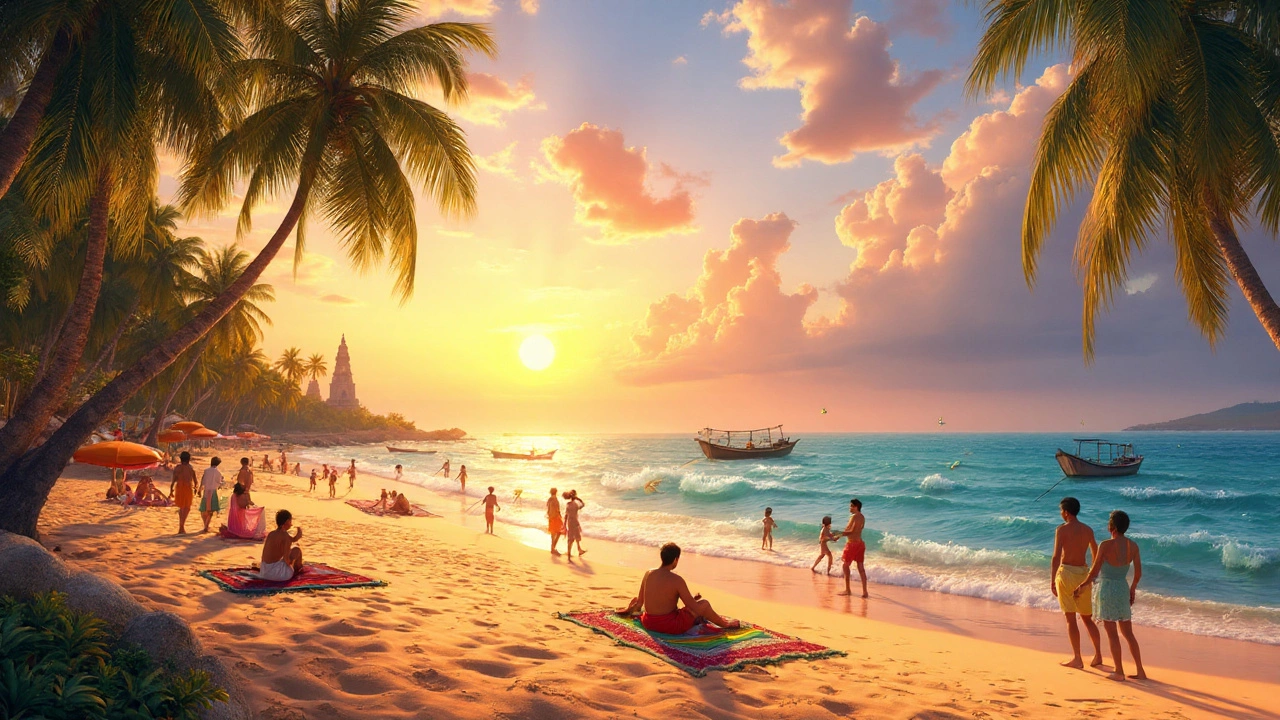
The Indian coastline, the 7,500-kilometer stretch of beaches, cliffs, and islands running from Gujarat to Kerala. Also known as India’s coastal belt, it’s not just a line on a map—it’s where millions of people live, fish, celebrate, and escape. This coastline is home to some of the most authentic beach experiences in Asia, far from the crowded resorts and into the rhythm of local life.
What makes the Indian coastline special isn’t just its length—it’s the variety. In the west, you’ve got Goa beaches, famous for their calm waters, clean sand, and quiet stretches like Palolem and Agonda, where Europeans and Australians come back year after year. On the east, the Andaman Islands, a chain of over 500 islands with turquoise water and coral reefs that rival the Maldives, offer diving, snorkeling, and solitude you won’t find anywhere else in India. And then there’s Lakshadweep islands, a lesser-known paradise with white-sand atolls and no cars, where the only noise is the tide. These aren’t just tourist spots—they’re living ecosystems shaped by generations of fishermen, farmers, and families who call them home.
Not all beaches are safe, though. That’s why travelers are starting to look for safe beaches India, those with Blue Flag certification, lifeguards, and clean water. Places like Radhanagar in Andaman and Kovalam in Kerala are now top picks for families and solo travelers who want to relax without worry. The coastline isn’t just about sunbathing—it’s about understanding where the water is calm, where the currents are predictable, and where the local community keeps things clean.
Whether you’re looking for a quiet sunrise on a deserted shore, a dive into coral gardens, or just a place to eat fresh fish straight off the boat, the Indian coastline has it. Below, you’ll find real stories from travelers who’ve been there—what worked, what didn’t, and which spots are still worth the trip in 2025.