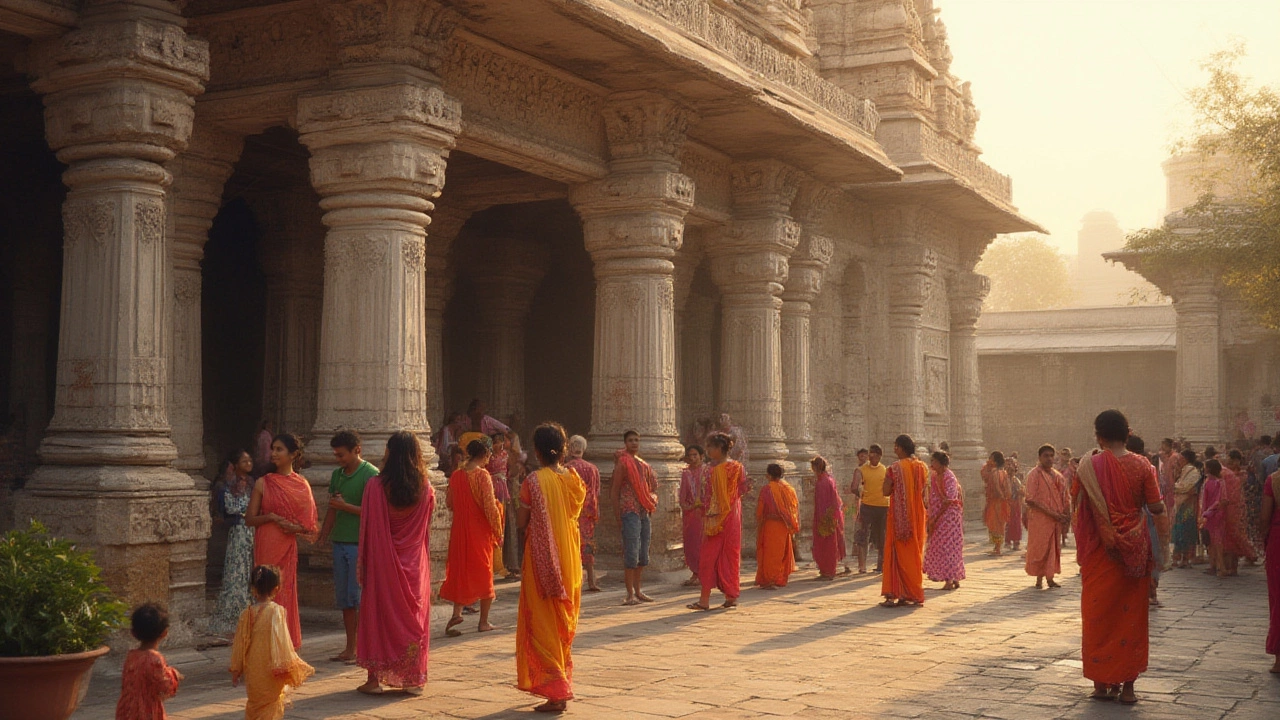
Indian Temple Rules: What You Need to Know Before You Visit
When you walk into an Indian temple, a sacred space where faith, tradition, and daily life blend seamlessly. Also known as mandir, it’s not just a building—it’s a living part of India’s spiritual fabric. Many visitors don’t realize that temple rules aren’t about restriction—they’re about respect. These aren’t arbitrary guidelines. They’ve been passed down for generations, shaped by climate, culture, and centuries of worship. Skip the rules, and you risk offending locals, missing the deeper meaning, or even being turned away at the door.
One of the most common misunderstandings is about dress code, how you cover your body when entering sacred spaces. Also known as temple attire, it’s not about fashion—it’s about modesty and purity. In most temples, bare shoulders and shorts are not allowed. Women often cover their heads, and everyone removes shoes before stepping inside. Why? Because the ground inside is considered holy. You wouldn’t walk into someone’s home with muddy feet. The same logic applies here. Even in hot weather, covering up isn’t optional—it’s part of the ritual. And yes, this applies to everyone, no matter your religion or nationality. Then there’s the footwear rule, the practice of leaving shoes outside temple entrances. Also known as shoe removal, it’s more than cleanliness—it’s symbolic. Your shoes carry the dust of the outside world. Leaving them behind means leaving your everyday self at the threshold. You’ll see racks lining every temple gate. Ignore them, and you’ll stand out for the wrong reasons.
Inside, silence isn’t just polite—it’s expected. Loud talking, phone calls, and flash photography are often banned. Some temples allow cameras, but only without flash. Why? Because temples are places of prayer, not photo ops. The smell of incense, the sound of bells, the glow of oil lamps—these aren’t decorations. They’re part of the experience. And if you see someone crying, don’t assume they’re sad. As one post in this collection explains, tears at Indian temples often come from deep emotional release, not grief. It’s a normal, even sacred, response to the atmosphere.
Food and drinks? Usually not allowed inside. Some temples offer prasad—blessed food—but you can’t bring your own snacks or bottled water. And never touch the idols or offerings unless invited. Even pointing at deities with your feet is considered disrespectful. The body’s lowest part shouldn’t face the divine. These aren’t outdated quirks. They’re still lived by millions every day.
What you’ll find below isn’t a list of dos and don’ts from a tourist brochure. These are real stories from people who’ve been turned away, confused, or moved to tears. You’ll read about the quiet rituals that surprise visitors, the hidden customs that protect sacred spaces, and the simple acts that make your visit meaningful—not just memorable. Whether you’re planning a weekend in Varanasi or a month across South India, knowing these rules isn’t about following orders—it’s about walking in with the right heart.