Indian Temples: Sacred Sites, Spiritual Experiences, and Cultural Heartbeats
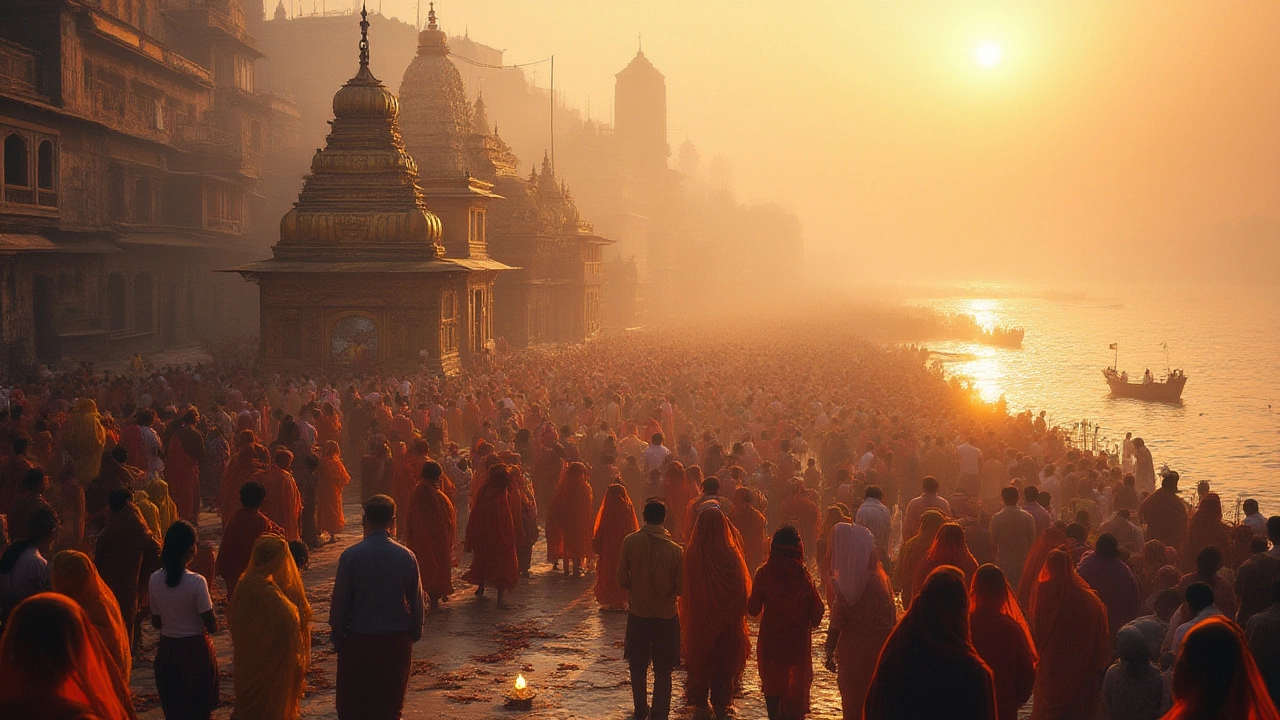
When you step into an Indian temple, a sacred structure rooted in ancient Vedic traditions, often serving as a bridge between the human and the divine. Also known as mandir, it’s not just a place to pray—it’s where music, scent, color, and silence come together in a way few other spaces on earth can match. These aren’t museums frozen in time. They’re alive—with priests chanting, bells ringing, devotees offering flowers, and children running through courtyards. In Varanasi, you’ll see pilgrims bathing at dawn. In Tamil Nadu, you’ll hear drums echoing through corridors carved a thousand years ago. In Rajasthan, you’ll find temples where the walls themselves tell stories through intricate carvings.
What makes temple architecture, a distinct style blending geometry, symbolism, and spiritual intent, with regional variations like Nagara in the north and Dravida in the south so powerful? It’s not just about towering spires or golden idols. It’s how every detail—from the shape of the roof to the placement of the sanctum—guides movement, focus, and emotion. The path to the inner shrine isn’t random; it’s designed to slowly peel away the noise of the outside world. You walk through halls lined with sculptures of gods and demons, past incense burners and oil lamps, until you reach a dark, quiet space where the main deity rests. That moment—when the light shifts, the air grows still, and the chant rises—is what makes people cry. Not because they’re sad. But because something deep inside them recognizes home.
Temple rituals, daily ceremonies performed by trained priests, often involving offerings of food, water, and light, synchronized with cosmic cycles are the heartbeat of these spaces. They’re not performances for tourists. They’re acts of devotion passed down for generations. The aarti with its flickering lamps, the ringing of the bell to announce your presence, the prasad you’re handed after prayer—each has meaning. And that’s why foreigners return again and again. It’s not the photo ops. It’s the feeling that, for a moment, time slows down and the world makes sense.
You’ll find Indian temples in mountain villages, on riverbanks, in bustling cities, and even tucked inside old forts. Some are grand, like the Tirupati Balaji temple that draws millions each year. Others are small, quiet, and known only to locals—like a hidden shrine in a Kerala backwater, where the only sound is the rustle of palm leaves. These places don’t need advertising. They draw people because they answer something we all carry inside: the need to connect, to wonder, to feel part of something bigger.
Below, you’ll find real stories from people who’ve stood in front of these temples—not as tourists, but as seekers. You’ll read about why tears come unbidden, how a single visit can change a life, and what it really means to walk through a temple door with an open heart. These aren’t travel tips. They’re glimpses into a world where faith isn’t something you believe in—it’s something you breathe.