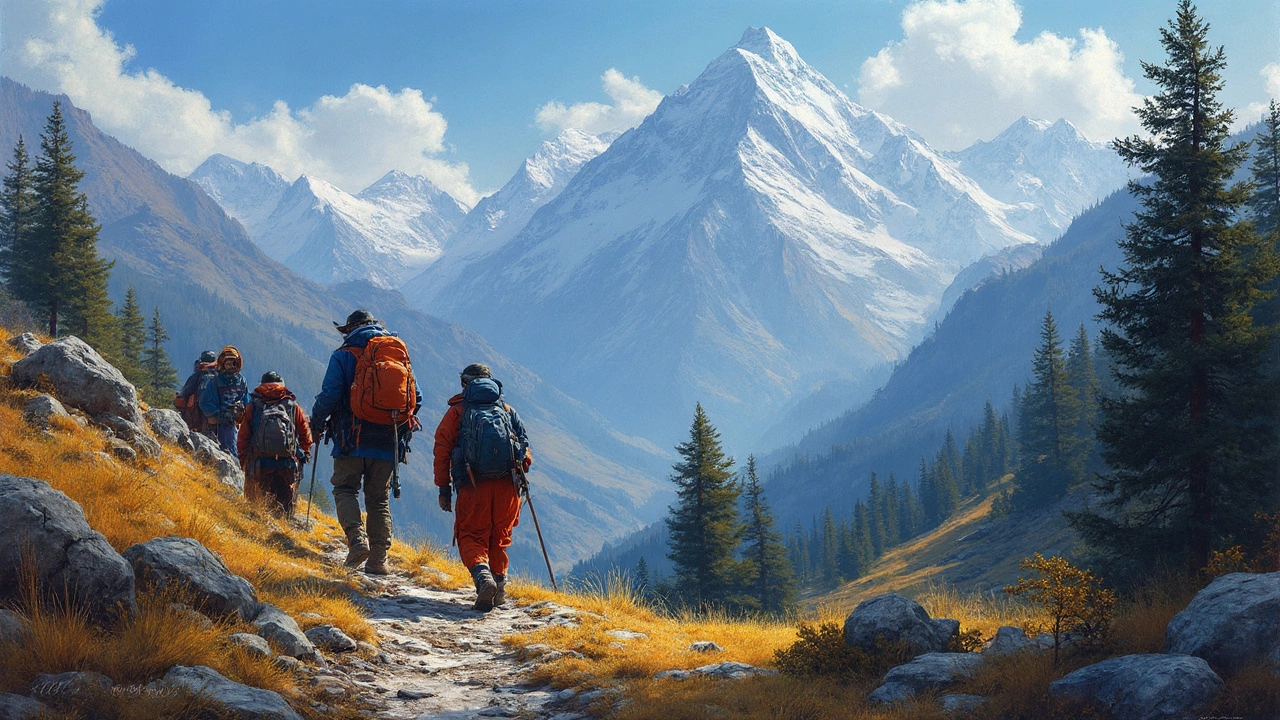
Indian treks: Best trails, gear, and tips for adventure in the Himalayas and beyond
When you think of Indian treks, long-distance walking journeys through India’s mountainous regions, often involving multi-day hikes with local guides and basic campsites. Also known as mountain treks, they’re not just exercise—they’re immersive experiences that connect you with remote villages, ancient temples, and skies so clear you can see the Milky Way. Unlike city walks or easy nature trails, Indian treks demand preparation, respect for altitude, and an openness to change. Whether you’re climbing to the base of Kanchenjunga or walking through the pine forests of Uttarakhand, these journeys are shaped by the land, the weather, and the people who live there.
Many of the best Himalayan treks, high-altitude walking routes in the northern mountain range, including popular paths like the Valley of Flowers and Roopkund start in places like Rishikesh or Manali. These aren’t just scenic walks—they’re physical tests that require stamina, proper gear, and acclimatization. You’ll find that local guides know the trails better than any app, and they often share stories about the spirits of the mountains or the history of the monasteries you pass. Then there’s adventure sports India, a growing category that includes trekking, river rafting, and paragliding, fueled by India’s dramatic terrain and local expertise. Trekking is the backbone of this scene. It’s not about speed or competition; it’s about endurance, presence, and learning to move with the rhythm of the hills.
You don’t need to be an elite athlete to start. Many treks, like the Nag Tibba trail or the Kudremukh loop in Karnataka, are perfect for beginners. What matters more than fitness is smart packing—layers for cold nights, good boots that are broken in, and a headlamp you actually know how to use. And yes, you’ll need to carry your own water filter or purification tablets. The streams look clean, but they’re not always safe. Most treks in India are run by small operators, not big tour companies, so you’ll get real, unfiltered advice from people who’ve done this for decades.
What makes Indian treks different from those in Nepal or Switzerland? The culture. You’ll share tea with shepherds who’ve never seen a foreigner. You’ll hear chants from a hidden monastery as the sun rises over a ridge. You’ll sleep under stars with no light pollution, and wake up to the smell of woodsmoke and chapati. These aren’t just hikes—they’re moments that stick with you long after your boots are back in the closet.
Below, you’ll find real stories from people who’ve walked these trails—what worked, what didn’t, and how to avoid the mistakes that turn a dream trip into a long, cold night on a mountain. Whether you’re planning your first trek or looking for the next big challenge, the posts here give you the honest, practical details you won’t find in glossy brochures.