Jyotirlinga: Sacred Shrines of Shiva in India
When you hear the word Jyotirlinga, a sacred lingam of light representing Lord Shiva in Hindu tradition. Also known as Jyotirlingams, these are not just temples—they’re believed to be places where Shiva appeared as a fiery column of light, infinite and unbounded. Unlike regular idols, Jyotirlingas are self-manifested, untouched by human hands, and considered the most powerful forms of Shiva in Hinduism.
There are exactly twelve Jyotirlingas scattered across India, each tied to a unique legend and location. From the snow-capped hills of Kedarnath, a high-altitude shrine in Uttarakhand where Shiva is worshipped as a natural ice lingam, to the coastal sands of Somnath, a temple on Gujarat’s western coast said to have been rebuilt seven times after destruction, each site carries its own weight of history and devotion. Then there’s Mahakaleshwar, in Ujjain, where the lingam faces south, a rare orientation believed to grant liberation. These aren’t tourist spots—they’re living centers of faith, where daily rituals have been performed for centuries without interruption.
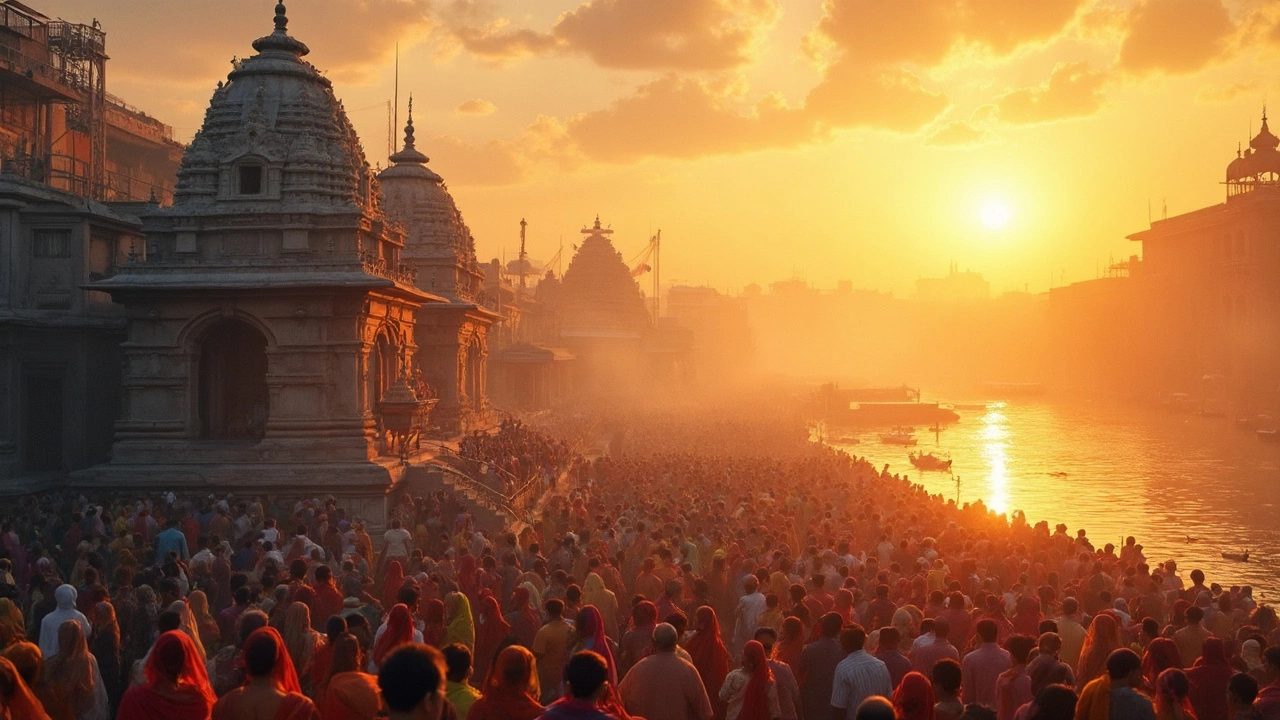
People travel thousands of miles just to touch the stone of one Jyotirlinga. Many believe visiting all twelve brings moksha—freedom from the cycle of birth and death. You’ll find pilgrims barefoot, carrying offerings, chanting mantras, and sometimes weeping without knowing why. That emotional pull? It’s not just religion. It’s culture, memory, and identity woven into stone and flame. The Jyotirlinga isn’t just a place to pray—it’s where India’s spiritual heartbeat is loudest.
Below, you’ll find real stories from travelers who’ve stood before these shrines—not as tourists, but as seekers. Some came for answers. Others came because their grandparents told them to. Every post here is a glimpse into what happens when ancient faith meets modern life.