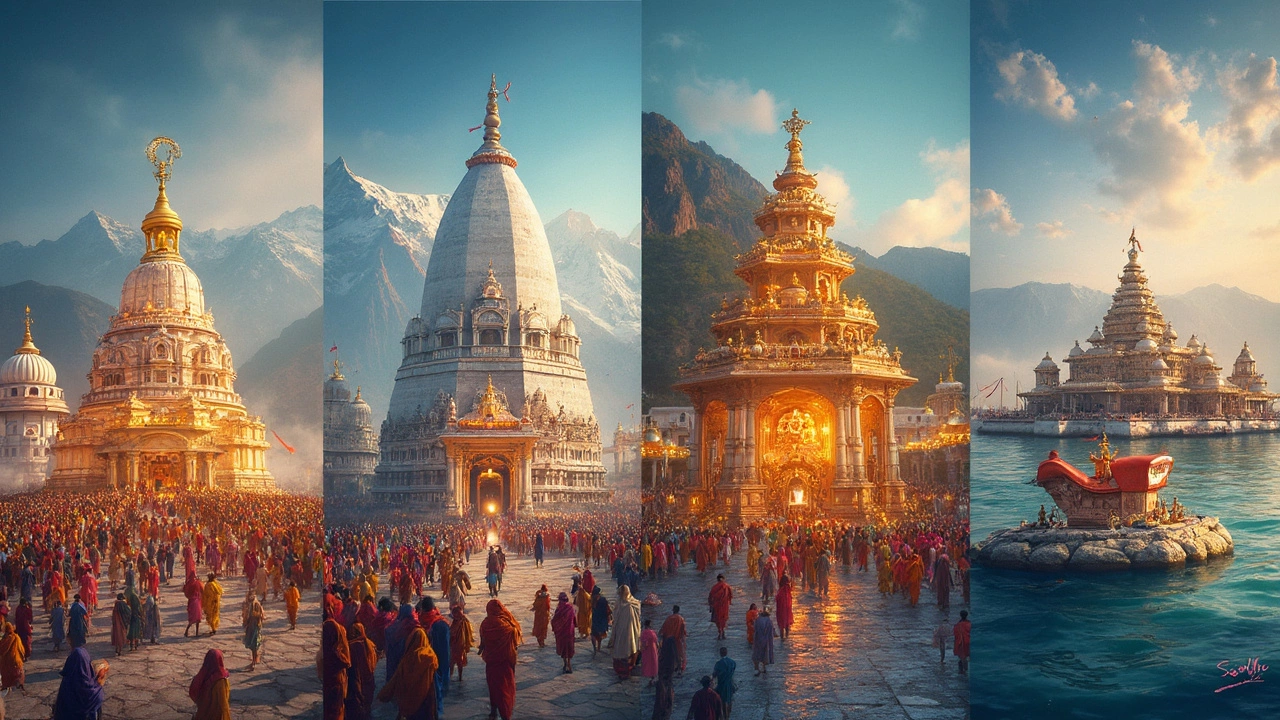
Kedarnath: Sacred Pilgrimage, Trekking Routes, and Spiritual Journeys in the Himalayas
When you hear Kedarnath, a revered Hindu temple dedicated to Lord Shiva, located high in the Garhwal Himalayas. Also known as Kedara Kshetra, it’s one of the twelve Jyotirlingas and the most important stop on the Char Dham pilgrimage. Thousands walk for days through rugged mountain trails just to touch its ancient stone walls. This isn’t just a temple—it’s a destination that tests faith, endurance, and devotion all at once.
The Char Dham pilgrimage, a sacred circuit of four holy sites in Uttarakhand: Yamunotri, Gangotri, Kedarnath, and Badrinath draws over half a million pilgrims every year. Kedarnath sits at the heart of it, perched at 3,583 meters, surrounded by snow-capped peaks that seem to hold their breath. The temple itself is believed to have been built by the Pandavas, and its architecture—thick walls, narrow entrance, and simple stone structure—has survived centuries of avalanches and harsh winters. Unlike most temples, it closes for six months each year when snow buries the path. Pilgrims time their visits carefully, often starting from Gaurikund, a 14-kilometer trek uphill that becomes a moving sea of saffron robes and chanting.
Many come for the spiritual pull, but others come for the silence. The air is thin, the silence is deep, and the mountains don’t care if you’re rich or poor. You’ll see elderly women with walking sticks, young men carrying heavy offerings, and families praying together under open skies. This isn’t a tourist spot—it’s a ritual. And while the Himalayan trekking, a demanding but rewarding outdoor activity that includes routes to Kedarnath, Valley of Flowers, and Hemkund Sahib has grown popular with adventure seekers, the path to Kedarnath remains deeply spiritual. Helicopter services now exist, but most still choose the walk. Why? Because the climb isn’t just about reaching the temple—it’s about leaving something behind.
What you’ll find in the posts below are real stories from people who made the journey. Some cried at the temple steps. Others got lost in the fog. A few came back changed. You’ll read about the best time to go, how to prepare for the altitude, what to pack, and why some pilgrims say Kedarnath doesn’t just welcome you—it chooses you. There’s no sugarcoating it: this trip is hard. But if you’ve ever wondered what true devotion looks like, this is where you’ll find it.