Kerala Weather: What to Expect, When to Go, and How to Pack
When you think of Kerala, a lush, coastal state in southern India known for its backwaters, spice plantations, and temple festivals. Also known as God's Own Country, it's a place where the weather doesn’t just affect your trip—it defines it. Unlike the dry heat of Rajasthan or the snowy winters of Himachal, Kerala’s climate is all about moisture, greenery, and rhythm. It doesn’t have four seasons. It has three: hot and humid, wet and wild, and cool and calm.
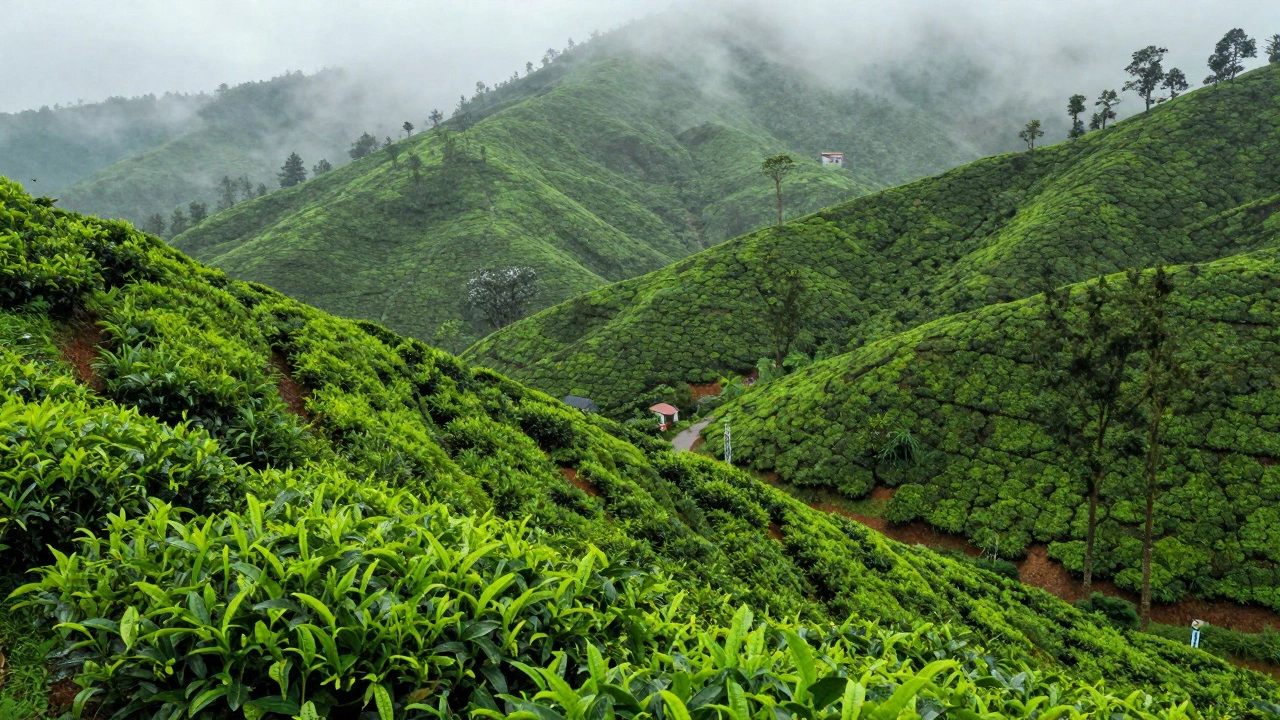
The monsoon, the heavy seasonal rain that drenches Kerala twice a year isn’t just weather—it’s a cultural event. The southwest monsoon hits in June and lasts until September, turning the landscape into a watercolor painting of emerald rice fields and swollen rivers. The northeast monsoon comes in October and November, bringing lighter but steady rain to the coast. If you’re planning a backwater cruise or a beach day, avoid these months unless you want to experience Kerala in full, soaking glory. The temperature, usually between 24°C and 33°C year-round rarely drops below 20°C, even in December. Humidity? Always there. You’ll feel it before you even step outside.
That’s why the best time to visit is between October and March. The rain has cleared, the air feels lighter, and the skies stay clear for long stretches. This is when the beaches of Kovalam and Varkala come alive with travelers, when the spice markets in Kochi smell richest, and when houseboat stays feel like a luxury, not a sauna. If you’re into Ayurveda or yoga retreats, this is also when the wellness centers are at their peak—quiet, clean, and cool enough to sit outside without sweating through your clothes.
But here’s the thing: Kerala isn’t just about avoiding rain. It’s about riding the rhythm. Locals don’t cancel plans when it rains—they adjust. Fishermen head out in the morning, even in monsoon. Tourists who come in July often find fewer crowds and lower prices. If you’re okay with a little dampness and don’t mind a sudden downpour during lunch, you might get a more real version of Kerala—one where the streets glisten, the air smells like wet earth, and the tea stalls are always full.
What you pack depends on when you come. In the dry season, light cottons, a sunhat, and waterproof sandals work fine. In the monsoon, bring a compact umbrella, quick-dry clothes, and a waterproof bag for your phone. No one needs a heavy jacket—Kerala doesn’t get cold. But you’ll thank yourself for a pair of slip-on shoes you can toss on after stepping out of a sudden shower.
And if you’re wondering why some posts here talk about Goa beaches or luxury trains—Kerala’s weather is the quiet backbone of all those trips. The Palace on Wheels runs through this region. The safest beaches in India? Some of them are in Kerala. The best island getaways? Lakshadweep is just off its coast. Everything connects back to the rhythm of the rain, the heat, and the calm that follows.
Below, you’ll find real stories from travelers who’ve been here in every season—what worked, what didn’t, and how they made the most of it. No fluff. Just what you need to know before you go.