Natural Heritage in India: Sacred Sites, Wild Spaces, and Living Traditions
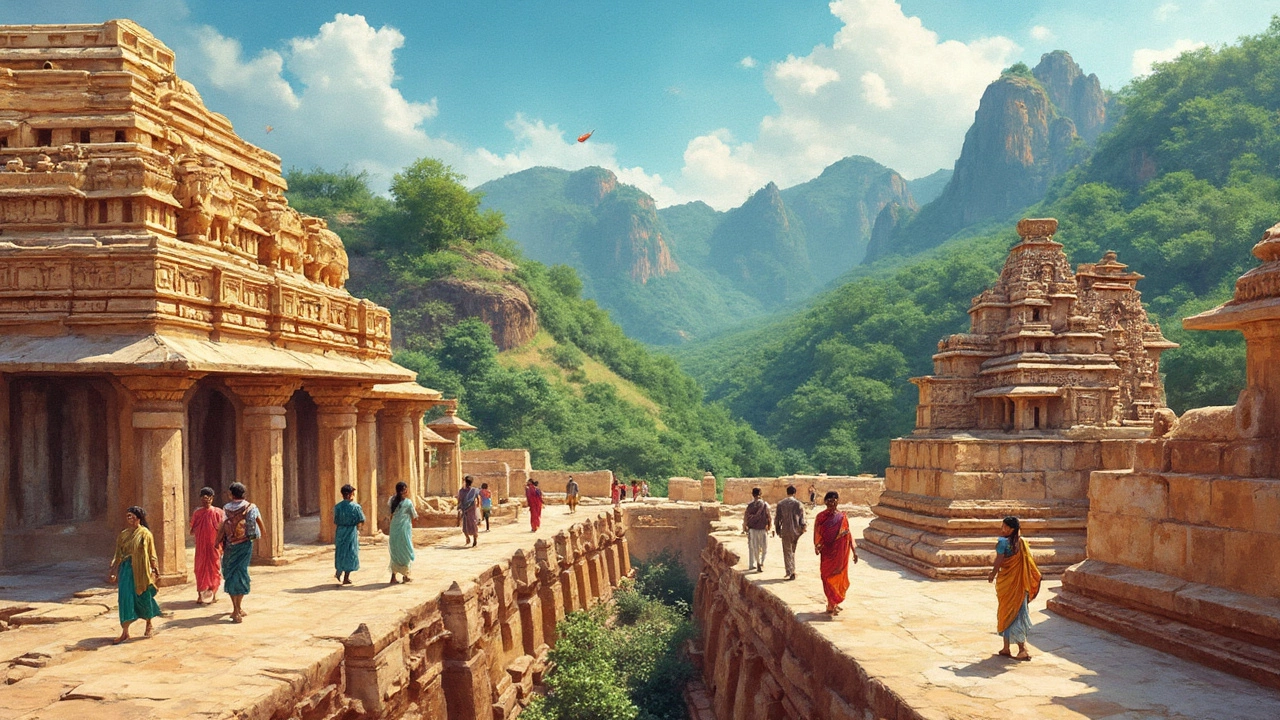
When we talk about natural heritage, the landscapes and ecosystems preserved through cultural, spiritual, and ecological practices over generations. Also known as cultural landscapes, it’s not just parks or protected areas—it’s the sacred groves near temples, the rivers worshipped as goddesses, and the forests guarded by tribal communities who’ve lived with them for centuries. This isn’t tourism brochure stuff. This is real, breathing history—where a banyan tree in a village square is as much a heritage site as the Taj Mahal.
India’s wildlife refuges, vast protected zones that shelter tigers, elephants, and migratory birds while respecting Indigenous land rights aren’t just conservation projects—they’re living cultural maps. The Sundarbans, for example, isn’t just mangroves and tigers; it’s home to fishermen who’ve coexisted with the royal Bengal tiger for generations, passing down navigation routes and taboos that keep both people and wildlife safe. Meanwhile, heritage homes, century-old palaces and ancestral estates that blend architecture with local ecology often sit beside natural springs, rainwater tanks, and native gardens—designs that worked before air conditioning ever existed.
And then there’s cultural tourism India, travel that connects people to places through rituals, food, and local stewardship. It’s not about ticking off monuments. It’s about sitting with a priest in Varanasi who knows which plants grow by the Ganges because they’re used in daily prayers. It’s about a village in Kerala that still harvests spices the way their ancestors did, because the soil remembers. These aren’t performances for visitors—they’re daily acts of preservation.
You won’t find this kind of heritage in a standard guidebook. It’s not marked with signs or ticket counters. It’s in the quiet corners: the moss-covered stones around a temple pond in Tamil Nadu, the way villagers in Rajasthan rotate grazing lands so the desert doesn’t die, the birds that return every winter to a lake nobody built but everyone protects. This is what makes India’s natural heritage different—it doesn’t exist separate from people. It’s woven into their lives, beliefs, and routines.
That’s why the posts below aren’t just travel tips. They’re clues. From the Palace on Wheels rolling through Rajasthan’s royal forests to the beaches foreigners choose because they’re untouched by mass tourism, each story reveals another thread in this living tapestry. You’ll read about how a two-day trip to Agra can connect you to more than just a monument—it can lead you to the farmers who grow the flowers used in Mughal-era gardens. You’ll see how Rishikesh isn’t just a yoga spot—it’s a river valley where ancient water rituals still shape daily life. And you’ll learn why the richest Indians don’t just live in mansions—they live where the land still speaks.