North India Seasons: When to Visit, What to Expect, and How to Plan
When you think of North India seasons, the changing climate across Delhi, Rajasthan, Uttar Pradesh, and the Himalayas that shapes travel experiences year-round. Also known as Northern Indian climate zones, it’s not just about hot and cold—it’s about timing your trip so you’re not sweating through a temple tour in May or freezing on a mountain trail in December. This region doesn’t have four simple seasons like some countries. It has three intense ones: scorching summer, unpredictable monsoon, and crisp winter—each with its own pros, cons, and hidden perks.
Summer in North India (April to June) hits hard. Temperatures in Delhi and Jaipur regularly climb past 45°C. That’s not just uncomfortable—it’s dangerous if you’re not prepared. But here’s the twist: this is when locals head to the hills. Places like Shimla, Manali, and Mussoorie turn into cool escapes, with clear skies and empty trails. If you’re planning a trek in the Himalayas, late spring (May) is actually the sweet spot—snowmelt feeds rivers for rafting, and the air is still crisp. Don’t let the heat scare you off if you know where to go.
The monsoon (July to September) brings heavy rain, especially to the foothills. Roads get muddy, some heritage sites close temporarily, and humidity sticks to your skin. But if you’ve ever wanted to see the Taj Mahal without crowds, or walk through the misty streets of Varanasi with just a few locals around, this is your chance. The greenery explodes, and the air smells fresh. Just pack waterproof gear and check road conditions before heading out. Meanwhile, the Himalayan weather, the extreme, fast-changing conditions in mountain regions like Uttarakhand and Himachal Pradesh that affect trekking and pilgrimage routes becomes more predictable after August, making it ideal for pilgrims heading to Kedarnath or Badrinath.
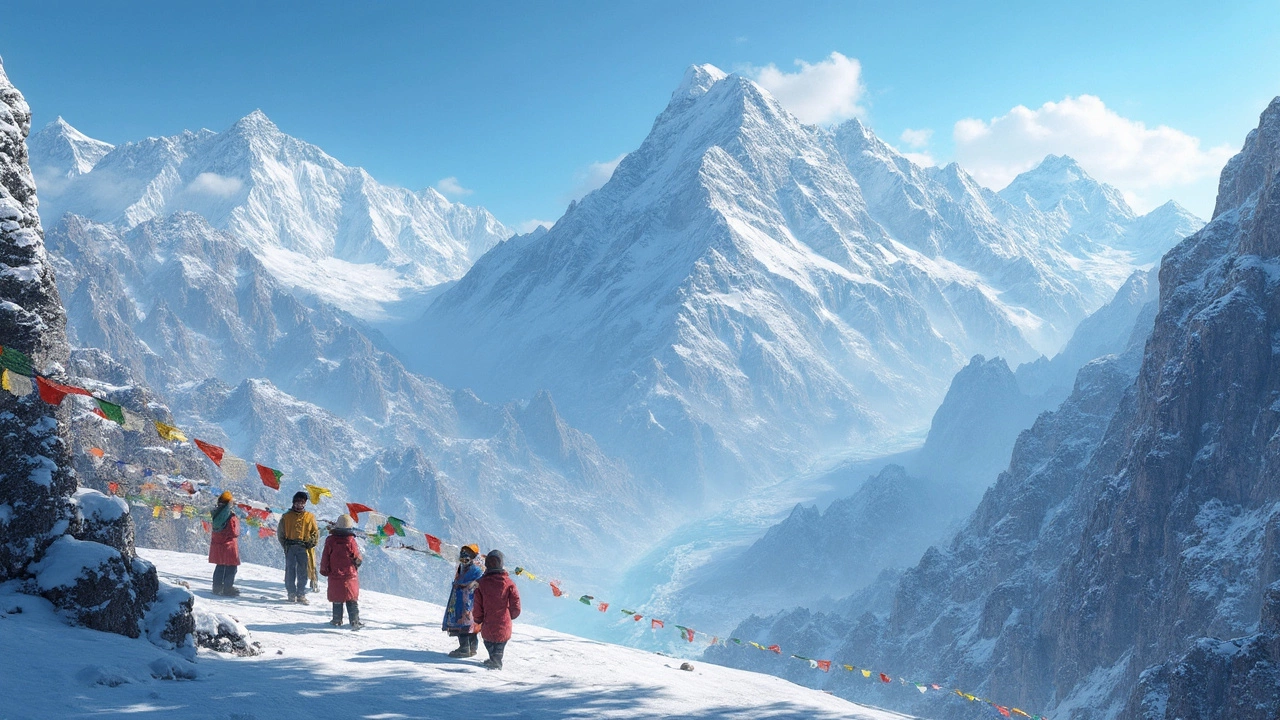
Winter (October to February) is when most tourists flock to North India. The days are sunny, the nights are chilly, and the air is clear—perfect for photography in Agra or exploring the forts of Rajasthan. It’s also festival season: Diwali in October, Holi in March, and the Pushkar Camel Fair in November. But don’t assume winter means mild weather everywhere. In Leh or Spiti, temperatures drop below freezing. If you’re planning a road trip to Ladakh, you’ll need to wait until May or June when the mountain passes open. The North India travel, the practice of navigating diverse climates, cultural events, and logistical challenges across northern states like Punjab, Haryana, and Jammu & Kashmir isn’t just about picking a month—it’s about matching your goals to the season.
What you pack matters as much as when you go. In winter, a light jacket won’t cut it in Agra at sunrise. In summer, cotton clothes and a hat are non-negotiable. And if you’re heading to the mountains, layers are your best friend. The India climate, the wide range of weather patterns across the country, from tropical coasts to arid deserts and alpine peaks, that make travel planning complex means one size doesn’t fit all. That’s why the posts below give you real, on-the-ground advice—from what to wear in Jaipur in December to why monsoon is the quietest time to visit Rishikesh.
You’ll find guides on budget trips during shoulder seasons, tips for avoiding crowds at the Golden Triangle, and even how to handle a sudden rainstorm in Varanasi. Whether you’re chasing festivals, seeking solitude, or just trying not to get sunburned, the right season turns a good trip into a great one. Let’s get you sorted.