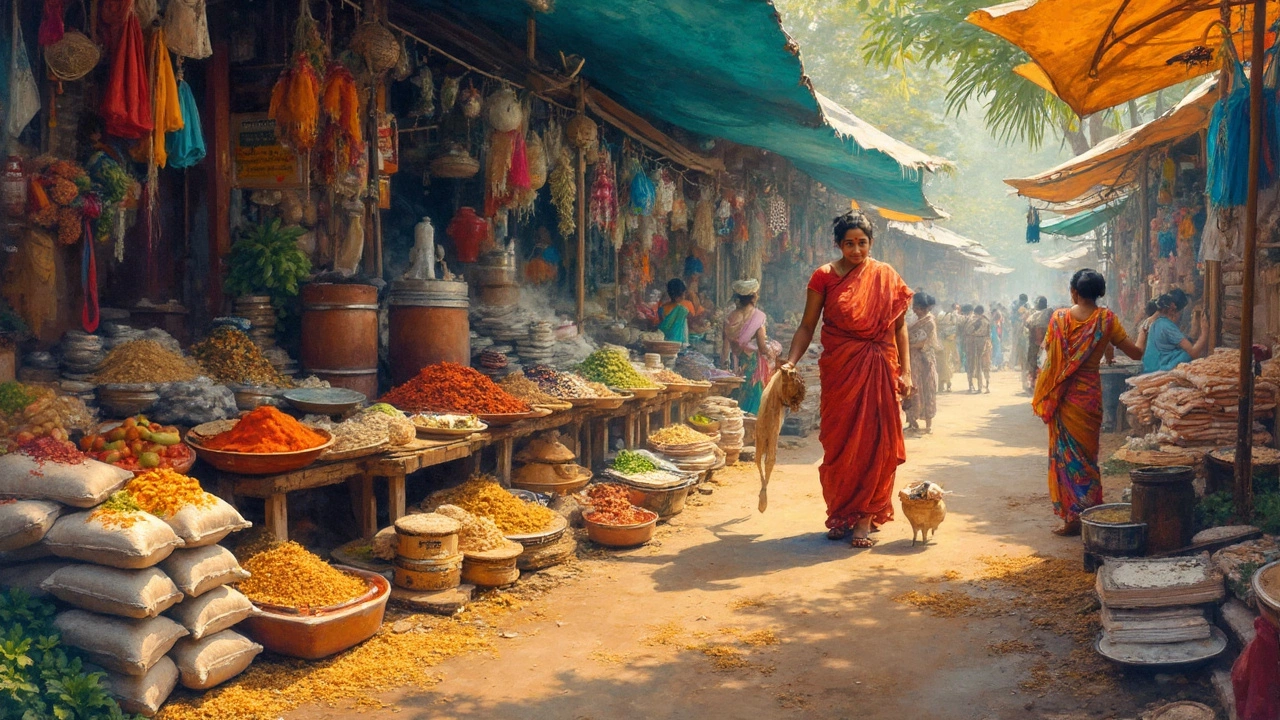
North Indian Cuisine: Flavors, Dishes, and Cultural Roots
When you think of North Indian cuisine, a vibrant, spice-rich food tradition from the northern states of India, including Punjab, Uttar Pradesh, Rajasthan, and Delhi. Also known as North Indian food, it’s defined by its use of dairy, slow-cooked meats, and tandoor ovens. This isn’t just food—it’s history served on a plate. Unlike the coconut-heavy curries of the south or the fish-based meals of the east, North Indian cuisine leans on cream, ghee, yogurt, and wheat-based breads like naan, a soft, oven-baked flatbread often brushed with butter or garlic, and roti, a simpler, whole-wheat version cooked on a flat griddle. These aren’t side dishes—they’re the foundation.
The heart of this cuisine lies in its cooking methods. The tandoor, a clay oven heated with charcoal, used for baking bread and roasting meats gives dishes like tandoori chicken, marinated in yogurt and spices, then charred to perfection their signature smoky flavor. Then there’s butter chicken, a creamy, tomato-based curry that started in Delhi as a way to use leftover tandoori chicken. It’s now one of the most ordered Indian dishes globally—not because it’s the oldest, but because it’s the most comforting. The use of cashew paste, cream, and mild spices makes it approachable, yet deeply layered. This cuisine doesn’t rely on heat alone; it balances richness with subtlety.
What makes North Indian food stand out isn’t just the taste—it’s the culture behind it. Meals are often shared, eaten with hands, and paired with lentils, pickles, and chutneys. In Punjab, you’ll find sarson ka saag with makki di roti. In Lucknow, kebabs are slow-cooked for hours. In Varanasi, street food like kachori and jalebi turns mornings into celebrations. These dishes aren’t just recipes—they’re passed down through generations, tied to festivals, weddings, and daily rituals. You won’t find this depth in fast-food versions of Indian food abroad. The real thing takes time, patience, and respect for ingredients.
What you’ll find in the posts below isn’t just a list of dishes. It’s a look at how this cuisine connects to India’s travel experiences—from luxury train journeys serving authentic curries to budget travelers eating their first butter chicken in a Delhi alley. You’ll see how it fits into daily life, how it’s packed for trips, and why it’s one of the biggest reasons people fall in love with India.