Pilgrimage in India: Sacred Journeys, Temples, and Spiritual Traditions
When people talk about pilgrimage, a spiritual journey to a sacred place, often driven by faith, tradition, or personal transformation. Also known as tirtha yatra, it’s not just about visiting a temple—it’s about the walk, the silence, the chants, and the moment you feel something bigger than yourself. In India, pilgrimage isn’t a vacation. It’s a way of life. Millions do it every year—not because they have to, but because they need to.
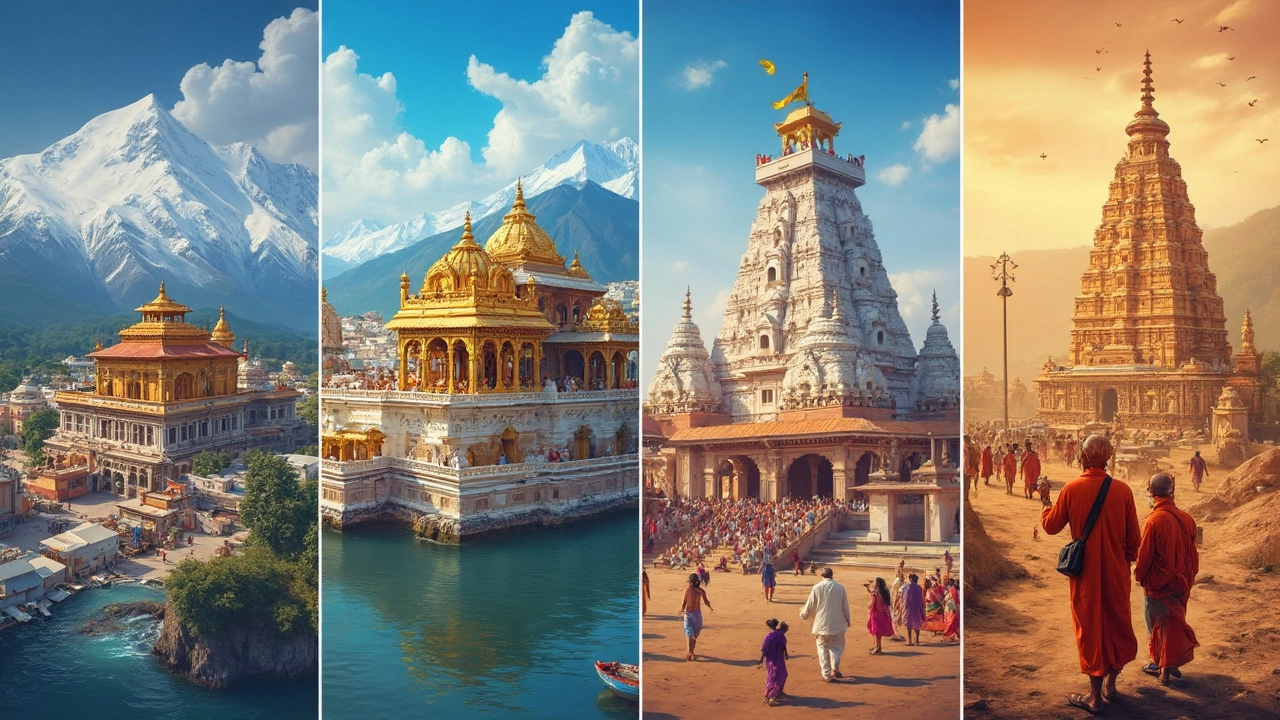
These journeys connect to places like Varanasi, one of the oldest living cities in the world, where the Ganges River is believed to wash away sins, or Amarnath, a remote ice shrine where a natural lingam forms every summer, drawing tens of thousands through snow and steep trails. Then there’s Rameswaram, a coastal temple linked to the Ramayana, where pilgrims bathe in the sea before entering the sanctum. Each site has its own story, its own rhythm, its own pull.
What makes Indian pilgrimage different? It’s not just the destination—it’s the path. People walk barefoot for days. They carry water from holy rivers to offer at distant shrines. They sleep on temple floors. They eat simple meals offered by strangers. This isn’t performance. It’s practice. And it’s alive—not staged for tourists, but lived by farmers, students, grandmothers, and factory workers who leave their lives behind for a few days, weeks, or months.
You’ll find these same threads in the posts below. Why do people cry in temples? It’s not sadness—it’s release. Why does the Palace on Wheels draw pilgrims and tourists alike? Because even luxury can’t hide the weight of sacred ground. Why do foreigners prefer quiet beaches in Goa? Sometimes, peace is the only prayer left.
These aren’t just travel stories. They’re glimpses into a culture where faith moves through streets, rivers, and mountains—not just inside buildings. Whether you’re planning a trip or just curious, what you’ll find here isn’t a list of temples. It’s a map of the heart.