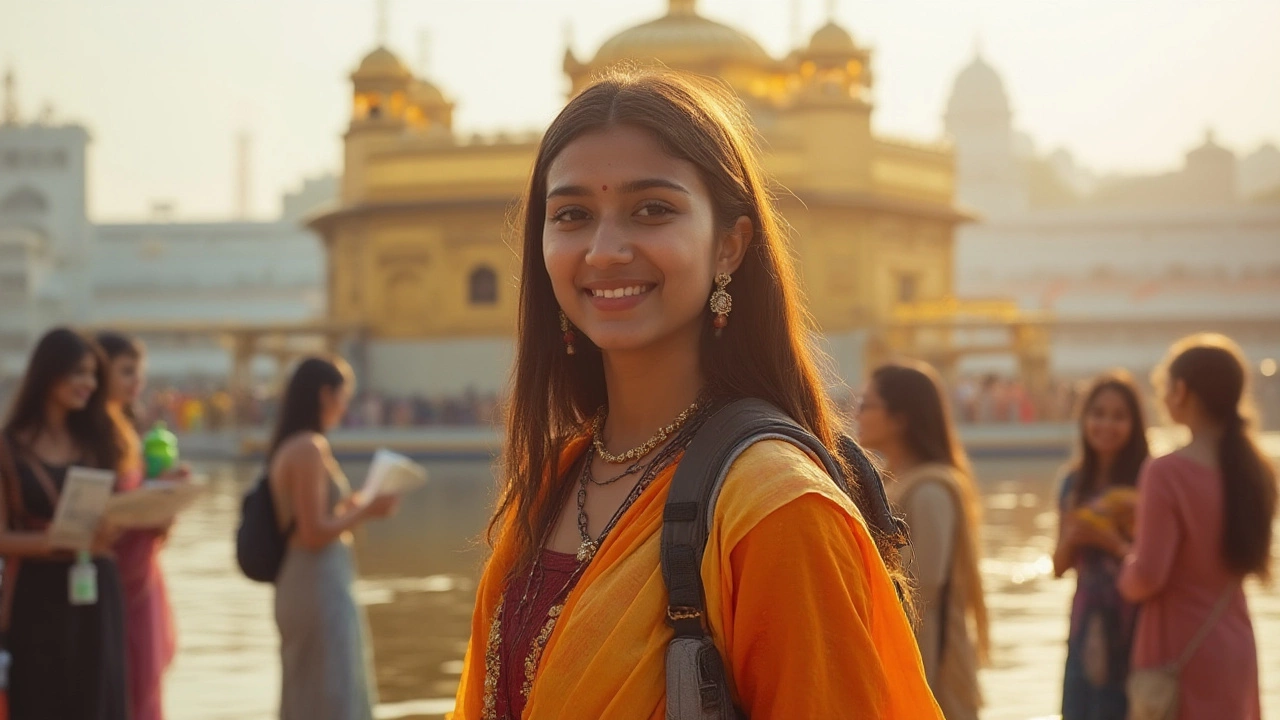
Punjab Safety Tips: What You Need to Know Before You Go
When you think of Punjab, a vibrant state in northern India known for its rich agriculture, lively festivals, and deep spiritual heritage. Also known as the Land of Five Rivers, it’s where the Golden Temple in Amritsar draws millions each year, and where hospitality isn’t just a word—it’s a way of life. But like any place with deep traditions and growing tourism, knowing how to stay safe makes all the difference. Punjab is one of the safest states in India for travelers, but that doesn’t mean you can ignore common sense. You’re not walking into danger—but you are walking into culture, and culture has rules you don’t always see until you break them.
Most safety concerns in Punjab come from misunderstandings, not crime. Locals are warm, helpful, and quick to guide a lost tourist. But don’t assume everyone speaks English. Keep a printed address of your hotel, and save a local number—maybe your driver’s or your guide’s. Don’t wear revealing clothes in rural areas or near religious sites. Women traveling alone don’t need to cover up completely, but loose-fitting pants and modest tops are respectful and make you feel more at ease. And yes, you can carry a backpack, but avoid flashy jewelry or expensive cameras in crowded markets. Pickpockets exist everywhere, but in Punjab, they’re rare. The bigger risk? Getting distracted by a plate of sarson da saag or a spontaneous bhangra dance and losing track of your things.
The Golden Temple, the holiest site in Sikhism and a beacon of peace open to all. Also known as Harmandir Sahib, it’s where you’ll find free meals served 24/7 to anyone—no questions asked. That’s not just charity; it’s a core belief. When you visit, cover your head, remove your shoes, and walk barefoot through the complex. Don’t point your feet at the scripture. Don’t take photos inside the main shrine. These aren’t tourist rules—they’re signs of respect. Follow them, and you’ll be treated like family. And if you’re worried about scams? Stick to official guides listed at the temple entrance. Touts exist, but they’re easy to spot. A genuine volunteer won’t ask for money. For transport, pre-book taxis through your hotel or use ride apps like Ola. Avoid unmarked autos, especially at night. Rural roads are quiet and safe, but bus stations can be chaotic. Keep your bag close. If you’re heading to the border near Pakistan—like Wagah—plan your visit during daylight. The flag-lowering ceremony is unforgettable, but crowds get big, and things move fast.
Food safety is simple here: eat where locals eat. Street food in Amritsar is legendary—and safe. Look for busy stalls with high turnover. Avoid raw salads unless you’re sure they’re washed in clean water. Drink bottled water. You’ll find it everywhere. And if you’re offered lassi or chai? Say yes. It’s not just a drink—it’s a welcome. Punjab’s safety isn’t about locks and alarms. It’s about openness, respect, and a little awareness. You’ll leave with full stomachs, warm memories, and maybe even a new friend. The real danger? Not going at all.
Below, you’ll find real stories and practical advice from travelers who’ve walked these streets, eaten at these dhabas, and sat quietly in the courtyards of temples. Whether you’re planning a weekend trip or a longer journey, these posts give you the unfiltered truth—no fluff, no hype, just what you need to know before you go.