Shiva Temples: Sacred Sites, Rituals, and Why They Move Millions
When you step into a Shiva temple, a sacred space dedicated to Lord Shiva, one of the principal deities in Hinduism, often worshipped as the destroyer and transformer within the Trimurti. Also known as Mahadev temples, these places aren’t just architecture—they’re emotional anchors for millions who come seeking peace, answers, or simply to feel something real. You don’t need to be religious to feel it. The sound of the bell, the smell of incense, the rhythmic chant of "Om Namah Shivaya"—it hits you before you even see the lingam.
Shiva temples are tied to deep cultural rituals that have stayed unchanged for centuries. The daily abhishekam, the ritual bathing of the Shiva lingam with water, milk, honey, and bilva leaves, isn’t just tradition—it’s a sensory experience meant to purify the soul. In temples like Kedarnath, Rameswaram, or Somnath, the air feels heavier with meaning. People come not just to pray, but to release something they’ve carried too long. That’s why so many visitors cry without knowing why—something in the energy, the history, the silence between chants, breaks through.
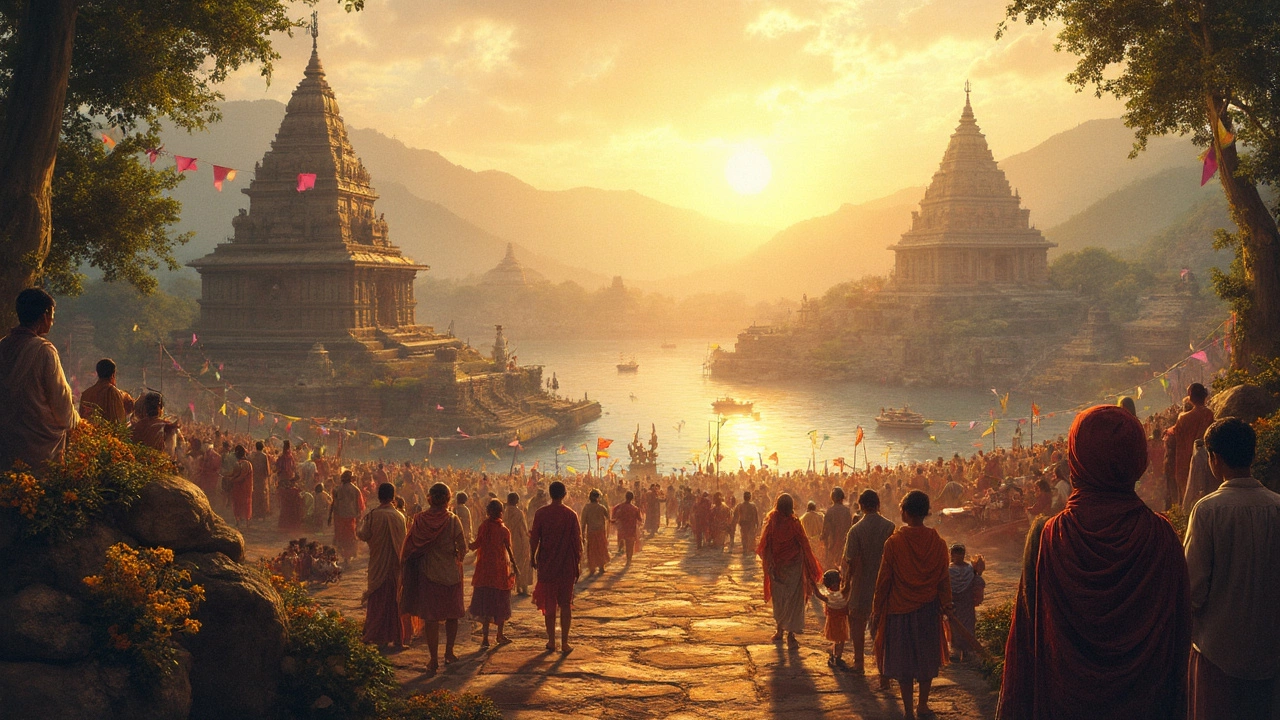
These temples also connect to India’s geography in surprising ways. Many sit at high altitudes, near rivers, or on coastlines—not by accident, but by design. Shiva is linked to nature: the Himalayas are his home, the Ganges flows from his hair, and the Nandi bull guards every entrance. Even the Jyotirlingas, the twelve most sacred Shiva shrines said to be self-manifested pillars of light, are scattered across the country, each telling a story tied to land, legend, and devotion. You won’t find this kind of spiritual mapping in many other religions.
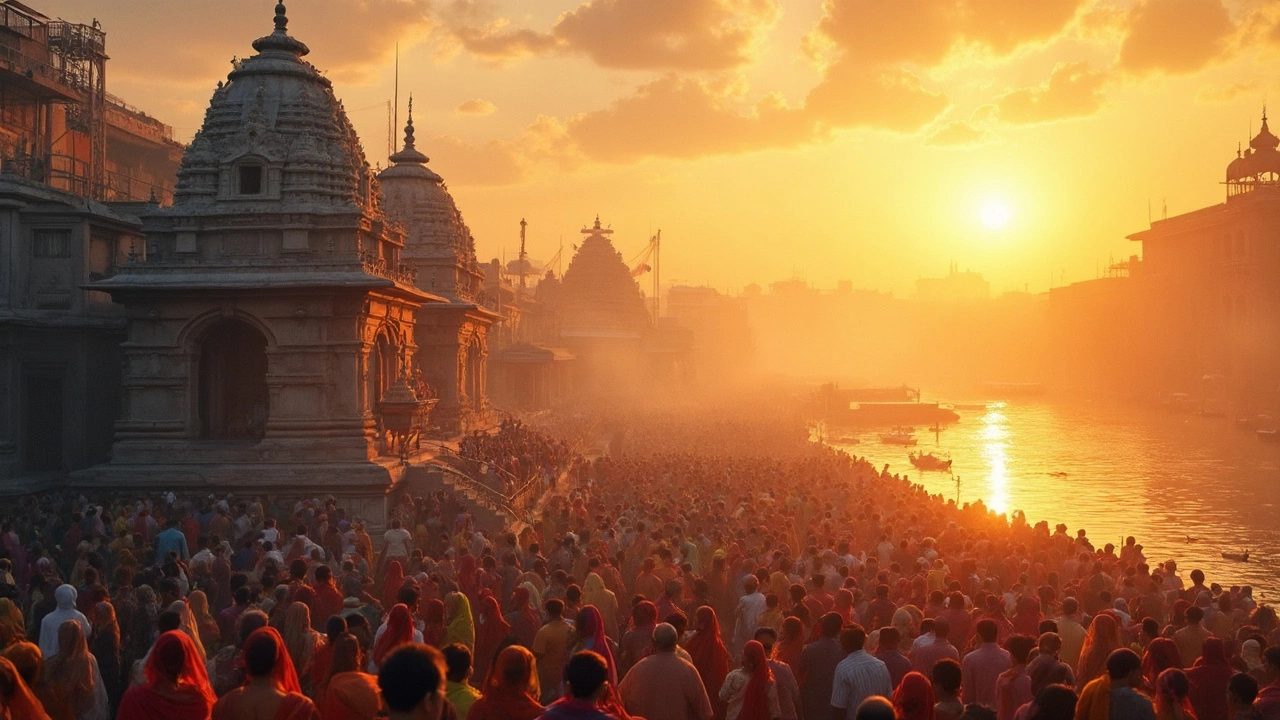
What makes these temples different from other religious sites? It’s the rawness. No polished sermons. No curated experiences. Just a stone idol, a priest chanting, and a crowd of people—some in silk, others in dusty clothes—offering flowers, coconuts, or just their silence. You’ll find families here, lone travelers, sadhus with ash-covered bodies, and tourists with cameras who end up standing still, not sure why they’re holding their breath.
And it’s not just about worship. These places are hubs of music, dance, and community. In Tamil Nadu, temple festivals bring entire towns alive with drumming and processions. In Varanasi, the Ganga Aarti at Dashashwamedh Ghat isn’t just a show—it’s a daily offering to Shiva, where thousands gather, not as spectators, but as participants. Even the food—prasad like bhang lassi or kheer—is part of the ritual, meant to be shared, not sold.
What you’ll find in the posts below isn’t a list of temples to check off. It’s the real stories behind them: why people cry inside, how a single visit can change a life, what the rituals actually mean, and why some of India’s most powerful spiritual moments happen in places most tourists never understand. Whether you’re planning a trip, curious about Hinduism, or just wondering why a stranger broke down in front of a stone pillar—you’ll find answers here, not in textbooks, but in the voices of those who’ve been there.