Temple Etiquette in India: What You Need to Know Before You Visit
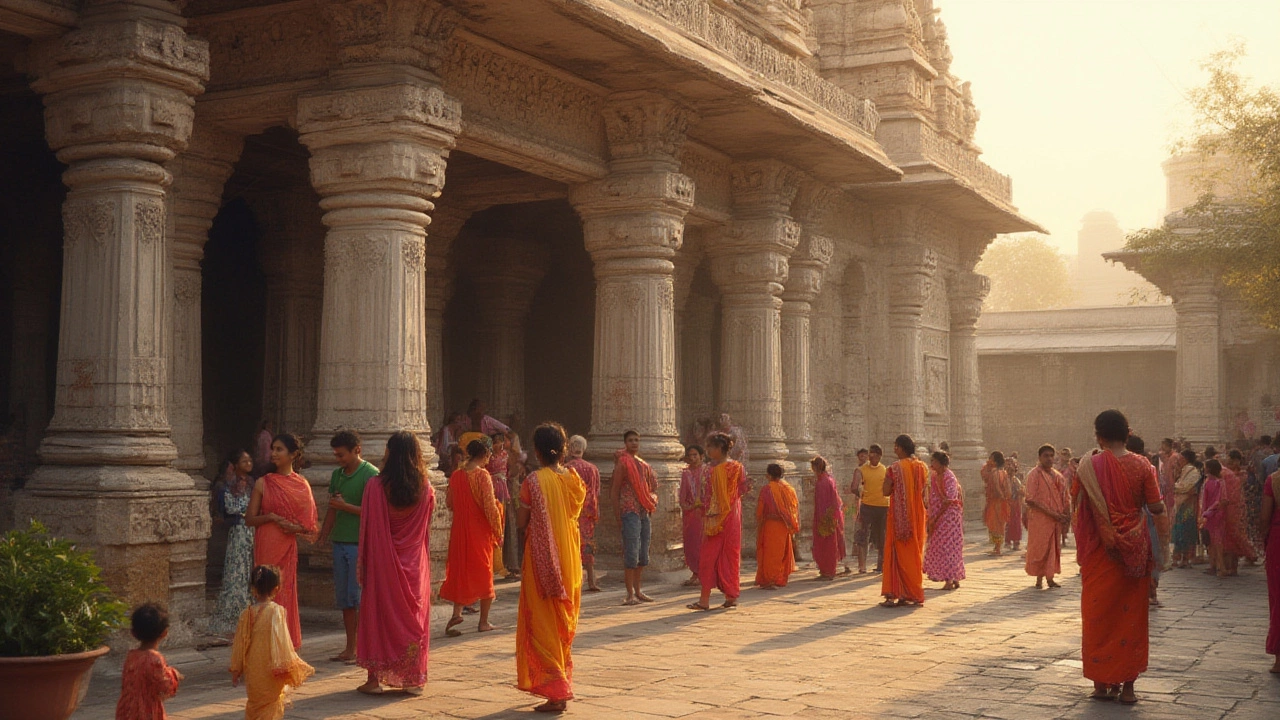
When you step into an Indian temple, a sacred space where devotion, tradition, and daily life blend together. Also known as a mandir, it’s not just a building—it’s a living part of India’s spiritual rhythm. Whether you’re there for peace, curiosity, or culture, how you behave inside matters more than you might think. This isn’t about rules for rules’ sake. It’s about respect—for the people who pray there every day, for the centuries of practice behind every ritual, and for the energy of the place itself.
One of the first things you’ll notice? Shoes. You don’t just take them off—you leave them outside, often in a designated spot, sometimes watched by someone who keeps track. This isn’t a suggestion. It’s a sign that you’re entering a pure space. The same goes for clothing. No shorts, no tank tops, no revealing outfits. Women often cover their heads, especially in South India, and men are expected to wear full pants. You don’t need to buy special clothes—just wear something modest. A long skirt or loose pants and a t-shirt will do. If you’re unsure, watch what locals do. They’re not judging you—they’re used to tourists, but they notice when someone doesn’t try.
Inside the temple, silence isn’t just polite—it’s part of the atmosphere. Loud talking, phone calls, or taking selfies in front of the main deity can feel disrespectful. You’re not at a museum. People are praying. If you want to take photos, ask first. Some temples allow it; others don’t. And never point your feet at the idol. In Indian culture, feet are considered the lowest part of the body—literally and spiritually. Sitting with your feet facing the deity? That’s a no. Also, avoid touching the idols unless you’re part of the ritual. Priests handle the offerings, the bells, the flowers. You watch, you receive prasad (blessed food), and you leave with peace, not souvenirs.
There’s also the matter of food. Many temples offer prasad, and refusing it can be seen as turning down a blessing. Eat it with your right hand—left hand is for cleaning. Don’t waste it. If you’re not sure what to do, follow the person in front of you. You’ll see them bow, touch their forehead, then accept the offering with both hands. That’s your cue. And if you’re visiting during a festival? Expect crowds, music, and maybe even a parade. It’s beautiful, but stay calm. Don’t block paths. Don’t push. This isn’t a tourist show—it’s a community celebration.
Temple etiquette isn’t about fear. It’s about awareness. You don’t need to be Hindu to understand it. You just need to be human. The same way you’d quiet your voice in a hospital or a library, you do the same here. And when you do, something shifts. You stop being a visitor. You become part of the moment. That’s why so many people cry when they walk out of a temple, even if they didn’t expect to. It’s not about religion. It’s about feeling something real.
Below, you’ll find real stories and tips from people who’ve been there—what surprised them, what they got wrong, and what they wish they’d known before stepping inside. Whether you’re heading to Varanasi, Tirupati, or a quiet village shrine, these posts will help you go in ready—not just as a tourist, but as someone who gets it.