Temple Manners in India: What to Know Before You Visit
When you step into an Indian temple, a sacred space where daily rituals, prayers, and community life come together. Also known as mandir, it’s not just a building—it’s a living part of culture that demands respect, not just curiosity. Many visitors don’t realize that temple manners in India aren’t about rules for rules’ sake. They’re about honoring centuries of tradition, belief, and daily practice. Walk in unprepared, and you might accidentally offend someone—or miss the quiet magic that makes these places so powerful.
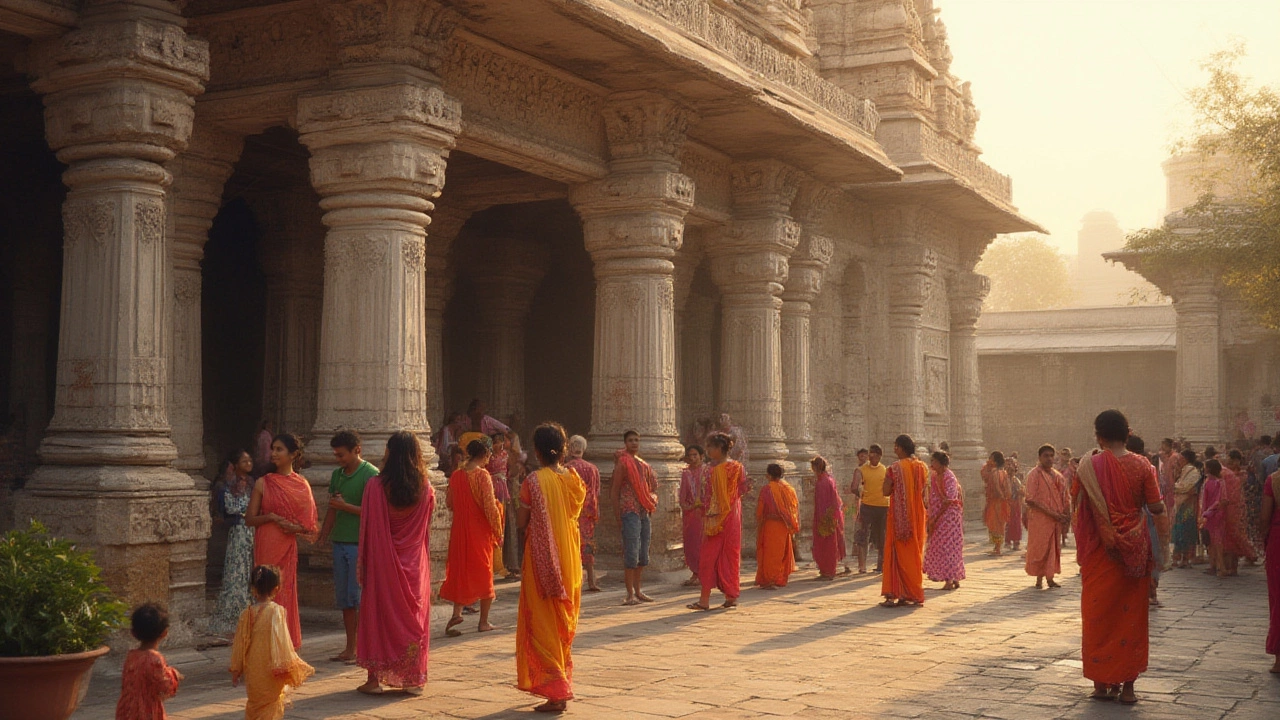
One of the biggest things to get right is dress code, how you cover your body when entering sacred spaces. Also known as temple attire, it’s simple: no shorts, no tank tops, no revealing clothes. In most temples, men wear long pants and shirts, women wear saris, salwar kameez, or long skirts with covered shoulders. Bare feet are often required inside the main shrine area—so leave your socks and shoes at the entrance. This isn’t just tradition; it’s about purity, both physical and spiritual. You’ll see people washing their feet before entering. It’s not a performance—it’s a habit, as normal as brushing your teeth. Then there’s behavior, how you move, speak, and act inside. Also known as temple etiquette, it means no loud talking, no pointing at deities, no touching idols unless invited. Don’t take photos where signs say no—especially during aarti or prayer. Many temples have strict rules about who can enter certain areas, and those aren’t just for tourists—they’re part of ancient rituals that still hold meaning today. And yes, food and drinks? Usually not allowed inside. Even water bottles can be a problem. Some temples have donation boxes near the entrance—don’t feel pressured to give, but if you do, it’s seen as a gesture of goodwill, not a fee.
Temple manners in India vary by region. A temple in Kerala might let women enter during their period; one in Tamil Nadu might not. A temple in Varanasi might welcome cameras; one in Pushkar might ban them. That’s why you can’t rely on one rule for all. But the core stays the same: come quietly, dress modestly, and treat the space like someone’s home—because for many, it is. You’re not just a visitor. You’re a guest in someone’s sacred space. Get it right, and you’ll feel the calm. Get it wrong, and you’ll feel the silence.
Below, you’ll find real stories and practical tips from people who’ve walked through these doors—some crying, some confused, some humbled. They didn’t come to check off a sightseeing box. They came to understand. And so can you.