Travel Safety India: Essential Tips for Staying Safe Across the Country
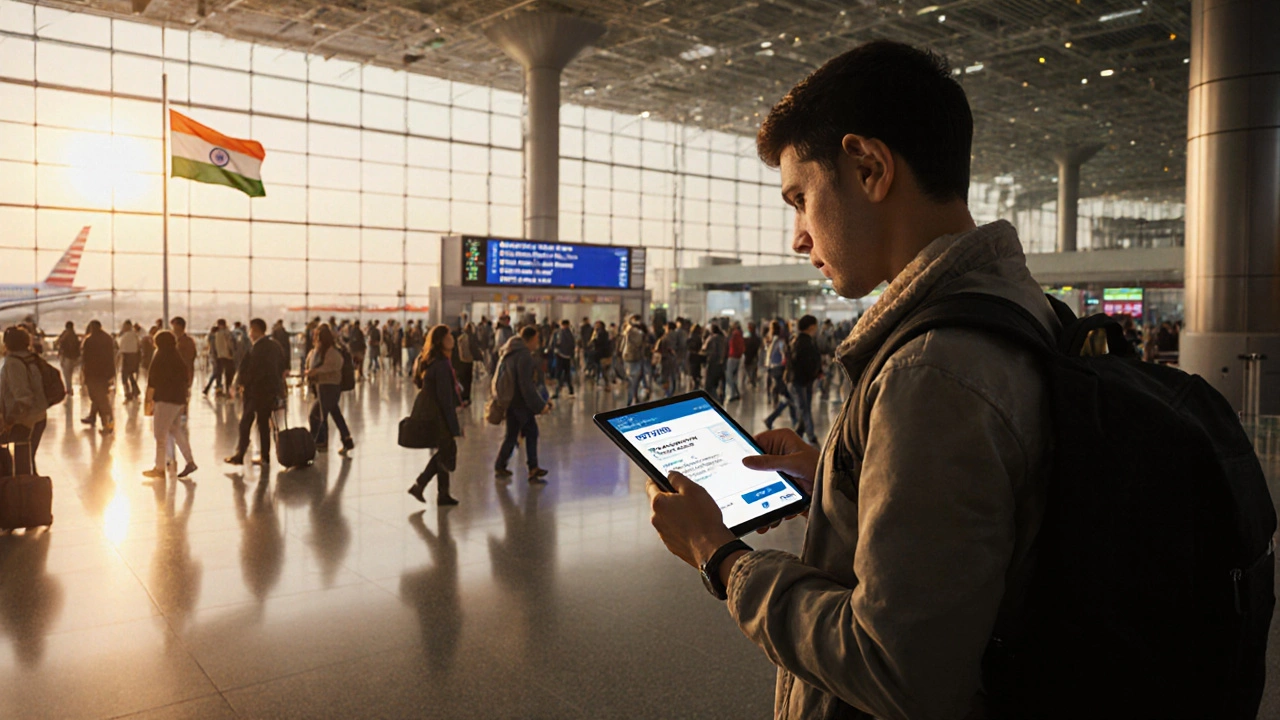
When you think about travel safety in India, the practical steps travelers take to protect themselves while exploring the country’s diverse regions. Also known as tourist safety in India, it’s not about fear—it’s about knowing what to watch for, where to be cautious, and how to move through cities, towns, and beaches with confidence. India is one of the safest countries for solo travelers if you follow basic rules, but confusion comes from mixed stories online. Some blogs paint it as dangerous; others act like nothing ever goes wrong. The truth? It’s somewhere in between—and your experience depends on where you go and how you prepare.
For example, safe beaches in India, coastal areas with lifeguards, clean water, and official Blue Flag certification, are clearly marked and widely recommended for families. Places like Palolem in Goa or the beaches of Lakshadweep aren’t just pretty—they’re managed, monitored, and safe for swimming. On the flip side, crowded urban areas like Delhi or Mumbai demand awareness: keep your bag zipped, avoid flashing cash, and use ride apps instead of hailing cabs. And don’t assume all rural areas are unsafe—many villages welcome tourists with open arms and have lower crime rates than big cities.
budget travel India, planning affordable trips without sacrificing safety or comfort doesn’t mean cutting corners on security. A ₹500 daily budget can still cover safe hostels, clean food stalls, and local transport if you know where to look. The key is choosing trusted accommodations, checking reviews from other travelers, and avoiding deals that seem too good to be true. Many backpackers get caught up in saving money and end up in places with no locks, no lighting, or no staff—risks you don’t need to take.
What about cultural safety? India’s customs aren’t just traditions—they’re part of your protection. Dressing modestly in religious sites, asking before taking photos of people, and respecting local norms aren’t about being polite—they reduce unwanted attention. In places like Varanasi or Rishikesh, locals notice when visitors act respectfully. That respect often turns into helpful advice: a shopkeeper pointing you to the safest route, a temple guide warning you about pickpockets near the entrance.
And don’t forget the basics: keep a copy of your passport, know your embassy’s number, and have a local SIM card with data. Many travelers don’t realize how useful a simple Google Maps offline download can be when you’re in a village with no signal. Emergency contacts, local police numbers, and even WhatsApp groups for expats in your city can be lifesavers.
Travel safety in India isn’t a checklist you complete before you leave—it’s something you adjust every day. One day you’re on a luxury train like the Palace on Wheels, the next you’re hopping on a local bus in Rajasthan. The rules change, but your awareness doesn’t. What works in Goa won’t always work in Ladakh, and what’s fine in Mumbai might raise eyebrows in Varanasi.
Below, you’ll find real stories and practical advice from travelers who’ve been there. Whether you’re wondering which beaches are truly safe in 2025, how to handle money on a tight budget, or what to pack so you don’t stand out as an easy target—you’ll find answers that aren’t just theoretical. These aren’t generic tips from a guidebook. They’re the kind of things people tell you after you’ve asked, ‘How did you stay safe?’