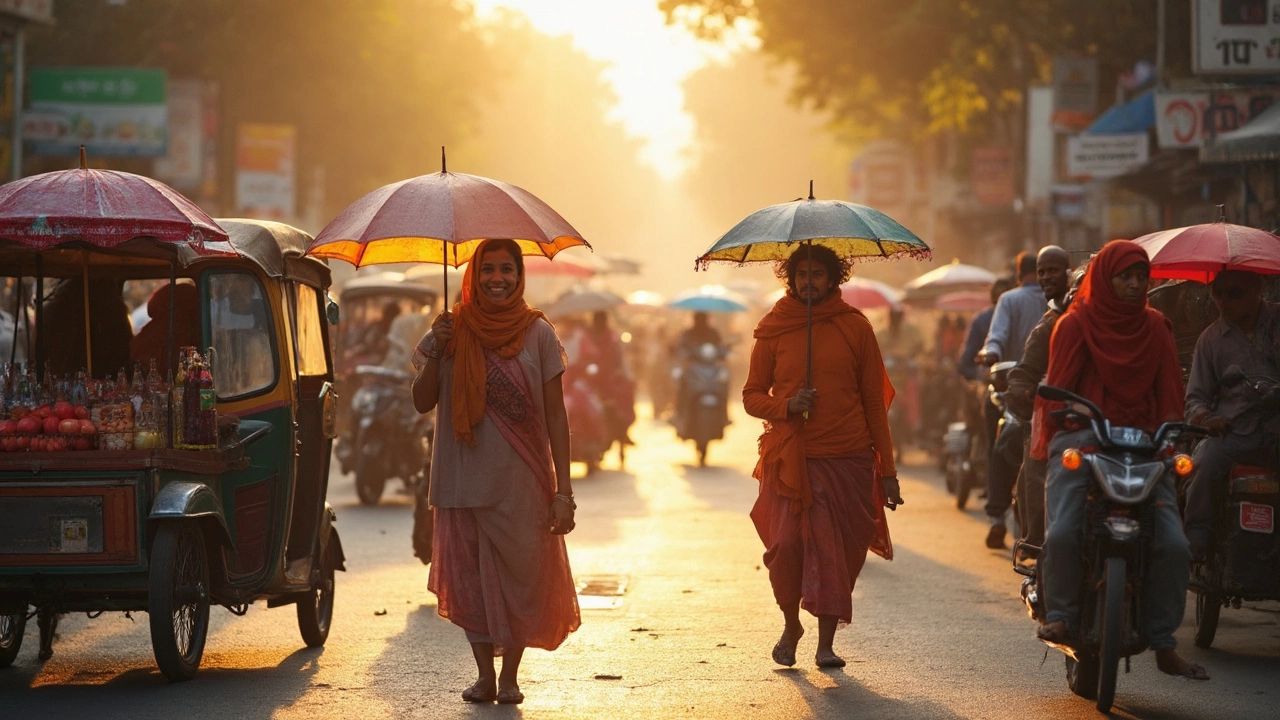
Weather in India: What to Expect Across Seasons and Regions
When you think about weather in India, the seasonal extremes that shape travel, agriculture, and daily life across a vast subcontinent. Also known as India climate, it’s not just about heat—it’s about timing, region, and how monsoons rewrite your plans. One day you’re sweating in Delhi at 45°C, the next you’re shivering in Manali with snow on the ground. There’s no single "best" time to visit India—only the best time for what you want to do.
The monsoon season India, the annual rainy period that brings life to farmland and floods city streets hits between June and September. It’s not just rain—it’s a force. In Kerala, it’s gentle and green. In Mumbai, it shuts down trains. Many travelers avoid it, but locals know it’s when the country smells richest and the hills turn emerald. If you’re heading to Rajasthan, monsoon means empty temples and cooler nights. Skip it if you hate mud. Embrace it if you want to see India breathe.
Winter, from November to February, is when most tourists show up. The north is crisp and clear—perfect for the Golden Triangle. Jaipur’s forts don’t glare under harsh sun. Agra’s Taj Mahal looks magical at dawn. But in the south, winter is warm, not cold. Chennai stays at 28°C. Goa’s beaches are lively, but not packed. This is the peak season for a reason: it’s comfortable, predictable, and ideal for sightseeing. Just book early—rooms fill up fast.
Summer, March to May, is brutal in the plains. Delhi, Kolkata, and Lucknow become ovens. But if you’re planning a trip to the Himalayas or hill stations like Shimla or Ooty, this is your window. The mountains stay cool, and the crowds haven’t arrived yet. It’s also the quiet time in Kerala—perfect for backwater houseboats without the noise. Pack light, stay hydrated, and avoid midday sun unless you’re at altitude.
And don’t forget the coastal zones. Goa, Puri, and the Andaman Islands have their own rhythm. Sea breezes help, but humidity sticks to your skin. Beaches in the south dry fast after rain. In the north, the Arabian Sea stays rougher. If you’re chasing clean, safe beaches, check Blue Flag status—it’s not just marketing. Some spots get certified because they actually manage waste and water quality.
What you wear, when you book flights, even how much cash to carry—all of it ties back to best time to visit India, the window when weather aligns with your travel goals. Want to trek in Ladakh? Go July to September. Want to see elephants in Ranthambore? December to March. Planning a spiritual trip to Varanasi? Avoid the monsoon—gates close, ghats flood. This isn’t guesswork. It’s pattern recognition.
The posts below give you real stories from travelers who faced India’s weather head-on. You’ll find out why 500 rupees goes further in winter than in peak season, how to pack for a train ride across Rajasthan’s heat, and why foreigners choose quiet Goa beaches when the monsoon hits. No fluff. Just what you need to move through India’s climate—not just survive it, but enjoy it.