Wildlife Sanctuary in India: Best Places to See Tigers, Elephants, and Rare Birds
When you think of a wildlife sanctuary, a protected area where animals live freely without human interference. Also known as wildlife reserve, it’s not just a patch of forest—it’s a living ecosystem that keeps species like tigers, leopards, and one-horned rhinos from disappearing. India has over 500 of these sanctuaries, and they’re some of the most vital places on Earth for conservation. Unlike zoos, these spaces let animals live as they always have—hunting, migrating, raising young—without cages or shows.
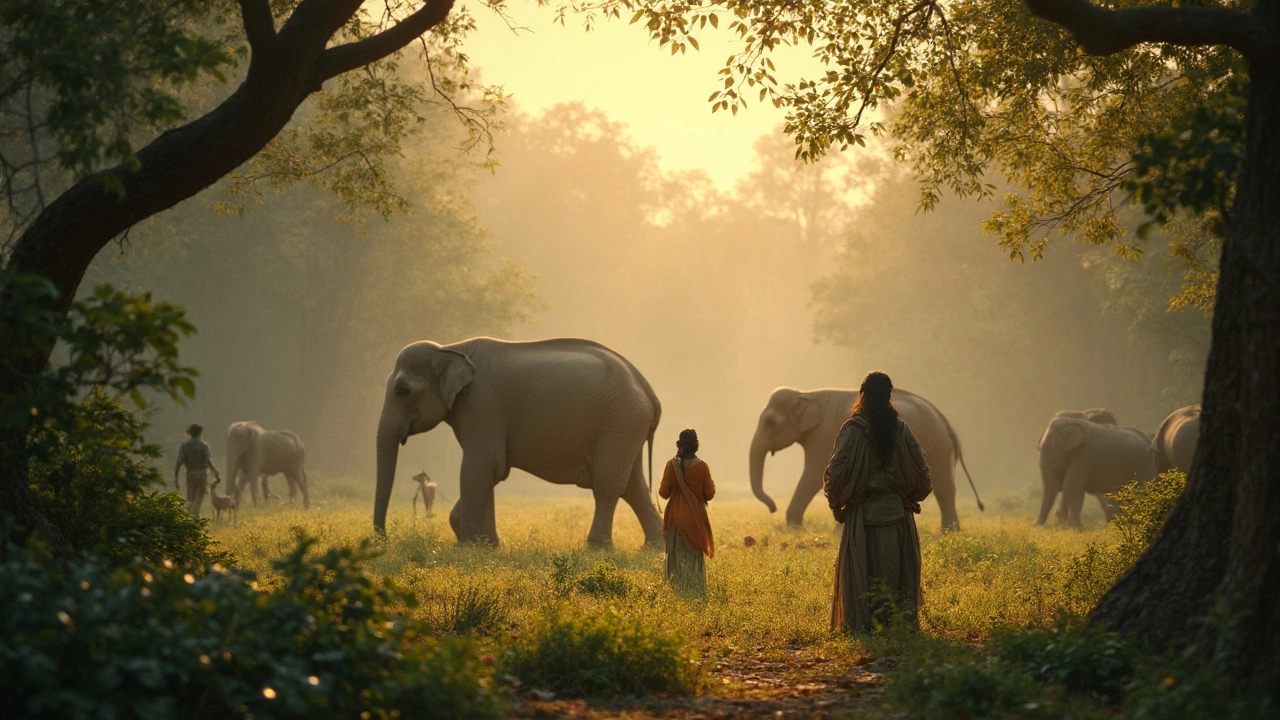
Many of India’s best sanctuaries double as national parks, government-designated areas with stricter protection rules and public access for tourism. Places like Jim Corbett, Ranthambore, and Bandhavgarh aren’t just famous—they’re lifelines for the last 3,000 wild tigers in the country. These parks don’t just protect animals; they protect entire food chains. Elephants move through corridors in Kaziranga, sloth bears dig for termites in Satpura, and over 1,200 bird species flutter through the wetlands of Keoladeo. You won’t find this kind of diversity anywhere else on the planet.
Some sanctuaries are hidden gems. Bhagwan Mahavir in Goa, for example, is a quiet escape where gaur and leopards share space with ancient rock carvings. Or Kanha, where the barasingha deer was brought back from the edge of extinction. These places aren’t just for photographers or scientists—they’re for anyone who wants to see what nature looks like when it’s left alone.
And it’s not just about the animals. Local communities live alongside these sanctuaries. In some areas, former poachers now work as guides. Tribal families protect sacred groves that double as wildlife corridors. This isn’t conservation by outsiders—it’s survival by people who’ve lived with these animals for centuries.
What you’ll find in the posts below aren’t generic lists. You’ll read about real experiences: the quiet moment when a tiger walks past your jeep at dawn, why birdwatchers swear by Bharatpur, how to avoid crowds in Ranthambore, and why some sanctuaries are better in winter than monsoon. You’ll also learn what’s changing—how climate, tourism pressure, and new policies are affecting these places. This isn’t just travel advice. It’s a look at what’s still wild in India—and why it’s worth protecting.