Hippie Trail Journey Planner
Select the hubs you wish to visit to see your spiritual alignment and journey itinerary. Mix the coastal freedom of Goa with the Himalayan heights of Rishikesh.
Quest Progress
Your Itinerary
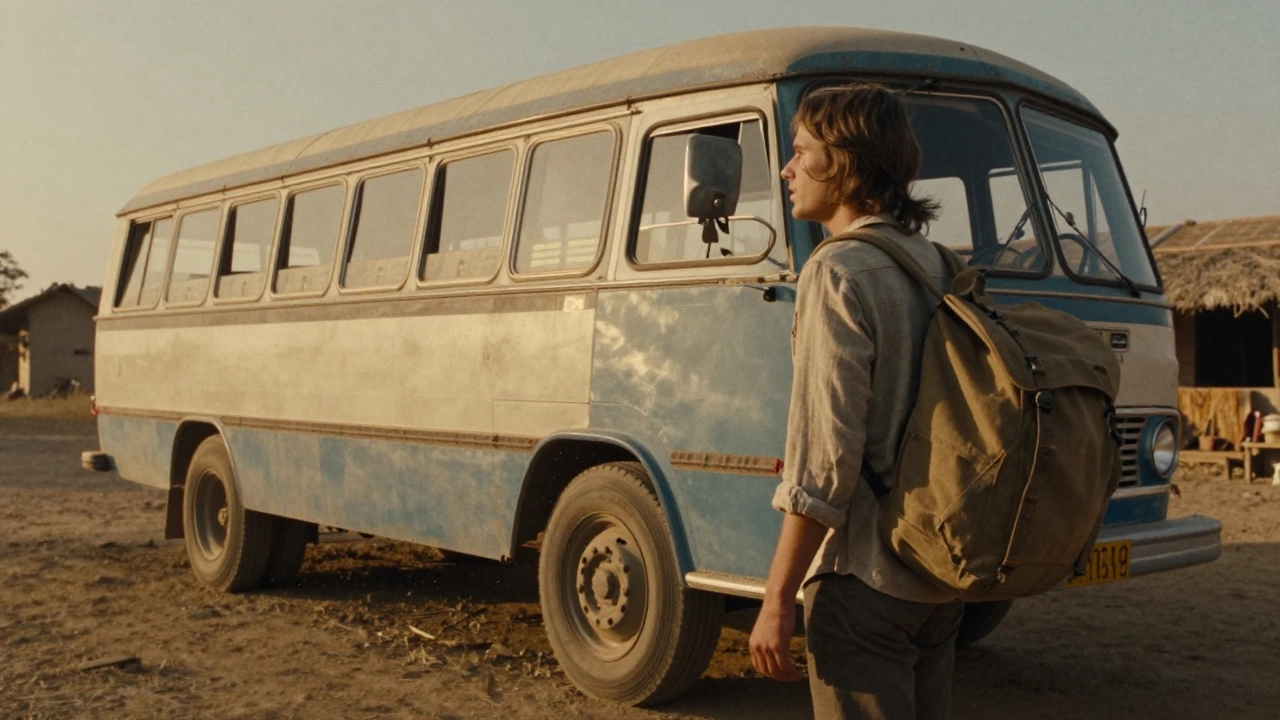
To understand what the hippie trail india is, you have to stop thinking about it as a single road on a map. It wasn't a highway with signs; it was a cultural phenomenon. Essentially, it was an overland route that stretched from Europe through Turkey and Iran, eventually winding its way deep into the heart of the Indian subcontinent. For these travelers, India was the ultimate destination-the spiritual anchor of the entire trip.
Key Takeaways for Modern Seekers
- The trail wasn't one path, but a network of spiritual and bohemian hubs.
- Goa served as the coastal entry and party point, while the Himalayas were the spiritual peak.
- It focused on minimalism, meditation, and a rejection of Western materialism.
- Much of the original route is now navigated via flights and trains rather than overland buses.
The Coastal Gateway: Goa and the Beach Culture
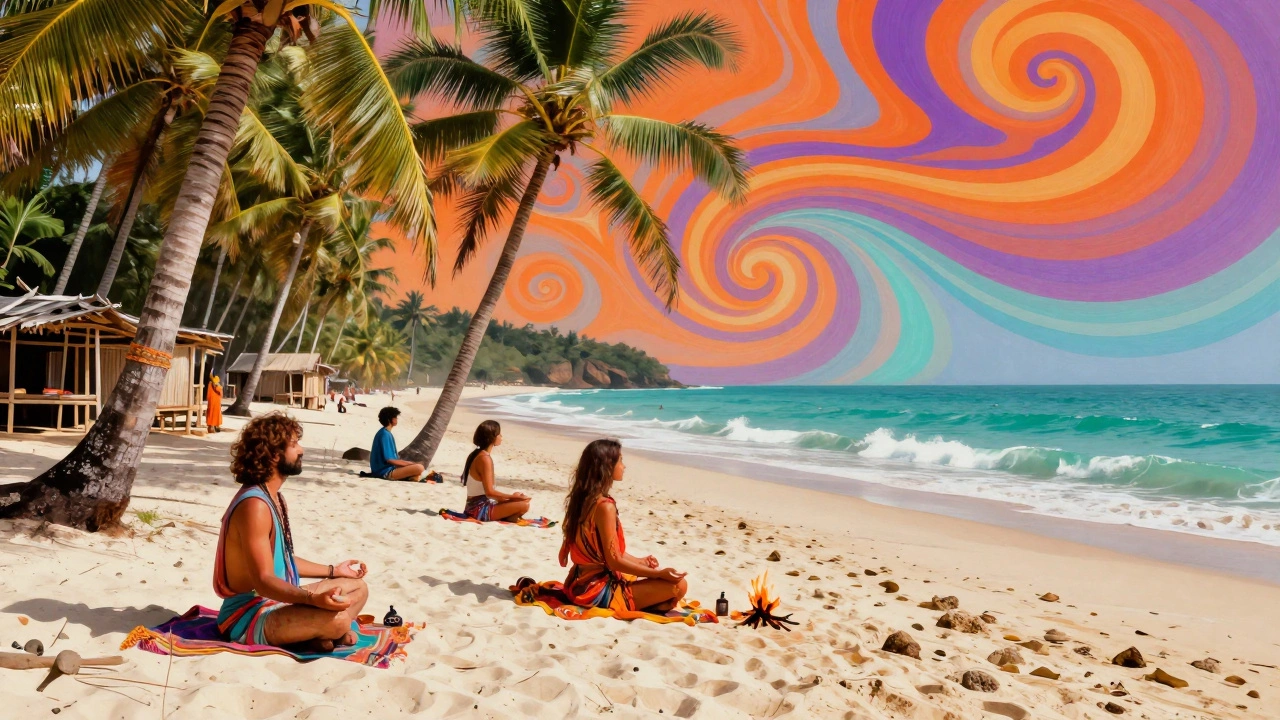
For many, the Indian leg of the journey began or ended in Goa. In the 60s and 70s, this former Portuguese colony became a sanctuary for those dodging the draft or escaping the rigid social structures of London and New York. Unlike the structured tours of today, the early visitors found a lawless, lush paradise where they could live in shacks and meditate on the sand.
The focus here was on Anjuna Beach and Arambol Beach. These spots weren't just for sunbathing; they were the epicenters of the "psychedelic" movement. Travelers shared ideas about consciousness and expanded their horizons through yoga and music. If you visit these beaches today, you can still feel that lingering energy, though it's now mixed with luxury resorts and crowded shacks. The core of the experience was about freedom-the freedom to exist without a schedule.
The Spiritual Ascent: Rishikesh and the Ganges
Once the coast was explored, the trail moved inland and upward toward the foothills of the Himalayas. The most critical stop was Rishikesh. This town is widely considered the world capital of yoga, and for a reason. It's where the mountains meet the Ganges River, creating an atmosphere that feels electrically charged.
The 1968 visit of The Beatles to study under Maharishi Mahesh Yogi put Rishikesh on the global map. Suddenly, every young person with a passport wanted to find a