South India Heat Comparison Tool
Which South Indian City is Hottest in April?
Compare typical April temperatures across major South Indian cities. Select your destination to see expected conditions and get heat-specific travel tips.
Heat Analysis
Select a city and enter your comfort threshold to see analysis.
If you’ve ever planned a trip to South India and got caught in a heatwave, you know it’s not just warm-it’s relentless. The question isn’t whether it gets hot; it’s when it gets unbearable. For most travelers, the answer is simple: April is the hottest month in South India.
Why April Stands Out
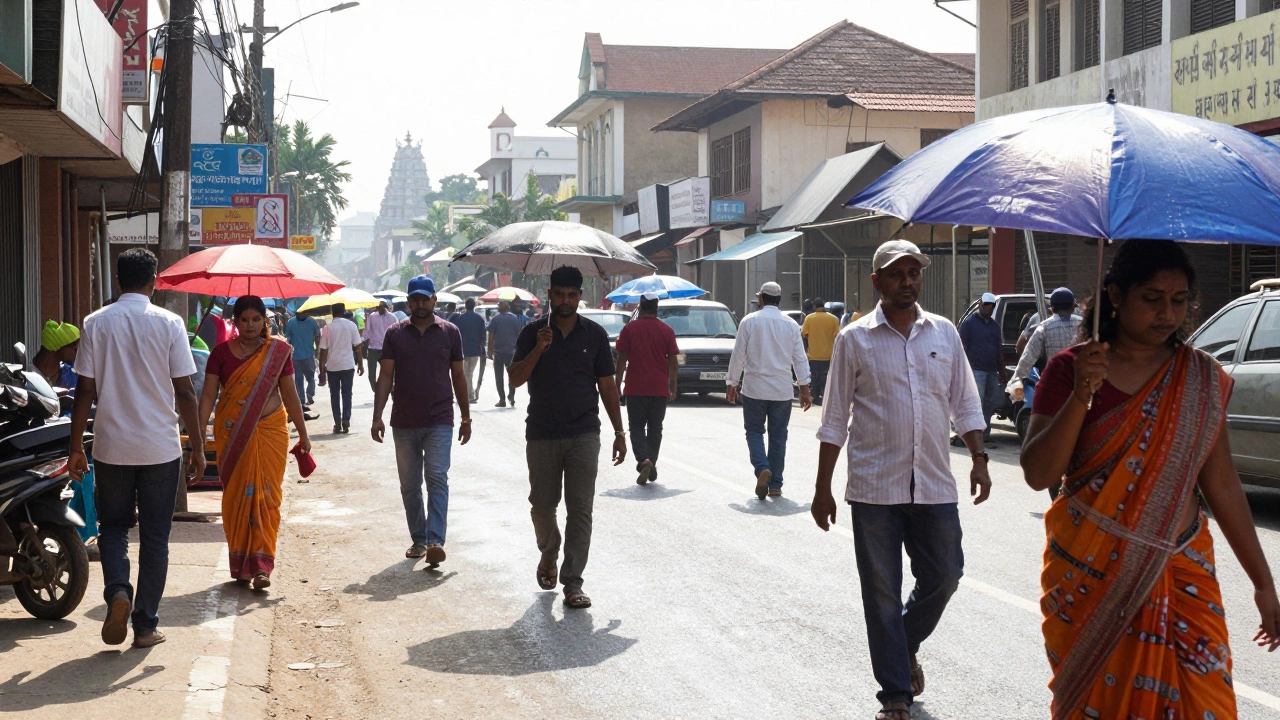
April isn’t just hot-it’s the peak of the pre-monsoon heat. By this time, the sun is nearly straight overhead, the skies are clear, and there’s no rain to cool things down. In cities like Chennai, Bengaluru, and Hyderabad, daytime temperatures regularly hit 38°C to 42°C (100°F to 108°F). In coastal areas like Kochi and Thiruvananthapuram, humidity pushes the heat index above 45°C (113°F), making it feel even worse than the thermometer shows.This isn’t random. South India’s climate follows a pattern: dry, sunny winters, then a slow climb into extreme heat before the monsoon breaks in late May or early June. April sits right at the top of that curve. The land has been baking since February, and by April, the ground stores heat like a brick wall in the sun. There’s no relief from sea breezes in inland areas, and even coastal cities feel sticky and heavy.
How It Compares Across Regions
South India isn’t one uniform zone. The heat hits differently depending on where you are.- Coastal Kerala and Tamil Nadu: High humidity makes it feel suffocating. Temperatures hover around 35°C-39°C, but the moisture traps heat against your skin. Nights don’t drop below 27°C.
- Inland Karnataka and Telangana: Drier air, but higher peaks. Hyderabad and Bengaluru can hit 42°C. The lack of humidity means it’s less sticky, but the sun is brutal-no cloud cover, no wind.
- Coastal Andhra Pradesh: A mix of heat and humidity. Visakhapatnam often records 40°C with 70%+ humidity. The sea doesn’t cool things off-it just adds moisture to the oven.
Even hill stations like Ooty or Kodaikanal aren’t safe. While they stay cooler than the plains, daytime highs in April still reach 28°C-30°C, and the sun feels stronger due to higher elevation. You’ll still sweat, just slower.
What Happens After April?
The monsoon doesn’t start on May 1st. It creeps in slowly-first over Kerala around May 25-30, then moving northward. That means May still carries a lot of April’s heat, especially in the first half. But by late May, the rains start to break the cycle. Thunderstorms bring short bursts of relief, humidity drops after rainfall, and the air finally starts to breathe.So if you’re choosing between April and May, April is hotter. But May is riskier if you’re hoping for cool weather. You might get scorching heat for the first three weeks, then sudden downpours that flood roads and delay travel. April gives you predictability: pure, unbroken heat. May gives you unpredictability: heat with surprise storms.
What Travelers Should Do
Planning a trip during April? You can still go-but you need to adjust.- Start early, end early: Do sightseeing before 9 a.m. and after 5 p.m. The midday sun isn’t just uncomfortable-it’s dangerous. Museums, temples, and indoor attractions are your friends between 11 a.m. and 4 p.m.
- Hydrate constantly: Drink at least 3-4 liters of water a day. Carry electrolyte tablets. Avoid alcohol and heavy meals-they raise your core temperature.
- Dress smart: Loose, light-colored cotton clothes. A wide-brimmed hat and UV-blocking sunglasses aren’t accessories-they’re survival gear.
- Book AC transport and accommodation: Don’t rely on fans. A non-AC room in Chennai in April can feel like a sauna. Even budget hotels with proper AC are worth the extra cost.
- Watch for heat exhaustion: Dizziness, nausea, rapid pulse, and dry skin are early signs. If you or someone in your group shows these, get to shade, cool down, and drink water immediately.
When to Avoid Traveling
If you’re sensitive to heat, have mobility issues, or travel with young children or elderly family members, April is not the time to visit. The heat doesn’t just make you uncomfortable-it can be medically risky. Hospitals in South India see a spike in heatstroke cases every April. Even healthy adults can collapse if they’re not careful.Many locals avoid outdoor work during these weeks. Tourists shouldn’t pretend they’re tougher than the locals. Respect the climate. Plan around it.
Why Not March or May?
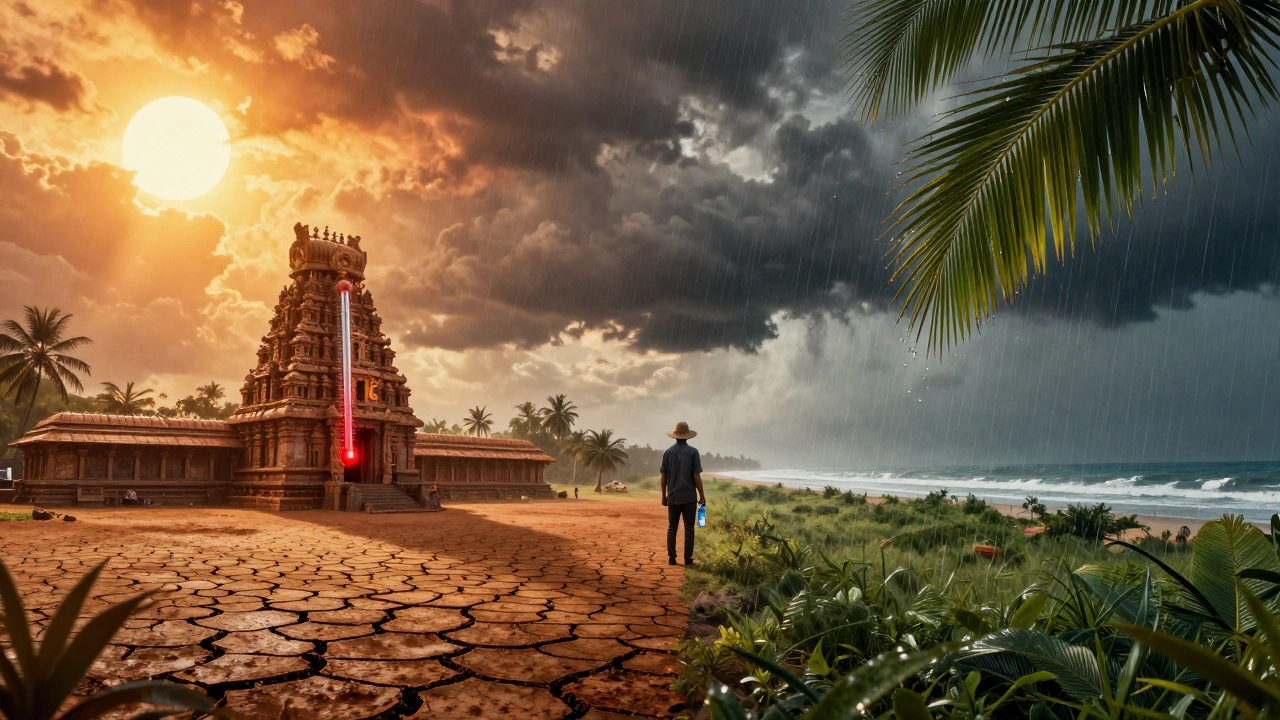
March is warm, yes-around 32°C-36°C-but it’s still manageable. The air is drier, and there’s less humidity. You can still enjoy beach walks and temple visits without feeling drained by noon.May? It’s a transition month. Early May is still hot, but by the end, the monsoon arrives. If you time it right-arriving just before the rains-you get the last of the dry heat with the promise of relief. But if you arrive in early May, you’re still in the danger zone.
April is the guaranteed peak. No guessing. No waiting. Just pure, unfiltered heat.
What Locals Do Differently
South Indians have lived with this heat for generations. They don’t fight it-they adapt.- They drink neem water or cooling herbal drinks like panakam (jaggery, lemon, ginger) to stay balanced.
- They eat lighter meals-rice, lentils, coconut-based curries, and raw mango pickle to stimulate appetite.
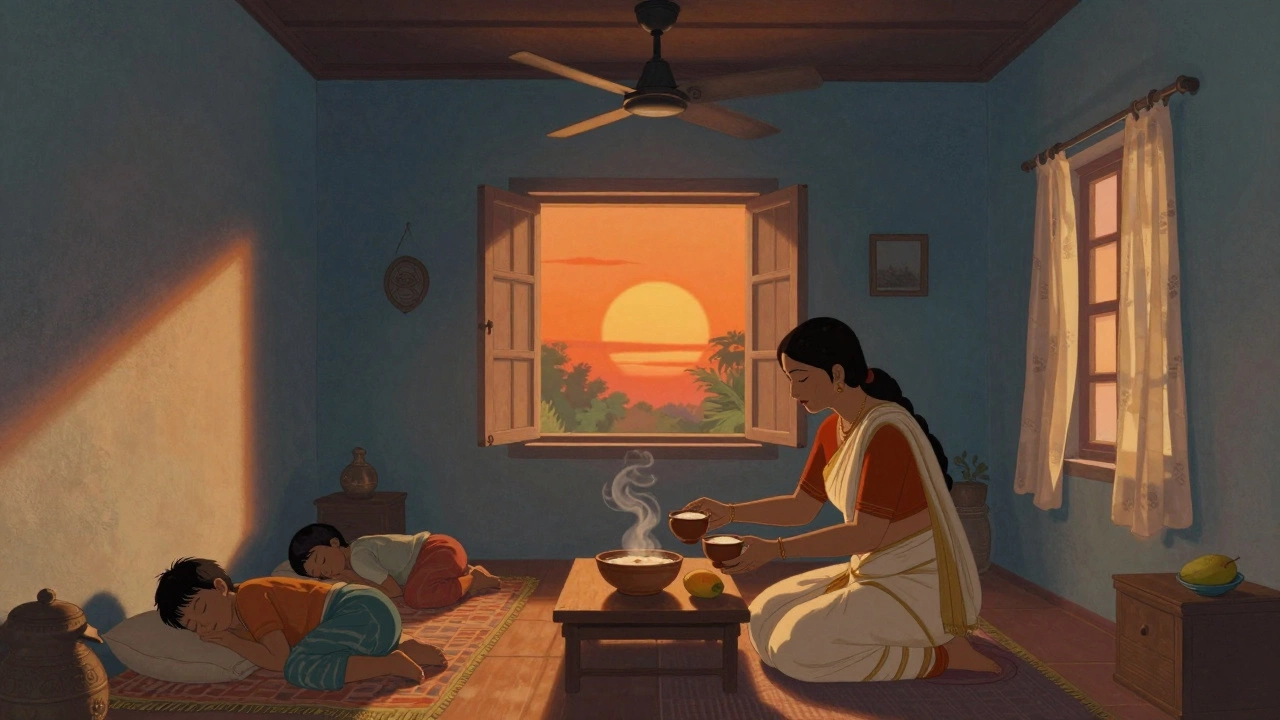
- They nap in the afternoon. Not because they’re lazy-they’re conserving energy.
- They avoid direct sunlight between 10 a.m. and 4 p.m. No one walks barefoot on hot pavement.
If you want to experience South India authentically during summer, follow their rhythm. Slow down. Eat local. Rest. It’s not about pushing through the heat-it’s about living with it.
Final Thought: Heat Isn’t the Enemy
South India in April isn’t a place to escape. It’s a place to understand. The heat is part of the rhythm-the same heat that dries the soil also ripens the mangoes, that makes the air thick also makes the temple bells echo louder, that forces you indoors also brings families together under fans, sharing stories.You won’t come back with sun-kissed skin. You’ll come back with a deeper sense of how people live when the world feels like a furnace. And that’s worth more than a perfect beach photo.
Is April the hottest month in all of South India?
Yes, April is consistently the hottest month across all major regions of South India-including Tamil Nadu, Kerala, Karnataka, Andhra Pradesh, and Telangana. While some areas may peak slightly earlier or later, April is the only month where every region simultaneously hits its highest temperatures, with no monsoon relief yet.
Can I visit South India in April if I’m not used to heat?
You can, but it’s not recommended unless you’re prepared. Temperatures regularly exceed 40°C, humidity is high, and the sun is intense. If you’re not acclimated, you risk heat exhaustion or heatstroke. If you do go, limit outdoor time, stay hydrated, and avoid midday activities. Consider visiting hill stations like Ooty, but even there, it’s warmer than you’d expect.
How does April heat compare to North India?
North India, especially cities like Delhi and Jaipur, can get hotter-sometimes above 45°C in May. But South India’s heat is more oppressive because of higher humidity. In North India, the air is dry, so sweat evaporates faster and it feels less suffocating. In South India, the moisture clings to you, making it harder to cool down even with shade and fans.
Are there any benefits to visiting in April?
Yes. Fewer tourists mean lower prices on hotels and tours. Temples and attractions are less crowded. You’ll get more personal attention from guides. Also, if you time your trip right, you might catch the very first monsoon showers in late April in Kerala, which can be a unique experience.
What should I pack for South India in April?
Light, breathable cotton clothes in light colors. A wide-brimmed hat, UV-blocking sunglasses, and sunscreen (SPF 50+). A reusable water bottle with electrolyte powder. A small towel for wiping sweat. A portable fan or cooling mist spray. Avoid dark fabrics, heavy shoes, and non-breathable materials. Pack a light raincoat too-just in case early monsoon showers arrive.