India Monsoon Travel Planner
Find Your Perfect Monsoon Dates
Monsoon Timing for
Best Travel Window
Local Tip:
If you’re planning a budget trip to India and want to avoid getting soaked - or worse, stranded - you need to know exactly when the rainy season hits. The monsoon isn’t just a weather pattern; it’s a full-on transformation of the country. Roads flood, trains delay, and some guesthouses shut down. But here’s the truth: the rainy season in India isn’t one big soggy blob. It rolls in at different times, depending on where you are. And if you time it right, you can score cheap stays, empty temples, and lush landscapes without the crowds.
When Does the Rainy Season Start in India?
The monsoon doesn’t hit all of India on the same day. It begins in late May or early June along the southern tip, in Kerala. By mid-June, it covers most of the country. The southwest monsoon, which brings 70% of India’s annual rainfall, usually arrives in Mumbai by June 10 and reaches Delhi by late June. If you’re traveling from south to north, you’ll feel the rain first in Kerala, then Karnataka, Tamil Nadu, and finally Uttar Pradesh and Rajasthan.
That means if you’re on a tight budget and want to avoid the heaviest downpours, aim for the very beginning or the very end of the season. Early June is still relatively dry in many places, and by late September, the rains are winding down. You’ll find hotels slashing prices - some by 40% or more - because most tourists have already left.
Which Months Are the Wettest?
The core rainy months are June, July, and August. These three months see the heaviest, most consistent rain across most of India. In cities like Mumbai, Chennai, Kolkata, and Bangalore, you’ll get daily showers that last for hours. In the Western Ghats and the northeastern states like Assam and Meghalaya, rainfall can hit over 10,000 mm in a season - that’s more than 30 feet of rain in a few months.
September is the transition month. Rain still falls, especially in the south and east, but the intensity drops. In North India, skies start clearing by mid-September. That’s why many budget travelers pick late August to early September - they get the greenery and lower prices without the constant flooding.
Regional Differences Matter
Not all of India gets soaked the same way. The west coast, including Goa and Maharashtra, gets slammed. Goa’s beaches are beautiful in the monsoon - quiet, lush, and cheap - but you won’t be swimming. The Arabian Sea is rough, and many beach shacks close.
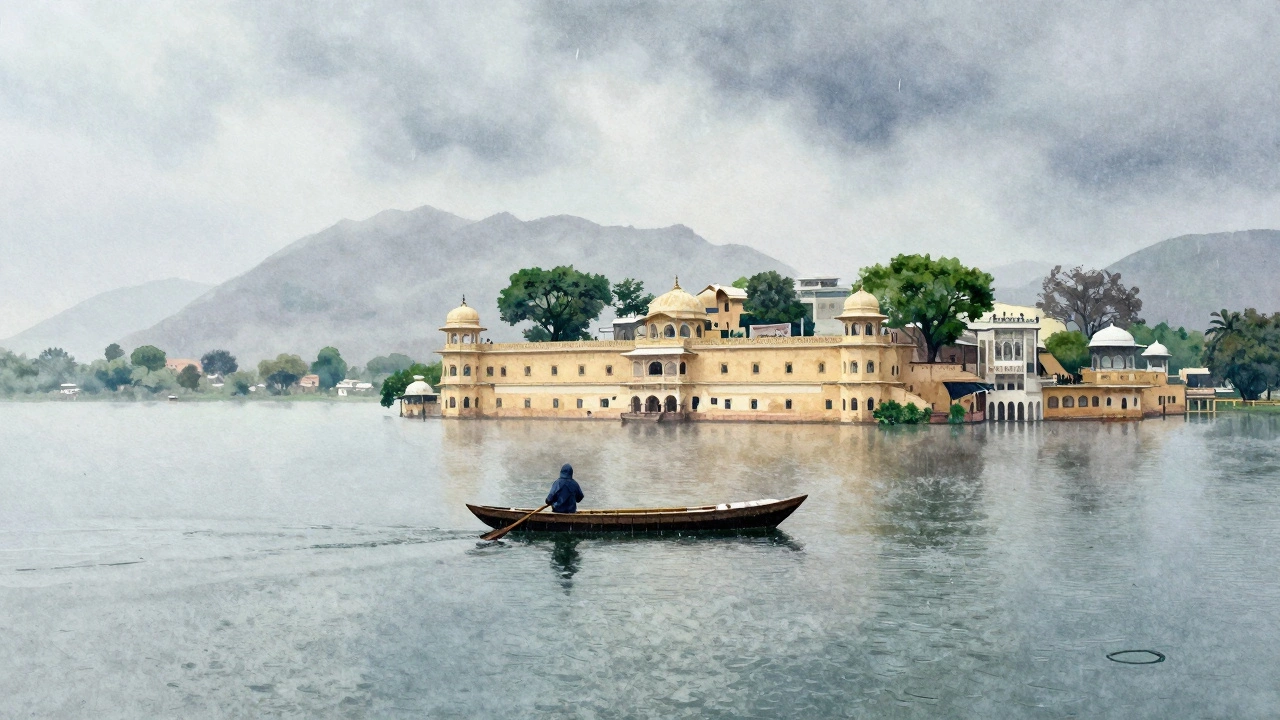
In contrast, Rajasthan and Gujarat barely get rain. Jaisalmer and Udaipur might see a few showers, but the desert stays mostly dry. That’s why some budget travelers use the monsoon to explore North India’s heritage sites - fewer crowds, lower prices, and cooler temperatures. The Taj Mahal in Agra? You might have it to yourself on a misty morning in July.
The northeast, especially Meghalaya and Assam, is a different story. Cherrapunji, known as one of the wettest places on Earth, gets rain almost every day. If you’re into hiking and waterfalls, this is paradise. But if you’re trying to catch a bus or train, prepare for delays.
Why Travel During the Monsoon on a Budget?
Most guidebooks tell you to avoid India’s rainy season. But they’re written for tourists who want perfect weather and Instagram shots. Budget travelers have a different goal: value.
Here’s what you get when you travel during monsoon:
- Accommodation discounts: Hostels and guesthouses in Goa, Kerala, and Rajasthan drop prices by 30-60%. A ₹1,500/night stay can drop to ₹600.
- Lower transport costs: Trains and buses fill up less. You can often upgrade to AC sleeper class for the same price as a regular seat in peak season.
- Fewer crowds: No lines at the Amber Fort, no jostling at the Golden Temple. You get space to breathe and take real photos.
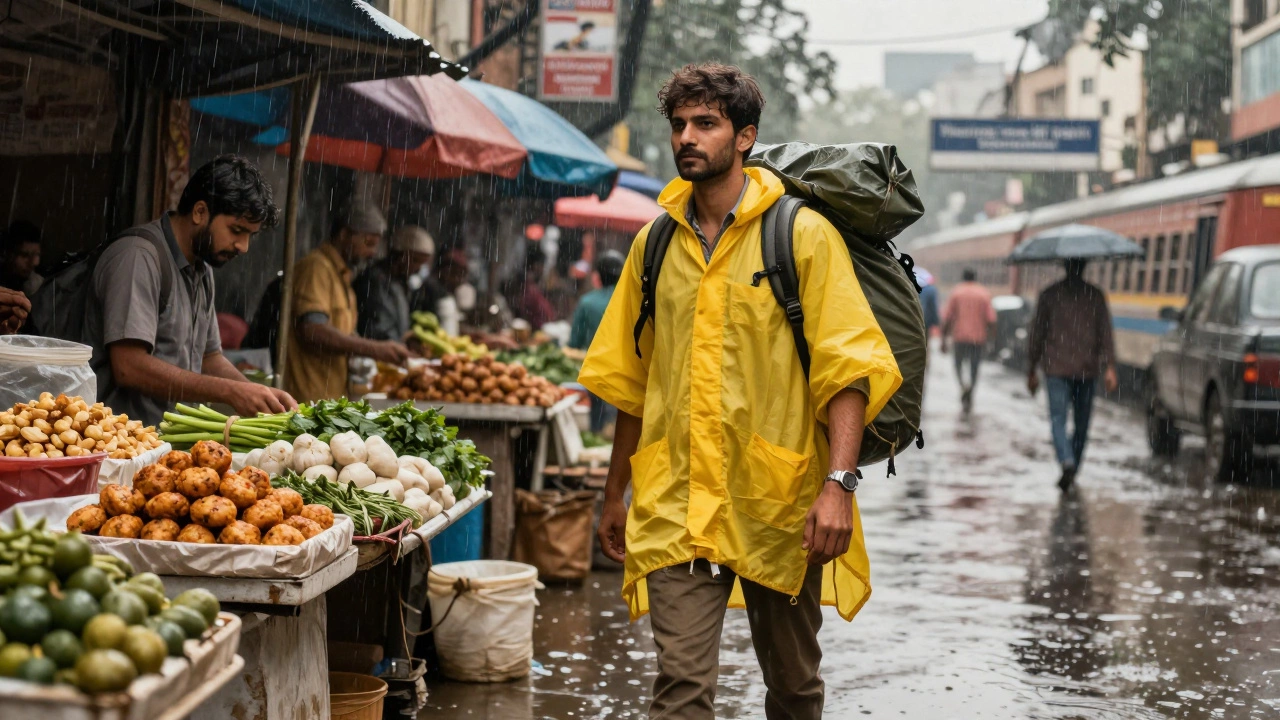
- Local experiences: Markets are alive with fresh mangoes, jackfruit, and monsoon snacks like bhutta (grilled corn) and pakoras. You’ll meet locals who actually have time to talk.
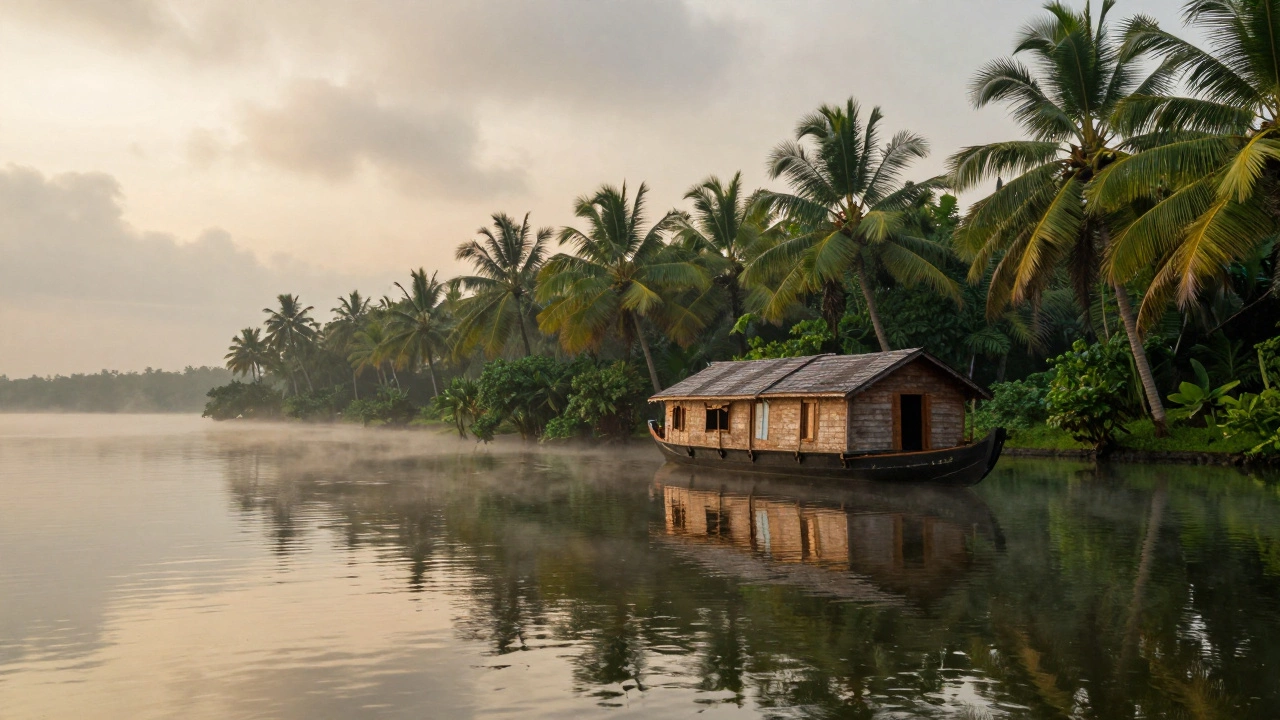
And the landscapes? Unbelievable. The Aravalli hills turn emerald. The backwaters of Kerala look like a watercolor painting. Even Delhi’s parks turn into thick, green jungles.
What to Pack for Monsoon Travel
You don’t need a waterproof tent. But you do need smart gear.
- Quick-dry clothes: Avoid cotton. It soaks up water and takes forever to dry. Look for synthetic blends or merino wool.
- Waterproof bag: A 30L dry sack for your essentials costs under ₹800 and saves your phone, passport, and charger.
- Compact umbrella: A sturdy, foldable one with a wind vent. Avoid the cheap plastic ones - they flip inside out in a breeze.
- Waterproof shoes: Sandals with good grip work better than sneakers. You’ll be wading through puddles, not hiking.
- Hand sanitizer and wet wipes: Public restrooms are often unusable during heavy rain. Be prepared.
And skip the raincoat. Most are flimsy and trap heat. A simple poncho from a local market costs ₹150 and works better.
What to Avoid During the Monsoon
Some things just aren’t worth it in the rain.
- Beach hopping in Goa: The sea is dangerous. Many beaches are closed. Stick to the hills or inland towns like Ponda.
- Long bus rides in the northeast: Landslides are common. Check road conditions daily.
- Outdoor treks in the Himalayas: Trails turn muddy and slippery. Leeches are everywhere. Save this for October.
- Expecting perfect weather: If you need sunny skies every day, come in winter. Monsoon travel is about embracing the rhythm of the rain.
Best Budget-Friendly Monsoon Destinations
Not all places suffer equally. Here are five spots where monsoon travel actually shines:
- Kerala: Backwaters are at their most serene. Stay in a houseboat for ₹1,200/night instead of ₹3,500 in December.
- Munnar: Tea plantations turn lush. Cool temperatures mean no AC needed. Hostels under ₹500/night.
- Udaipur: Fewer tourists. Lake Pichola looks magical with mist. Budget hotels drop to ₹800/night.
- Varanasi: The Ganges is full, and the ghats are quiet. Night aarti feels more spiritual without crowds.
- Cherrapunji: If you love waterfalls, this is the place. Basic guesthouses cost ₹600/night.
Is It Safe to Travel During the Monsoon?
Yes - if you’re smart. India’s infrastructure handles rain better than you think. Trains run on time most days. Local buses keep going. Cities like Delhi and Bengaluru have decent drainage now.
But don’t ignore the risks:
- Check weather alerts on India Meteorological Department (IMD) website - it’s free and updated hourly.
- Never drive through flooded roads. Even 6 inches of water can stall a car.
- Carry cash. ATMs can go down during storms.
- Buy travel insurance that covers weather delays - most budget policies now include it.
People live through the monsoon every year. You can too. Just move slow, stay flexible, and don’t try to cram too much into one day.
Final Tip: The Sweet Spot for Budget Travelers
If you want the best mix of low prices, decent weather, and still-open attractions, aim for late August to early September. The rain is lighter, the crowds are gone, and the land is bursting with color. You’ll get the full Indian monsoon experience - without the misery.
And here’s the secret: the locals love this season. They celebrate it with festivals like Onam in Kerala and Teej in Rajasthan. If you’re there during the rains, you’re not just avoiding the peak season - you’re stepping into a quieter, richer version of India.
What are the exact months of the rainy season in India?
The main rainy season in India runs from June to September, with the heaviest rains in July and August. The monsoon typically arrives in Kerala by late May or early June and covers most of the country by mid-June. It begins to withdraw from northern India by September, though southern regions like Tamil Nadu may still see rain into October.
Is it a good idea to visit India during the monsoon on a budget?
Yes - if you’re flexible. Accommodation prices drop by 30-60%, trains and buses are less crowded, and many attractions are nearly empty. You’ll get deeper cultural experiences and avoid tourist traps. Just avoid beach destinations and high-altitude treks. Focus on heritage sites, backwaters, and hill towns.
Which parts of India get the least rain during monsoon?
Rajasthan, Gujarat, and parts of Haryana and Punjab get very little rain during the monsoon. Jaisalmer and Ahmedabad might see just a few showers. These areas are ideal if you want to explore desert forts and temples without getting soaked. The Thar Desert stays dry, making it one of the few places where monsoon travel feels almost normal.
Can I still visit beaches in India during the rainy season?
You can visit beaches, but don’t expect to swim or sunbathe. The sea is rough, and many beach shacks close. Goa and Kerala’s beaches are beautiful in the monsoon - quiet, green, and empty - but swimming is dangerous. Focus on walks along the shore, local food stalls, and nearby hill viewpoints instead.
What’s the best way to get around India during the monsoon?
Trains are your best bet. They’re reliable, affordable, and run even during heavy rain. Buses are hit-or-miss - delays are common in the northeast and hilly areas. For short distances, use ride-hailing apps like Ola or Uber - they’re cheaper than taxis and often have waterproof options. Always check local weather before booking long-distance travel.