South India Travel Matchmaker
Find Your Perfect South Indian Destination
Answer a few quick questions to discover which South Indian state best matches your travel style.
Your Perfect South Indian Destination
Why This Destination?
Recommended Activities
When people ask which South Indian state is best for tourism, they’re really asking: Where will I have the most memorable trip? There’s no single answer because each state offers something totally different. You could be sipping coconut water on a quiet beach in Kerala, climbing ancient temple steps in Tamil Nadu, spotting tigers in Karnataka, or dancing to beachside beats in Goa. The best state for you depends on what kind of travel you’re after.
Kerala: The Backwaters and Beyond
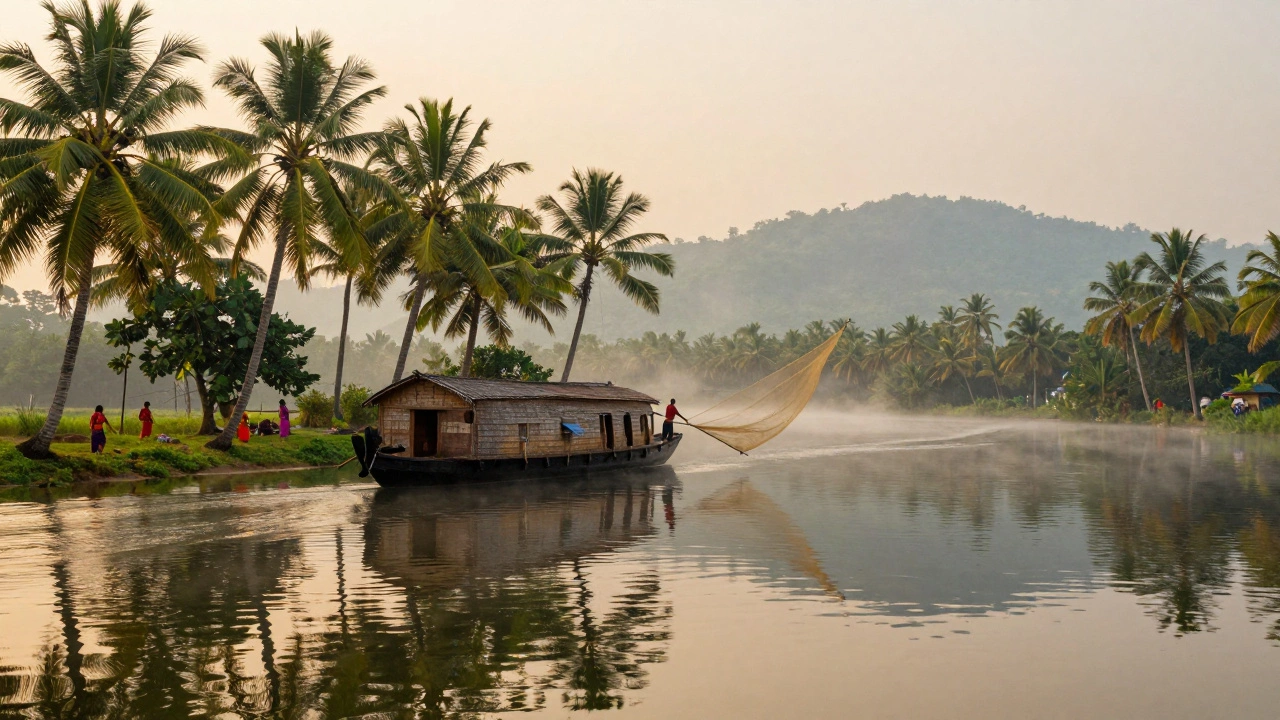
Kerala isn’t just about houseboats. It’s a place where green hills meet quiet lagoons, and spice plantations smell like history. If you want peace, nature, and slow travel, this is your state. The backwaters around Alleppey and Kumarakom let you drift through villages in a traditional wooden houseboat, with coconut palms leaning over the water and fishermen casting nets at dawn. It’s not a theme park-it’s real life, happening at a gentle pace.
There’s also the hill station of Munnar, where tea estates roll over mountains like green velvet. In Wayanad, you can hike through misty forests and see waterfalls that drop into hidden pools. And don’t skip the Ayurvedic retreats-many travelers come just for the massages and herbal treatments that leave them feeling lighter than they have in years.
Kerala’s beaches aren’t crowded like Goa’s. Places like Varkala and Marari are quiet, with golden sand and local cafés serving fresh seafood. The food? Coconut-based curries, steamed rice cakes, and fish cooked in banana leaves. It’s healthy, flavorful, and unlike anything else in India.
Tamil Nadu: Temples That Tell Stories
If you love history, architecture, and spiritual energy, Tamil Nadu is the heart of South India. It has more ancient temples than any other state, and they’re not just pretty-they’re alive with rituals, music, and centuries of tradition.
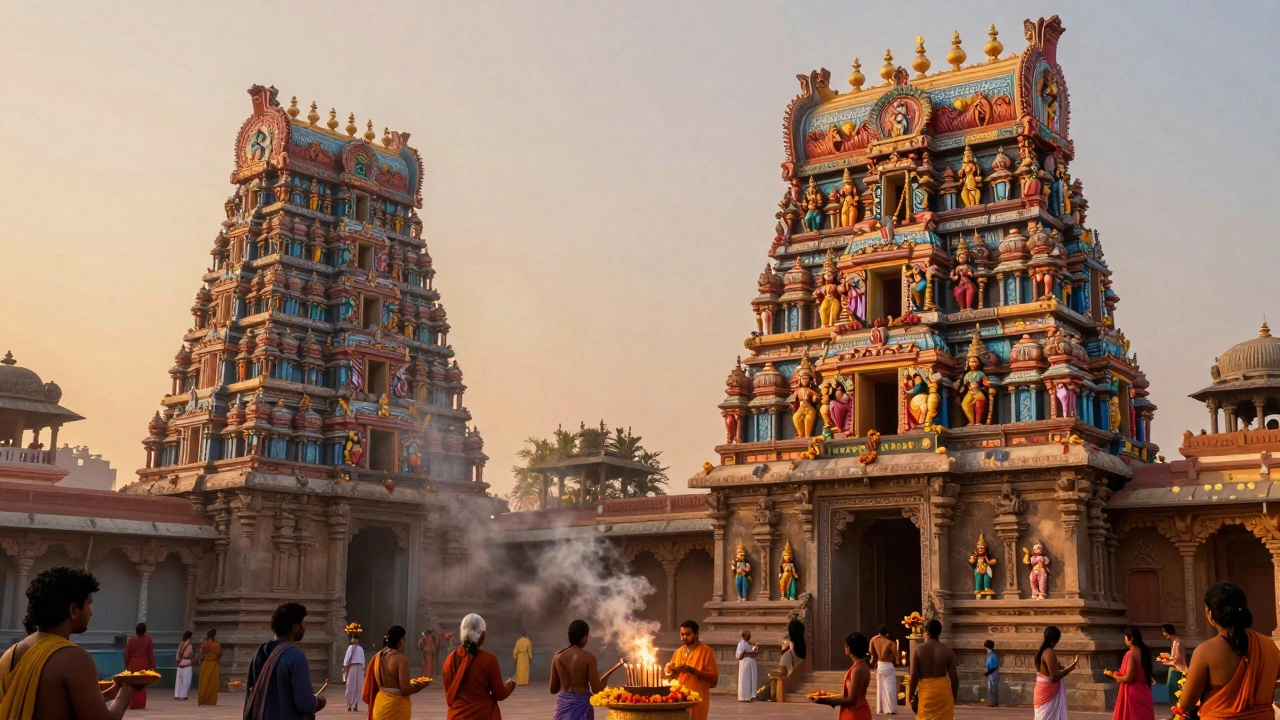
Madurai’s Meenakshi Temple is a maze of towers covered in painted gods and goddesses. At dawn, you’ll hear bells ring and priests chant as devotees offer flowers. In Thanjavur, the Brihadeeswarar Temple, built in 1010 AD, still stands taller than most modern buildings. Its shadow doesn’t move with the sun-a feat of engineering that still puzzles engineers today.
Chennai offers a different vibe: colonial buildings, bustling markets, and the longest beach in India. But the real magic is in the smaller towns. Kumbakonam’s temple fairs, Mahabalipuram’s stone carvings by the sea, and the quiet monasteries of Ooty all feel like stepping into another time.
Tamil Nadu’s festivals are unforgettable. The Chithirai Festival in Madurai draws 500,000 people. The float festival in Srirangam turns rivers into glowing processions. You don’t just watch-you feel it.
Karnataka: From Beaches to Jungles
Karnataka gives you variety without compromise. You can start your day at a quiet beach in Gokarna, where yoga mats line the sand and no loud music interrupts the waves. By afternoon, you’re hiking through the Western Ghats in Coorg, surrounded by coffee farms and mist-covered hills. At night, you’re in Mysore, walking past palaces lit by golden lamps.
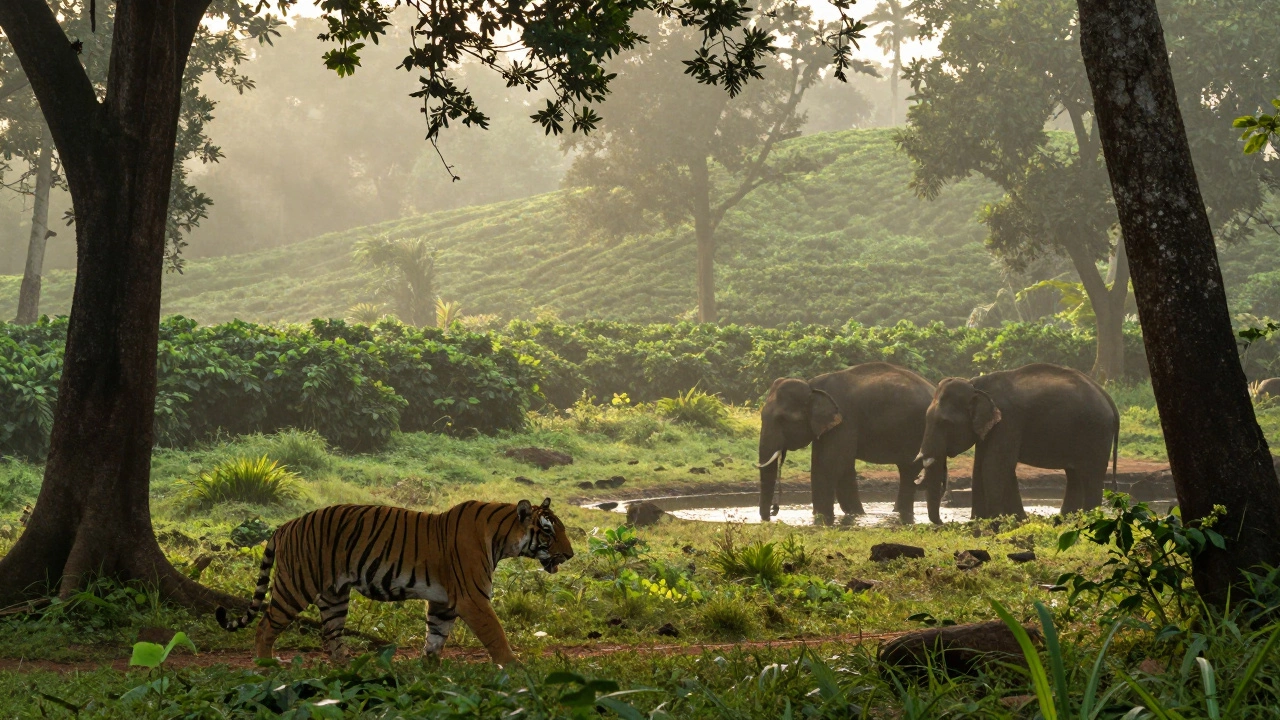
The state’s wildlife is some of the best in India. Bandipur and Nagarhole national parks are home to elephants, tigers, and leopards. Safari tours here are small, quiet, and guided by locals who know the forest like their own backyard. You won’t see crowds-just deer stepping out of the trees and birds calling from the canopy.
Bengaluru, the capital, is modern and fast-paced. But even here, you’ll find old temples tucked between tech parks. The city is also a food hub-try the spicy Mangalorean fish curry or the sweet Mysore pak, a buttery dessert made with gram flour and sugar.
Karnataka doesn’t shout. It whispers. And that’s why so many travelers come back.
Goa: Beaches, Bars, and Portuguese Echoes
Goa is the outlier. It’s not quiet. It’s not traditional. But it’s unforgettable. If you want sun, sand, and a party vibe, this is the place. Anjuna and Baga beaches have live music, beach clubs, and vendors selling fresh pineapple juice next to tattoo stalls.
But Goa isn’t just nightlife. The old Portuguese towns of Fontainhas and Margao still have pastel-colored houses, churches with ornate altars, and bakeries that sell bread baked the same way since the 1500s. You can tour a spice plantation, then sip feni-a local cashew liquor-on a rooftop overlooking the Arabian Sea.
Many people think Goa is only for young travelers. But families, retirees, and artists come too. The quieter beaches like Palolem and Agonda are perfect for reading under a parasol. And the food? Goan pork vindaloo, prawn balchão, and bebinca cake are unlike anything else in India.
Goa’s energy is electric. It’s not for everyone. But if you want to dance under the stars and wake up to the sound of waves, it’s hard to beat.
Andhra Pradesh and Telangana: The Hidden Gems
Most tourists skip these two states. That’s their secret. Andhra Pradesh has the spiritual center of Tirupati, where millions visit the Venkateswara Temple each year. The temple complex is one of the richest in the world-and the queues move faster than you’d expect.
Visakhapatnam, on the coast, has quiet beaches and a submarine museum. The Araku Valley is like Kerala’s hills but with fewer tourists. Coffee farms, tribal villages, and waterfalls make it perfect for slow travel.
Telangana’s highlight is Hyderabad. The Charminar, a 16th-century arch, stands in the middle of a bustling bazaar. The food here is legendary-biryani so good it’s called the best in India. The Golconda Fort, built by diamond traders, has walls that whisper when you clap your hands.
These states aren’t on every tourist map. But if you want authenticity without the crowds, they’re worth the detour.
Which State Should You Choose?
Here’s how to pick:
- For peace and nature: Kerala
- For temples and culture: Tamil Nadu
- For wildlife and quiet towns: Karnataka
- For beaches and nightlife: Goa
- For hidden history and food: Andhra Pradesh and Telangana
Most travelers pick one state. But if you have two weeks, combine two. Kerala and Tamil Nadu work well together-temple tours by day, backwater cruises by night. Karnataka and Goa are a great pair: jungle safaris and beach parties.
Don’t try to do all five. You’ll burn out. Pick what speaks to you. South India rewards intention, not itineraries.
When to Go
October to March is the best time. The weather is dry, cool, and perfect for walking. Monsoon season (June to September) brings heavy rain, especially in Kerala and Goa. Temperatures can hit 40°C in April and May-stick to air-conditioned rooms then.
For festivals, plan around:
- January: Pongal in Tamil Nadu
- February: Mysore Dasara
- March: Onam in Kerala
- November: Goa Carnival
These aren’t just events-they’re windows into how people live.
What You’ll Need
You don’t need much. Comfortable shoes. A light rain jacket. A scarf for temple visits (many require covered shoulders). Cash is still king in smaller towns. ATMs are easy to find in cities, but not always in villages.
Don’t expect luxury everywhere. Even in Kerala’s best resorts, rooms are simple. That’s part of the charm. You’re here for the experience, not the minibar.
And remember: South India is not a theme park. It’s a living culture. Be respectful. Ask before taking photos. Say thank you. Smile. You’ll get more than a postcard-you’ll get a memory.
Is South India safe for solo travelers?
Yes, South India is one of the safest regions in India for solo travelers. Cities like Kochi, Mysore, and Pondicherry have strong tourist infrastructure. Women travelers report feeling safe walking during the day, especially in temple towns and beach areas. Avoid isolated areas at night, as you would anywhere. Locals are generally helpful and curious, not aggressive. Trust your instincts, dress modestly near temples, and you’ll have no issues.
How many days do I need for South India?
Seven to ten days lets you explore one state well. If you want to see two states, aim for 12 to 14 days. For example, spend five days in Kerala (backwaters, Munnar, beach) and five in Tamil Nadu (Madurai, Thanjavur, Chennai). Rushing through all five states in two weeks leaves you tired and shallow. Slow travel works better here-stay longer in fewer places.
Can I visit South India on a budget?
Absolutely. A daily budget of ₹1,500-₹2,500 (about $18-$30 USD) covers a clean guesthouse, local meals, and public transport. Street food like dosas and idlis cost under ₹50. Temple entry fees are often free or under ₹100. Overnight trains between cities are cheap and comfortable. Luxury resorts exist, but you don’t need them. South India rewards simple travel.
What’s the best food to try in South India?
Start with dosa, idli, and sambar-breakfast staples found everywhere. In Kerala, try appam with stew or fish curry with rice. Tamil Nadu’s rasam soup and pongal are comforting. Karnataka’s bisibele bath and ragi mudde are hearty. Goa’s vindaloo and xacuti are spicy and rich. Hyderabad’s biryani is legendary. Don’t skip the filter coffee-it’s strong, sweet, and served in a steel tumbler. Eat where locals eat, not where the signs are in English.
Do I need a visa for South India?
Yes, if you’re not an Indian citizen. Most travelers need an e-Visa, which you can apply for online before departure. It takes about 72 hours and costs around $80 USD. Make sure your passport has at least six months of validity. The e-Visa covers all of India, including South India. No separate visa is needed for any state. Just carry your printed confirmation and passport.
Next Steps
Start with your travel style. If you crave calm, pick Kerala. If you want history, choose Tamil Nadu. If you’re drawn to wild places, go to Karnataka. If you want sun and rhythm, Goa waits. And if you’re tired of the usual spots, try Andhra or Telangana.
Book your flights early. Prices rise fast once the winter season starts. Pick one or two states. Pack light. Leave room for spontaneity. South India doesn’t need a perfect plan-it needs an open heart.