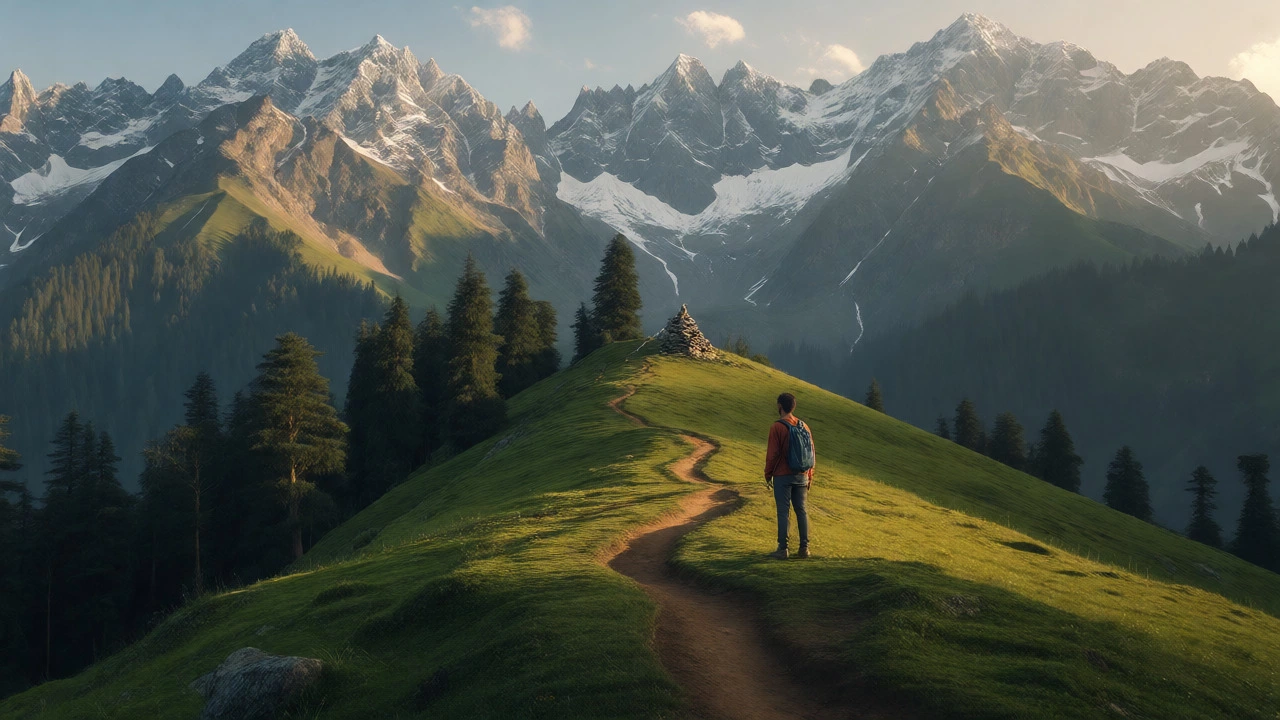
Beginner Trek Finder for India
Answer three simple questions to find your perfect first Himalayan adventure.
You’ve seen the photos. The snow-capped peaks, the prayer flags fluttering in the wind, the sense of achievement that comes with standing above the clouds. But let’s be honest: staring at a map of the Himalayas can feel like trying to read a menu in a language you don’t speak. Which mountain is safe? Which one won’t wreck your knees? And which one actually looks as good in person as it does on Instagram?
Here’s the thing about climbing mountains in India: you don’t need to summit K2 or even Kangchenjunga to get that rush. In fact, jumping straight into high-altitude, technical climbs is the fastest way to turn a dream vacation into a medical emergency. For beginners, the goal isn’t just reaching the top; it’s enjoying the journey without needing a rescue helicopter.
| Mountain / Trek Name | Location | Max Altitude | Difficulty | Best Time |
|---|---|---|---|---|
| Triund | Himachal Pradesh | 9,350 ft | Easy | Mar-Jun, Sep-Nov |
| Hampta Pass | Himachal Pradesh | 14,065 ft | Moderate-Easy | Jun-Sep |
| Goecha La | Sikkim | 15,000 ft | Moderate | Apr-May, Oct-Nov |
| Sandakphu | West Bengal/Sikkim | 11,980 ft | Easy-Moderate | Feb-May, Oct-Dec |
| Kedarkantha | Uttarakhand | 12,500 ft | Easy | Dec-Apr (Winter) |
Why Triund Is Often Called "The Gateway" to Himalayan Trekking
If you ask any seasoned trekker in McLeod Ganj what they recommend for their first time out, 90% will say Triund. Why? Because it strips away the fear factor while keeping the beauty intact. Located near Dharamshala in Himachal Pradesh, this isn’t a massive expedition requiring weeks of acclimatization. It’s a manageable uphill walk that takes about 4-6 hours depending on your pace and how many selfies you take along the way.
The trail is well-defined, mostly dirt and rock, with no dangerous cliffs or glacier crossings. You’re walking through dense pine forests that open up into vast meadows. The payoff? A panoramic view of the Dhauladhar range. Yes, you are technically "climbing," but you aren’t scrambling over loose scree where one slip means disaster. It’s perfect if you want to test your gear, check how your body reacts to altitude (around 2,850 meters), and see if you actually enjoy sleeping in tents before committing to bigger challenges.
Kedarkantha: The Winter Wonder for First-Timers
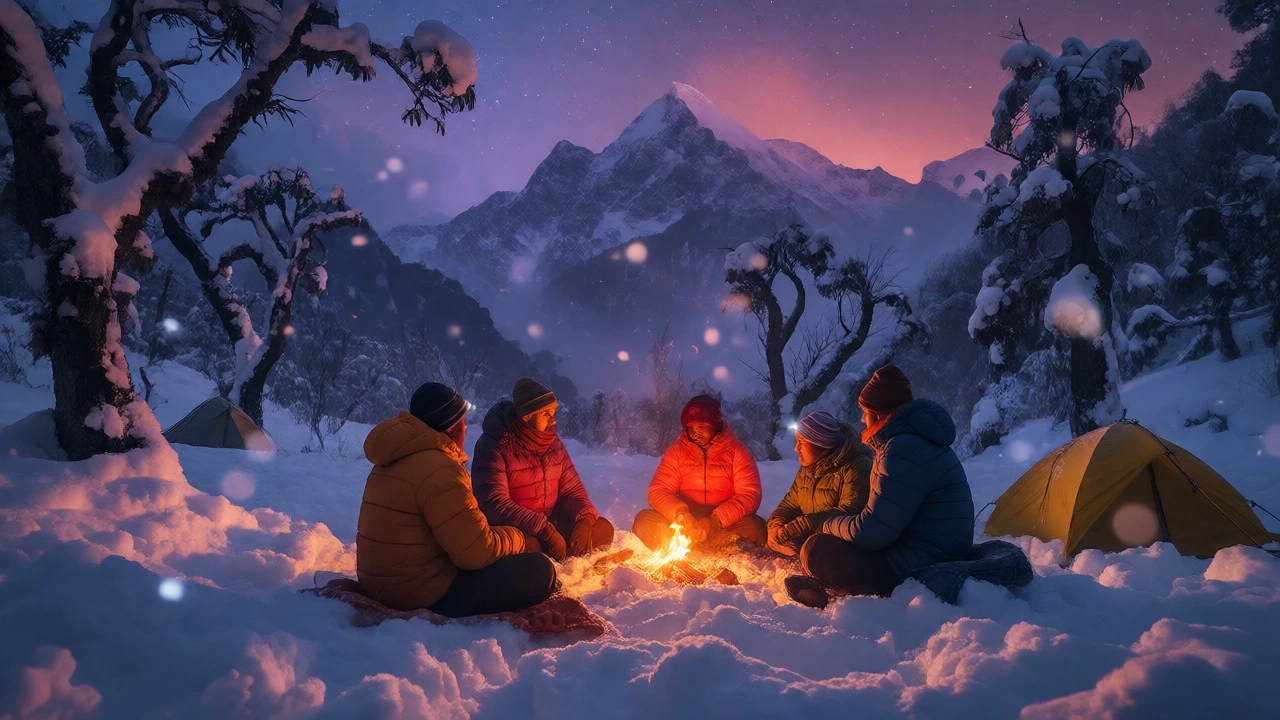
Most people think winter trekking is impossible for beginners. They imagine freezing nights and icy paths that require crampons. Enter Kedarkantha in Uttarakhand. This peak has become famous specifically because it offers a genuine snow trek experience without the brutal cold or technical difficulty of higher peaks.
The route from Sankri village is gradual. You spend your days walking through snow-covered oak and rhododendron forests. By the time you reach the summit at 12,500 feet, you’ve likely already acclimated naturally over four days. The key here is the infrastructure. Local guides and operators have established solid campsites with basic amenities. You’re not alone in the wilderness; you’re part of a community of other beginners making the same mistake-underestimating the cold until you’re buried under three layers of wool. It’s forgiving, scenic, and incredibly rewarding when you stand on top surrounded by peaks like Swargarohini.
Hampta Pass: Where Green Valleys Meet Snowy Barriers
Want variety? Hampta Pass gives you two different worlds in one trip. Starting in the lush, green Kullu Valley, you hike upward through forests and villages. Then, suddenly, you cross the pass into Lahaul-Spiti, a stark, barren landscape that looks like Mars. This contrast is unique to Hampta.
Is it harder than Triund? Yes. At 14,065 feet, the air is thinner. You might feel short of breath on the final ascent. But unlike true mountaineering, there’s no vertical wall to climb. It’s a steep hike. If you can walk briskly up a hill for an hour, you can do Hampta. The descent is easier, sliding down into the Chandra River valley. It teaches you about weather changes-how sunny mornings can turn into hailstorms in minutes-which is a critical lesson for any future climber.
Goecha La: The Sikkim Showstopper
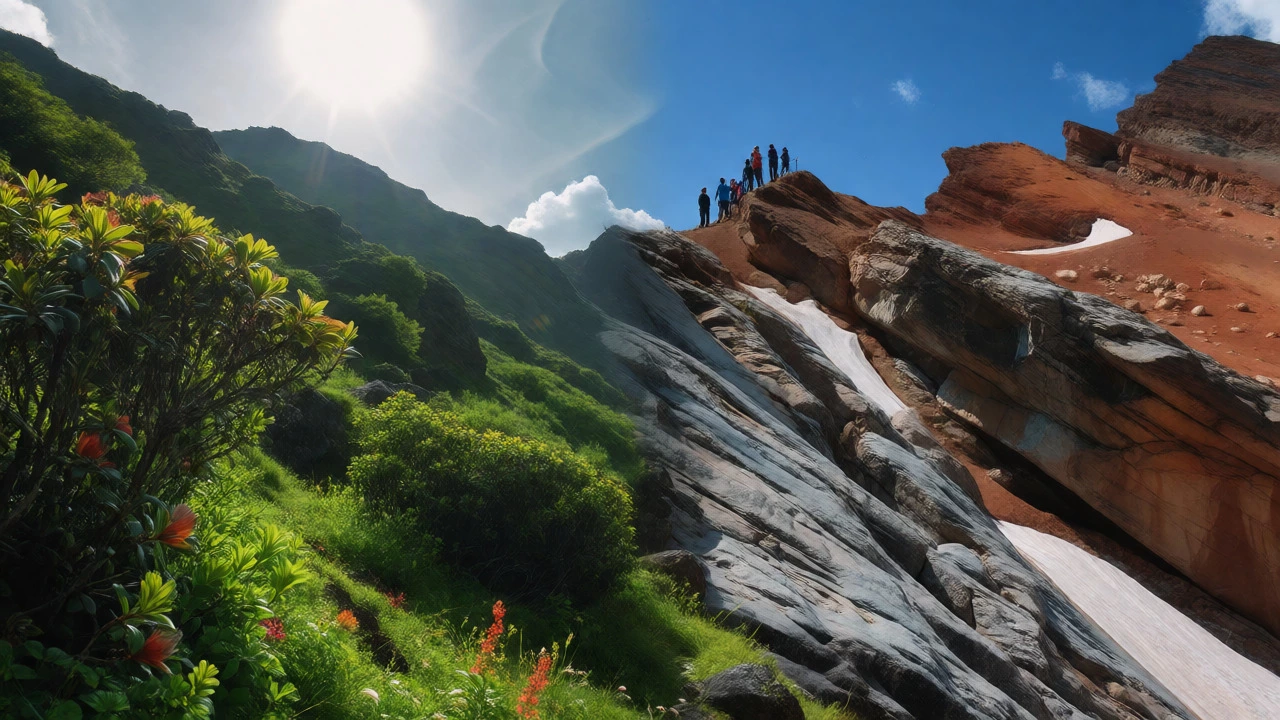
For those who want to see Mount Kanchenjunga up close, Goecha La in Sikkim is the answer. It’s not the highest peak in India, but the view of the world’s third-highest mountain from Goecha La is unmatched. The trek is longer, usually taking 7-8 days round trip, which allows for better acclimatization.
The path is wide and maintained, often shared with mules carrying supplies. This reduces the physical burden significantly. However, the altitude gain is steady. You’ll sleep at places like Dzongri Top, which sits above 12,000 feet. Many beginners struggle with headaches here, but staying hydrated and moving slowly solves most issues. The cultural aspect adds value too; you’re passing through Buddhist monasteries and interacting with local communities, adding depth to the physical challenge.
Sandakphu: The Easiest Way to See Four Eight-Thousanders
Located on the border of West Bengal and Nepal, Sandakphu is arguably the easiest high-altitude trek in India. Why? Because you can hire porters or mules for almost the entire route. You don’t even have to carry your backpack if you don’t want to. The trail is gentle, winding through tea plantations and rhododendron forests.
At 11,980 feet, it’s the highest point in West Bengal. On a clear day, you can see four of the five highest mountains in the world: Everest, Kanchenjunga, Lhotse, and Makalu. That’s a bragging right few beginner trekkers can claim. Since the gradient is mild, it’s ideal for older adults or families with teenagers. It proves that you don’t need to suffer to see the sublime.
What Makes a Mountain "Beginner-Friendly"?
It’s not just about height. A mountain can be 10,000 feet and still be deadly if the terrain is unstable. Here’s what you should look for when choosing your first climb:
- Altitude Gain per Day: Never exceed 1,000-1,500 feet of net gain per day. If a trek claims to take you from sea level to 12,000 feet in two days, run away.
- Terrain Stability: Avoid trails with significant river crossings during monsoon season. Muddy slopes are fine; slippery mud next to a cliff edge is not.
- Support Infrastructure: Are there teahouses or reliable camp sites? Being able to buy hot chai or rent a sleeping bag nearby is a safety net.
- Escape Routes: Can you turn back easily? On remote treks, turning back might mean waiting days for a vehicle. Popular routes have quicker exit options.
Common Mistakes Beginners Make in Indian Mountains
I’ve seen plenty of folks ruin their own trips by ignoring basic logic. The biggest error is buying expensive gear instead of renting. Do you really need $200 boots for Triund? Probably not. Rent them locally in Manali or Darjeeling. Save your money for better food.
Another mistake is rushing. People try to match the pace of guides who have been doing this for twenty years. Slow down. Walk at a pace where you can hold a conversation. If you’re gasping for air, you’re going too fast. Hydration is another killer. High altitude dehydrates you faster than you realize, leading to headaches and fatigue. Drink water constantly, even if you don’t feel thirsty.
Finally, underestimate the weather. The forecast might say "sunny," but mountain weather changes hourly. Pack layers. Always. A waterproof shell is non-negotiable, even in summer. Getting wet and cold at 10,000 feet can lead to hypothermia much faster than you’d expect.
Next Steps: Preparing for Your First Climb
So, you’ve picked your mountain. What now? Start training eight weeks in advance. You don’t need to lift weights, but you do need stamina. Walk on uneven surfaces. Stair climbing is excellent preparation for the vertical sections of treks like Kedarkantha. Cardio exercises like running or cycling help build the lung capacity needed for thinner air.
Check permits. Some areas in Sikkim and Ladakh require Inner Line Permits (ILP). Apply online beforehand to avoid last-minute hassles. Book accommodations early, especially during peak seasons like June-July and October-November. Last-minute bookings often mean poor quality rooms or no availability at all.
And remember, the mountain doesn’t care about your ego. If you feel unwell, tell your guide. Turning back is not failure; it’s wisdom. The summit will always be there next year. Your health won’t wait.
Do I need professional equipment for beginner treks in India?
No, you do not need professional mountaineering gear like ice axes or ropes for most beginner treks like Triund or Sandakphu. Basic hiking shoes, warm layers, and a rain jacket are sufficient. Most operators provide tents and sleeping bags.
Which is safer: Kedarkantha or Hampta Pass?
Kedarkantha is generally considered safer and easier due to its lower maximum altitude and well-established winter campsites. Hampta Pass involves crossing a high pass with potential snow and variable weather, making it slightly more challenging physically and logistically.
Can I do these treks solo?
While possible, it is highly recommended to join a group or hire a guide for your first trek. Guides know the terrain, weather patterns, and emergency protocols. Solo trekking requires navigation skills and self-reliance that beginners often lack.
What is the best month for beginner trekking in India?
October to November and March to May are generally the best months across most regions. These periods offer stable weather, clear skies, and moderate temperatures. Winter treks like Kedarkantha are best done from December to April.
How fit do I need to be to start?
You should be able to walk comfortably for 4-5 hours on flat ground and climb stairs for 15 minutes without severe breathlessness. Regular walking or jogging for 30 minutes daily for a month prior to the trek is adequate preparation for most beginner-level hikes.