India House Cost Calculator
Total Cost Estimate
Monthly Expenses
When you think of India as a budget travel destination, you’re probably picturing street food under ₹50, hostels for $5 a night, or train tickets that cost less than a coffee back home. But what if you’re not just visiting-you’re thinking of staying? Maybe you’re a digital nomad, a retiree, or someone dreaming of a quiet life by the sea without selling your house in the UK or US. The big question isn’t just how cheap India is-it’s how much does a house cost in India in US dollars?
What You Actually Get for Your Money
Let’s cut through the hype. A ₹20 lakh home in India doesn’t mean the same thing as a $20,000 house in the US. You need to understand what that money buys you in real terms.
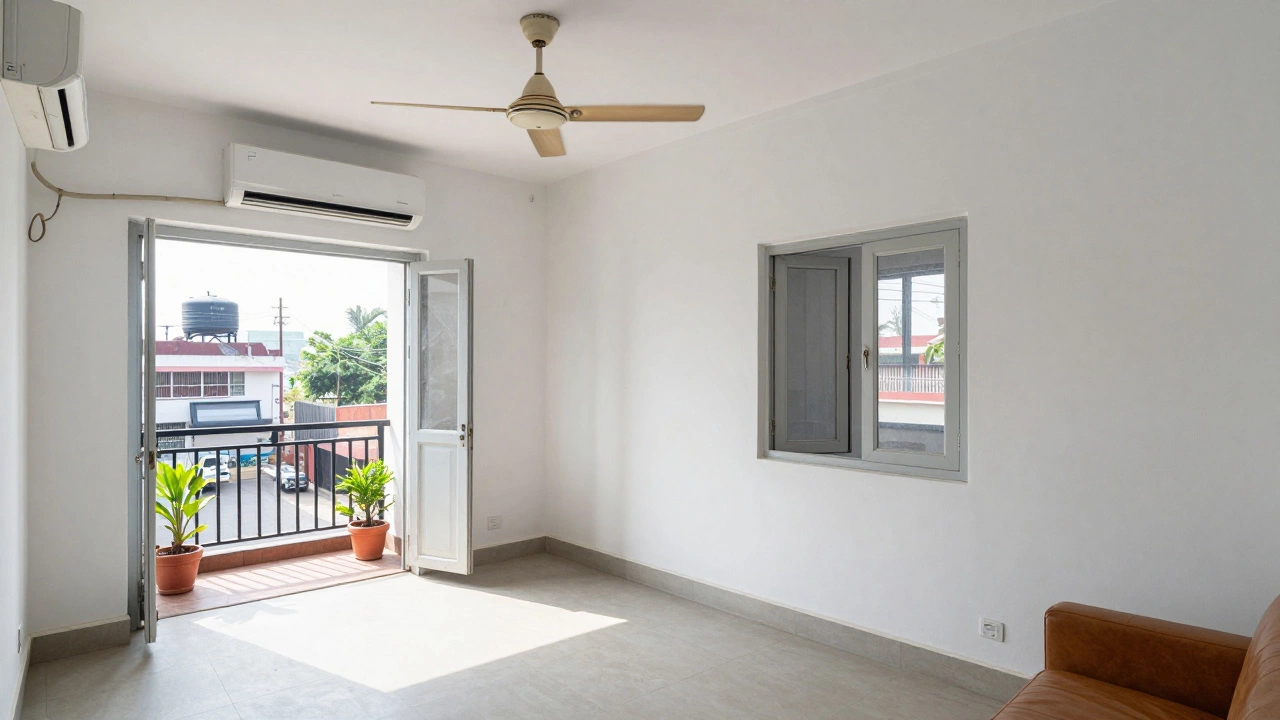
In a mid-sized city like Pune or Ahmedabad, you can buy a 2-bedroom apartment in a decent neighborhood for around ₹40-60 lakh (roughly $48,000-$72,000 USD). That’s not a tiny studio. It’s a full-sized flat with a kitchen, bathroom, living area, and often a balcony. It might not have a gym or a doorman, but it’s clean, safe, and connected to public transport.
Compare that to a similar-sized apartment in a mid-tier US city like Cleveland or Memphis-you’re looking at $120,000-$180,000. In India, you’re paying less than half. And that’s not even the cheapest option.
Where Houses Are Cheapest (and Where They’re Not)
Not all of India is cheap. The price of a house depends almost entirely on location.
- Smaller cities and towns (like Coimbatore, Indore, or Jaipur): A 2-bedroom house or apartment can cost as little as ₹25-35 lakh ($30,000-$42,000 USD). You’ll find older buildings, but they’re well-maintained and often include a courtyard or garden.
- Mid-sized metros (like Lucknow, Bhubaneswar, or Surat): Prices range from ₹40-70 lakh ($48,000-$84,000 USD). You get better infrastructure, newer construction, and access to hospitals and schools.
- Big cities (Mumbai, Delhi, Bengaluru): Forget buying a house for under $100,000. A 1-bedroom apartment in a decent area in Bengaluru might cost ₹1.2 crore ($144,000 USD). In South Mumbai, you’d need over $500,000 for a small flat.
- Coastal towns (Goa, Pondicherry, Gokarna): These are the exceptions. Even though they’re small, demand from foreigners and retirees pushes prices up. A basic 2-bedroom house in a quiet part of Goa might cost ₹80-1.2 crore ($96,000-$144,000 USD).
If you’re serious about buying, avoid tourist hotspots. Look inland. A house in a village near Mysore or a town along the Godavari River can cost under ₹20 lakh ($24,000 USD)-and that’s with land.
What’s Included (and What’s Not)
When you see a listing for ₹30 lakh, you’re not just paying for bricks and mortar. You’re paying for:
- Basic plumbing and electricity (often with backup generators)
- Water storage tanks (since supply isn’t always reliable)
- Security gates and sometimes a watchman
- Common areas in apartment complexes (gardens, parking)
But you’re not paying for:
- Central heating (you won’t need it)
- High-end appliances (you’ll buy them separately)
- Landscaped yards (most homes have simple courtyards)
- Home insurance (it’s rare and expensive)
Many buyers add ₹5-10 lakh ($6,000-$12,000 USD) for finishes-tiles, kitchen cabinets, air conditioners, and furniture. That’s not part of the base price. Think of it like buying a shell and finishing it yourself.

Taxes, Fees, and Hidden Costs
There’s no 3% closing fee like in the US. But India has its own set of costs.
- Registration fee: 1-2% of property value (varies by state)
- Stamp duty: 5-8% (higher in cities, lower in rural areas)
- Legal fees: ₹20,000-₹50,000 ($240-$600 USD) for a local lawyer to check titles
- Broker fees: 1-2% if you use an agent (many buyers skip this and deal directly)
That means on a ₹50 lakh house ($60,000 USD), you’ll pay another ₹4-6 lakh ($4,800-$7,200 USD) in fees. It’s not hidden-it’s just not listed in the ad.
Can Foreigners Buy Property in India?
Yes-but with limits. Foreign nationals who aren’t Indian citizens or Overseas Citizens of India (OCI) can’t buy land or agricultural property. But you can buy:
- Residential apartments
- Condominiums
- Commercial property (with RBI approval)
You don’t need to be a resident. You can buy with a tourist visa. But you can’t get a mortgage from an Indian bank unless you have an Indian income. That means you pay in cash or transfer funds from abroad.
Many expats use wire transfers through Wise or Remitly to send money directly to the seller’s account. The transaction is legal, traceable, and common.
Monthly Costs After You Buy
Buying the house is just the start. What does it cost to live in it?
- Maintenance: ₹1,000-₹3,000/month ($12-$36 USD) for apartment complexes
- Electricity: ₹1,500-₹3,000/month ($18-$36 USD) depending on AC use
- Water: Often included or under ₹500/month ($6 USD)
- Internet: ₹500-₹1,000/month ($6-$12 USD) for 100 Mbps
- Security: ₹1,000-₹2,000/month ($12-$24 USD) if your building has a guard
Total monthly cost? Around $70-$120 USD. That’s less than your Netflix subscription in the US.
Real Stories: What People Actually Pay
A British teacher retired in Coimbatore and bought a 2-bedroom house on a quiet street for ₹28 lakh ($33,600 USD). She paid ₹3.5 lakh in fees. Her monthly bills: $65. She hires a part-time helper for cleaning and cooking-₹15,000/month ($180 USD). She says it’s cheaper than renting in Bristol.
An American digital nomad bought a 1-bedroom apartment in Pondicherry for ₹52 lakh ($62,400 USD). He paid cash. He didn’t fix up the kitchen-he just bought a new stove and fridge. His total out-of-pocket: $68,000. He now works from his balcony, and his savings are growing.
These aren’t outliers. They’re typical.
Is Buying a House in India Right for You?
If you’re looking to escape high rent or property taxes back home, India offers real value. But it’s not for everyone.
Buy if:
- You want a quiet, slow-paced life
- You’re okay with handling repairs yourself or hiring local help
- You don’t need a swimming pool or smart home tech
- You’re planning to stay 3+ years
Avoid if:
- You expect instant resale value (the market moves slowly)
- You need a mortgage from a Western bank
- You’re not comfortable with paperwork and bureaucracy
The biggest surprise? Most people who buy in India don’t plan to live there full-time. They buy as a long-term investment, a backup home, or a place to retire. And for many, it works better than they expected.
Bottom Line: What $50,000 Buys You
With $50,000 USD, you can buy a solid, livable 2-bedroom home in a quiet Indian city. You’ll own it outright. Your monthly bills will be under $100. You’ll have space, safety, and peace.
That’s not a vacation. That’s a life change.
And if you’re still thinking of India as just a place to visit? You’re missing the bigger picture.
Can foreigners buy a house in India?
Yes, but only residential property like apartments or condos. Foreigners can’t buy farmland or standalone plots in rural areas. You don’t need residency, but you must pay in full-Indian banks won’t lend to non-residents. Transactions are legal through wire transfers, and many expats use services like Wise to send money.
How much does a 2-bedroom house cost in India in US dollars?
In smaller cities like Pune, Indore, or Coimbatore, a 2-bedroom house or apartment costs between $30,000 and $72,000 USD. In major cities like Mumbai or Bengaluru, prices start at $100,000 and go much higher. Location matters more than size.
Are there hidden costs when buying a house in India?
Yes. Registration fees (1-2%), stamp duty (5-8%), and legal fees ($240-$600) are standard. You’ll also need to budget for furniture, appliances, and finishing touches-these aren’t included in the listing price. Most buyers spend an extra $6,000-$12,000 after the purchase.
Is it cheaper to buy or rent a house in India?
Buying is almost always cheaper long-term. Renting a 2-bedroom apartment in a good area costs $300-$600/month. After 14-20 months, you’ve paid the equivalent of a full purchase price in rent. Owning eliminates rent, gives you equity, and locks in your housing cost.
What’s the easiest city for foreigners to buy a house in India?
Pune, Hyderabad, and Coimbatore are the most foreigner-friendly. They have large expat communities, English-speaking lawyers, and transparent property records. Avoid Goa and Pondicherry if you want low prices-demand from foreigners has driven costs up. Stick to inland cities for real value.