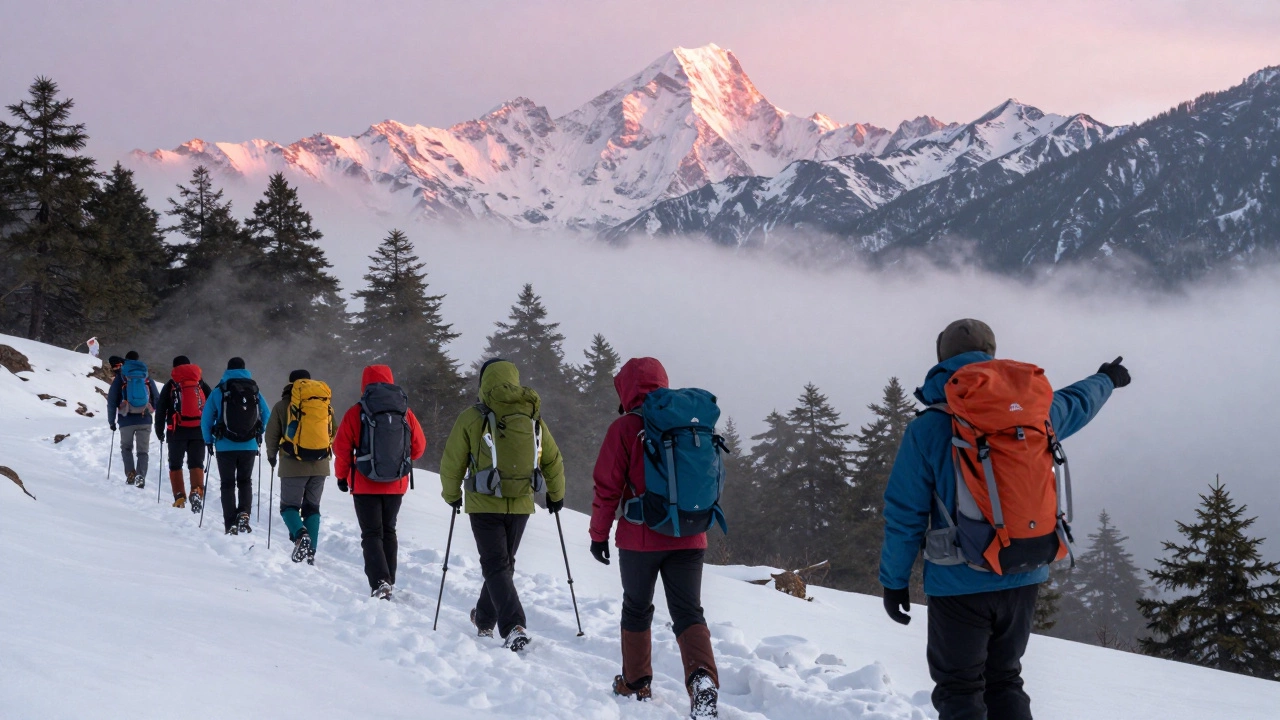
Trekking Cost Estimator
Estimate Your Trekking Costs
Get a realistic breakdown of costs for your Indian trek based on destination, duration, and preferences
When people ask how much trekking costs in India, they’re not just looking for a number-they want to know if they can actually afford it. The answer isn’t simple. A trek in the Himalayas can cost as little as $150 or as much as $2,000, depending on what you’re looking for. There’s no one-size-fits-all price. But if you know what drives the cost, you can plan a trip that fits your budget without sacrificing the experience.
What’s Included in a Trekking Package?
Most trekking packages in India bundle services together, so you need to understand what you’re paying for. A basic trek might include a guide, meals, and basic accommodation. A premium trek adds things like porters, oxygen tanks, high-end tents, and even hot showers. The big difference? Who’s carrying your gear.
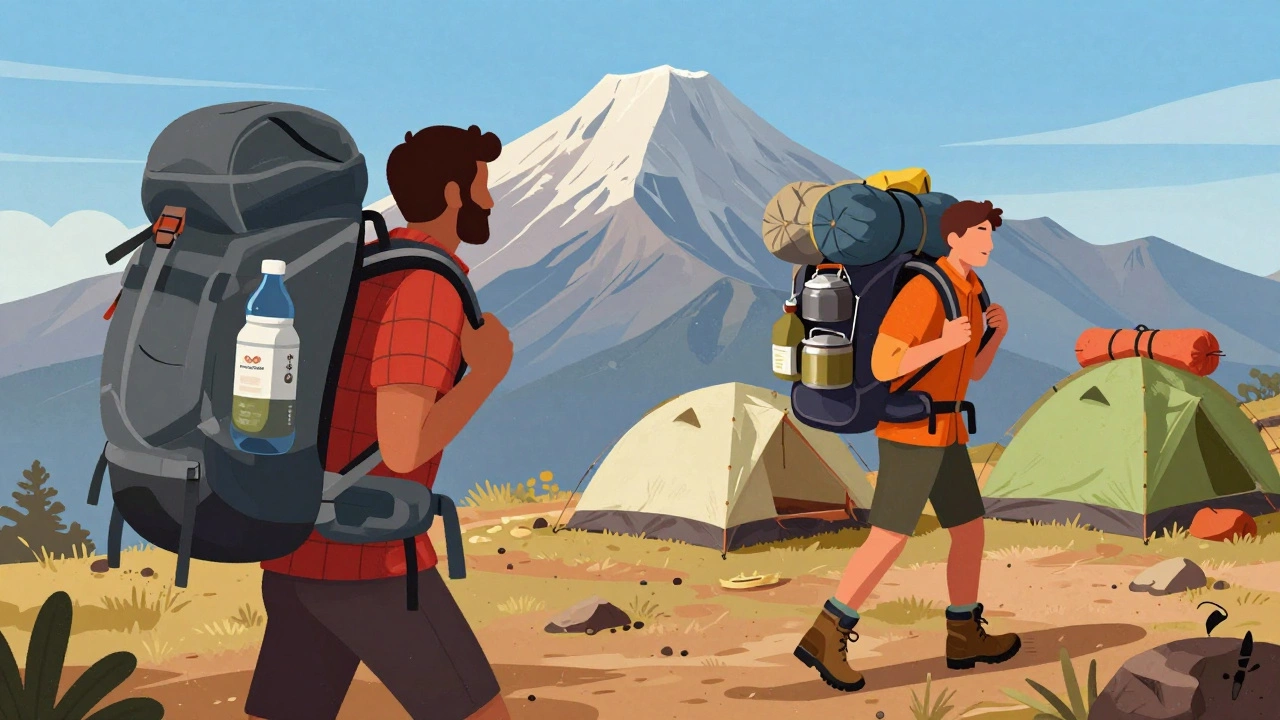
On a budget trek, you’ll carry your own backpack. On a guided expedition, porters handle everything-your sleeping bag, cooking gear, even your clothes. That service adds $30-$80 per day to the cost. If you’re fit and don’t mind a heavier pack, skipping porters cuts your price by 20-30%.
Food is another factor. Basic meals on a trek mean dal, rice, chapati, and tea. That’s fine for most people. But if you want protein shakes, energy bars, or gluten-free options, you’ll pay extra. Some operators charge $10-$15 extra per day for specialty diets. Don’t assume it’s included.
Popular Treks and Their Price Ranges
Not all treks are created equal. Here’s what you can expect to pay for the most popular routes in 2025:
- Hampta Pass (Himachal Pradesh): $120-$250 for 5 days. This is one of the easiest high-altitude treks. Great for beginners. Includes permits, camping gear, and meals.
- Kedarkantha (Uttarakhand): $140-$280 for 4-6 days. Popular in winter. Snow trekking adds complexity, so prices rise during December-February.
- Valley of Flowers (Uttarakhand): $180-$350 for 6-8 days. Requires a 2-day drive to the trailhead. Permits are limited and cost $20 extra per person.
- Markha Valley (Ladakh): $300-$600 for 7-10 days. High altitude (over 5,000m). Requires acclimatization days. Operators charge more because of logistics and risk.
- Everest Base Camp (Nepal side, but commonly booked from India): $700-$1,500 for 12-14 days. Includes flights to Kathmandu, permits, and helicopter evacuation insurance.
These prices are for group treks. Solo travelers often pay 20-50% more because operators can’t spread costs across multiple people. If you’re going alone, join a group. Most operators let you sign up for existing departures.
Permits, Fees, and Hidden Costs
Many people forget about permits. They’re not optional. In Uttarakhand, the Valley of Flowers requires a government permit that costs $20 per person. In Ladakh, the Inner Line Permit for places like Nubra Valley costs $30. In Sikkim, you need a Protected Area Permit for treks like Goecha La-$35 per person.
These aren’t hidden. But they’re often listed as "additional" on websites. Always ask: "Is this included?" before booking. Some operators charge $10-$20 extra just to process the paperwork.
Transportation is another surprise. Most packages assume you’ll reach the trailhead by shared jeep. But if you want a private vehicle, it adds $50-$150. In Ladakh, a 4x4 from Manali to Leh costs $80 per person. In the Himalayas, road conditions change fast. A bus might be delayed. A private ride saves time-and stress.
When to Go: Seasonal Price Swings
Timing affects price more than you think. In winter (November-February), prices drop for treks like Kedarkantha and Kuari Pass. Operators offer discounts to fill spots. You might save 30%.
But in peak season (April-June and September-October), prices jump. That’s when the weather is perfect, and everyone books. For example, the Roopkund trek, which costs $220 in May, can hit $380 in October.
Monsoon season (July-August) is cheap but risky. Trails get muddy, landslides happen, and some routes close. Only go if you’re experienced. Most operators don’t run treks during this time.
If you’re flexible, aim for shoulder seasons. Late March or early November. You get good weather, fewer crowds, and prices that are 15-25% lower than peak.
DIY vs Guided: Which Saves More?
Can you save money by going solo? Sometimes. But not always.
If you’re an experienced trekker with gear, you can book your own transport, stay in local guesthouses, and hire a guide for a day. For a 5-day trek, you might spend $100 total: $30 for transport, $20 for food, $15 for permits, $20 for a guide, and $15 for a basic tent.
But here’s the catch: you need to know where to sleep, how to get permits, and how to read altitude sickness symptoms. One mistake-like sleeping too high too fast-can cost you more than a guided trip.
Most first-timers save money by going with a group. You get safety, logistics, and experience bundled in. And you’re not paying for luxury. You’re paying for reliability.
What You Should Budget Beyond the Package
Even if your trek is $300, you’ll need extra cash. Here’s what most people forget:
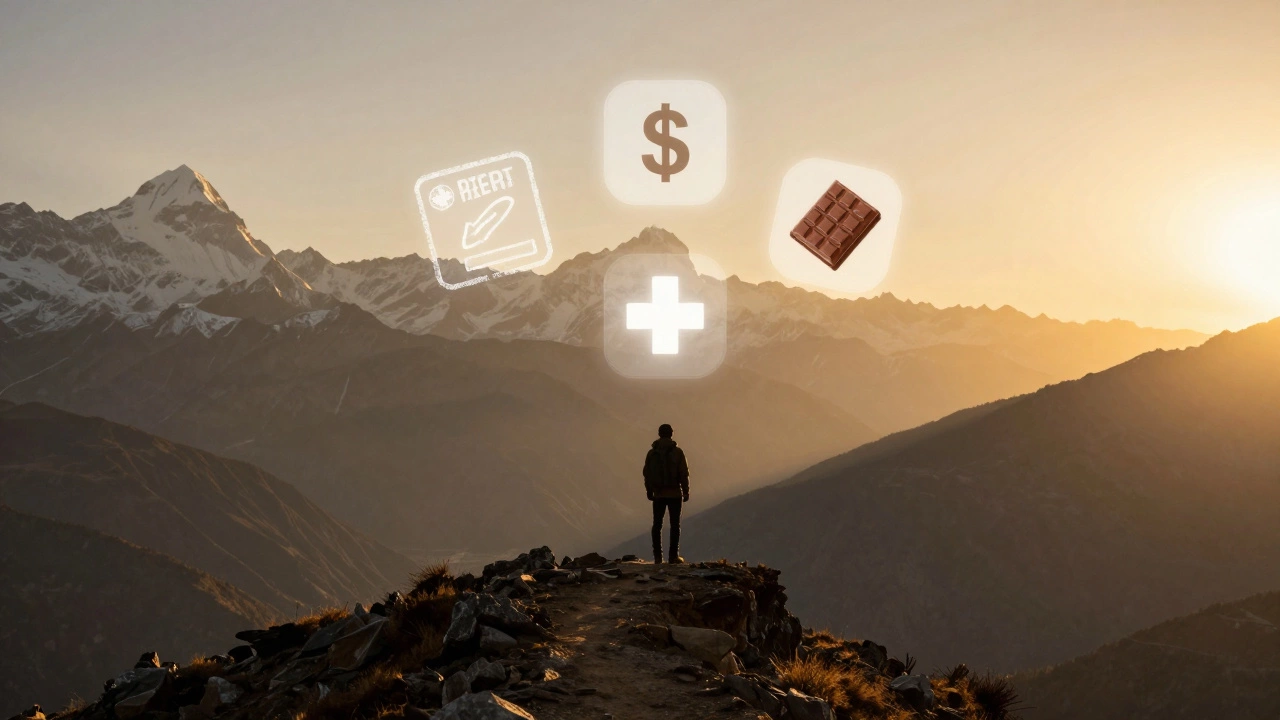
- Tips: $10-$20 total for guides and porters. Not mandatory, but expected. A good tip keeps you safe on future trips.
- Emergency fund: $50-$100. Weather changes. Flights get canceled. You need cash for last-minute hotels or transport.
- Travel insurance: $25-$60. This isn’t optional. Medical evacuation from the Himalayas costs $5,000+. Insurance covers that.
- Snacks and souvenirs: $20-$50. Chocolate bars, local honey, woolen caps. These add up.
Plan for $50-$100 extra on top of your package. Don’t rely on ATMs. Many trailheads have no banking services.
How to Find a Reliable Operator
Not all trekking companies are honest. Some advertise "all-inclusive" but charge you later for water, tents, or guides.
Look for operators registered with the Indian Mountaineering Foundation. They’re vetted. Check reviews on TripAdvisor and Reddit’s r/IndiaTravel. Look for mentions of:
- "No hidden fees"
- "Guide was trained in first aid"
- "Tents were waterproof"
Avoid operators who only have Instagram photos and no website. If they can’t show you a detailed itinerary with dates, altitudes, and meals, walk away.
Ask: "What happens if someone gets altitude sickness?" A good operator will have a clear evacuation plan. If they say, "We’ll carry them down," that’s not enough. They should have radios, oxygen, and backup porters.
Final Budget Example: A Real 6-Day Trek
Let’s say you’re doing Kedarkantha in April 2025:
- Trek package (group): $220
- Permits: $20
- Transport to trailhead: $40
- Travel insurance: $35
- Emergency cash: $60
- Tips: $15
- Snacks and souvenirs: $25
Total: $415
That’s not cheap. But it’s also not luxury. You’re sleeping in tents, eating simple food, and walking 6-8 hours a day. For that, it’s fair.
If you’re on a tighter budget, go in November. The same trek drops to $280 total. That’s still a life-changing experience.
Is It Worth It?
Trekking in India isn’t a vacation. It’s a test. Your legs, your lungs, your patience. But the views-glaciers at sunrise, valleys filled with wildflowers, silence so deep you hear your own heartbeat-are unforgettable.
Yes, you can spend $1,500 on a luxury trek with hot showers and private tents. But you don’t need to. The mountains don’t care if your sleeping bag is branded or borrowed.
What matters is preparation. Know the cost. Know the risks. Know your limits. And then go. The trail will reward you.
Is trekking in India safe for beginners?
Yes, if you choose the right trek. Routes like Kedarkantha and Hampta Pass are designed for first-timers. They’re not technically hard, and most operators provide guides trained in altitude safety. Start with a 4-6 day trek under 4,500 meters. Avoid high-altitude treks like Everest Base Camp until you’ve done at least one shorter hike.
Do I need a visa to trek in India?
Yes, most travelers need an Indian visa. You can apply online for an e-Tourist Visa, which costs around $80 and takes 3-5 days to process. Make sure your passport is valid for at least 6 months beyond your trip date. Some trekking regions like Ladakh and Sikkim require additional permits on top of your visa.
Can I trek in India without a guide?
You can on some trails, like parts of the Valley of Flowers or Nag Tibba. But in remote areas like Ladakh or Sikkim, guides are mandatory. Even where it’s allowed, going solo is risky. Trails aren’t always marked, weather changes fast, and cell service is nonexistent. A local guide knows where to find water, how to read the sky, and when to turn back.
What’s the best time to trek in India?
The best months are April-June and September-October. The weather is stable, skies are clear, and trails are dry. Avoid monsoon season (July-August) due to landslides. Winter treks (November-February) are possible in lower-altitude areas like Kedarkantha, but you’ll need winter gear. High-altitude treks like Markha Valley are closed in winter.
How do I avoid altitude sickness?
Go slow. Don’t climb more than 300-500 meters in elevation per day after reaching 3,000 meters. Drink 3-4 liters of water daily. Avoid alcohol and caffeine. Sleep at a lower altitude than you climbed to. If you feel dizzy, nauseous, or have a headache, stop climbing. Descend if symptoms worsen. Most reputable operators carry oxygen and will turn back if needed.
Are there female-only trekking groups in India?
Yes. Several operators like Women Who Trek and Trek the Himalayas offer all-female groups. These are popular and safe, with female guides and gender-separated tents. They’re often more expensive because of smaller group sizes, but they provide peace of mind for solo female travelers.