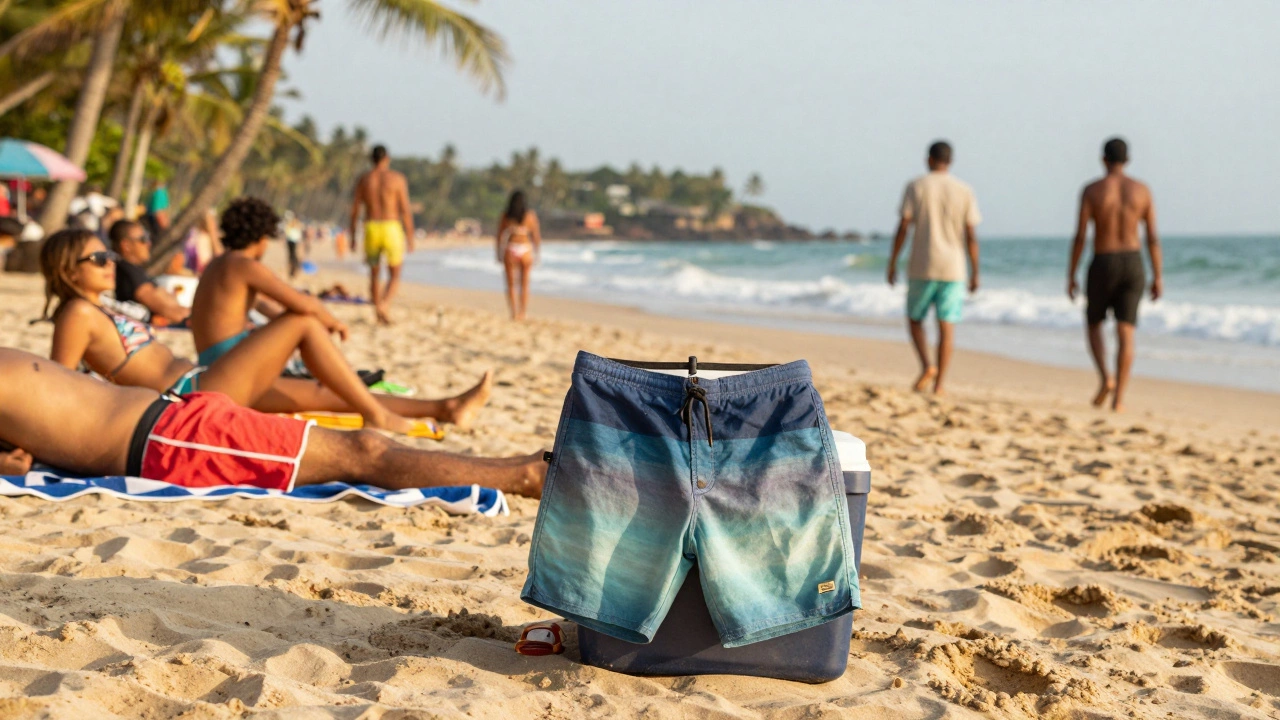
If you’re packing for Goa, you’re probably wondering: shorts-are they a no-go or totally fine? The answer isn’t black and white, but it’s a lot simpler than most travelers think. You can wear shorts in Goa. No one will arrest you. No one will stare. But where you wear them, and when, makes all the difference.
Beaches? Absolutely.
On Goa’s beaches, shorts are normal. You’ll see tourists and locals alike in board shorts, linen shorts, crop shorts, even tiny swim trunks. Baga, Calangute, Anjuna, and Palolem beaches are packed with people in shorts every day. It’s the beach. That’s what you wear. The only rule? Keep it clean. No ripped, stained, or overly baggy shorts that look like they’ve been through a laundry disaster. Most locals don’t wear shorts on the sand unless they’re swimming or lounging right by the water. But if you’re a tourist? Go ahead. You’re expected to.
Women in bikinis and men in swim shorts walk around barefoot with towels slung over their shoulders. It’s not just accepted-it’s the default. Even in quieter spots like Morjim or Arambol, where the vibe leans more boho, shorts are common. You’ll see yoga pants, loose linen shorts, and even knee-length cotton shorts worn by older expats who’ve lived here for decades. No one bats an eye.
But Step Off the Sand? Adjust Your Look.
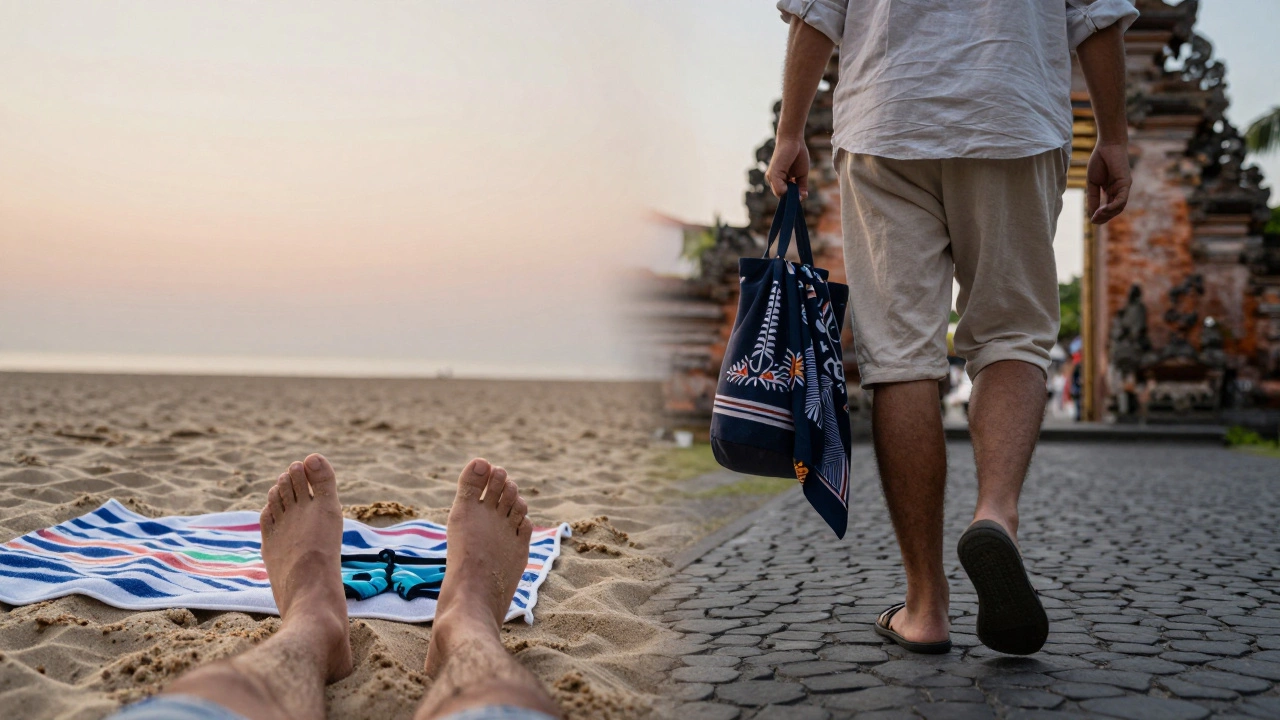
Here’s where people get tripped up. Walking into a restaurant, temple, or market in your beach shorts? That’s a different story. Goa is a mix of Portuguese colonial charm, Hindu traditions, and global tourism. And while it’s relaxed, it’s not lawless.
Most local restaurants, especially family-run ones in Panjim, Fontainhas, or Old Goa, expect you to cover your legs a bit. Not because they’re strict, but because it’s polite. You don’t need a full pair of jeans, but swap those 5-inch gym shorts for something longer-like chinos, linen pants, or knee-length shorts. Many cafes and bars in North Goa (like in Anjuna or Vagator) are fine with shorts, but if you’re heading to a place with wooden floors, candles, and live acoustic music, you’ll blend in better with longer shorts or light trousers.
And if you’re visiting a temple? Skip the shorts. Temples like Shri Mangeshi or Shri Mahalasa in Mardol require modest dress. Men should wear pants or long dhotis. Women should cover shoulders and knees. You’ll see signs at temple entrances, and staff will politely ask you to cover up if you’re not dressed right. They’ll even loan you a shawl or sarong if you forgot. No shame. Just awareness.
What Do Goans Actually Wear?
It helps to know what locals are wearing so you don’t stand out like a tourist in a neon tank top. Goan men often wear cotton shirts with rolled-up sleeves and knee-length shorts-especially in the heat. Women wear salwar kameez, sarees, or long tunics with leggings. Even in summer, you won’t see many locals in tiny shorts unless they’re at the beach.
That doesn’t mean you have to dress like them. But if you want to feel welcome, not judged, aim for what locals call “respectful casual.” That means: no bare midriffs, no see-through fabrics, no shorts above mid-thigh in town. A 7-inch short is fine. A 3-inch short? Save it for the beach.

Season Matters Too
Goa has two real seasons: beach season (October to March) and monsoon (June to September). During peak season, the streets are full of tourists. Shorts are everywhere. No one cares. But during monsoon, things slow down. Locals wear raincoats and long pants. Tourists? They’re fewer, and those who are here tend to dress more conservatively out of necessity.
And don’t forget: December to February is the coolest time of year. Evenings can dip to 22°C. If you’re walking around Panjim after sunset in just shorts and a tank top, you’ll get chilly. Pack a light shawl or long-sleeve shirt. It’s not about rules-it’s about comfort.
What Not to Wear (Even If You Think It’s Fine)
Some things just don’t fly, no matter how relaxed Goa seems.
- Swimwear outside the beach-no one wants to see your bikini bottom in a supermarket.
- See-through tops or crop tops without coverage-even if you’re in a bar, it draws unwanted attention.
- Flip-flops in upscale places-you can wear them to a beach shack, but not to a fine-dining restaurant like Tito’s or La Plage.
- Revealing lingerie as outerwear-yes, this happens. And yes, it makes locals uncomfortable.
Goa is not Mumbai or Delhi. It’s more open. But it’s not a nudist colony. Respect the culture, and you’ll be treated like family.
What to Pack: A Simple Checklist
Here’s what actually works:
- 2-3 pairs of knee-length or mid-thigh shorts (cotton or linen)
- 1-2 light, loose trousers or capris
- 3-4 breathable tops (tank tops, tees, tunics)
- 1 long-sleeve shirt for evenings or temples
- 1 sarong or light scarf (for temple visits or sun protection)
- Comfortable sandals (not flip-flops for walking far)
- One pair of closed shoes for hiking or long walks
You don’t need a suitcase full of clothes. Pack smart. You’ll be surprised how little you need.
Real Talk: What Happens If You Break the Rules?
Let’s be honest. Most tourists wear whatever they want. And most of the time, nothing happens. You won’t get fined. You won’t be kicked out. But you might get stared at. You might get a side-eye from a grandmother at the temple gate. You might have a waiter ask, “Do you want to sit inside? Or outside?”-which is their polite way of saying, “You’re dressed like you’re still on the beach.”
Goa doesn’t punish you. It just watches. And if you want to feel like you belong, not like an outsider, you adjust. It’s not about shame. It’s about showing up with awareness.
One traveler told me she wore tiny shorts to a local market in Mapusa. A vendor smiled and handed her a free coconut. Then he said, “You’re welcome here. But next time, wear a longer pair. The sun is strong, and your legs will burn.” She did. And she came back the next day with a new pair of shorts-and a new friend.
Final Rule: When in Doubt, Cover Up
Goa is one of the most relaxed places in India. But it’s still India. And in India, clothing is tied to respect. You don’t have to dress like a monk. But you don’t have to flash your skin either.
Ask yourself: “Would I wear this to my neighbor’s house in Bristol?” If the answer’s no, maybe leave it in your suitcase.
Wear shorts on the beach. Wear longer pants in town. Cover your shoulders at temples. Be cool, not careless. And you’ll have one of the best beach experiences in Asia.
Can I wear shorts to a Goa temple?
No. Most temples in Goa require modest dress-knees and shoulders covered. Men should wear long pants or dhotis; women should wear sarees, salwar kameez, or long skirts. Some temples provide shawls or sarongs if you’re not dressed appropriately, but it’s better to come prepared.
Are short shorts acceptable on Goa’s beaches?
Yes. On beaches like Baga, Calangute, or Anjuna, even tiny swim trunks are normal. Tourists wear them, locals wear them. The beach is the one place where you don’t need to cover up. Just avoid wearing them in restaurants or markets.
Do I need to cover up in Goa bars and restaurants?
It depends. Beach shacks and casual bars in North Goa are fine with shorts and tank tops. But upscale restaurants, especially in Panjim or South Goa, expect longer shorts or light trousers. When in doubt, opt for knee-length shorts and a modest top.
Is it okay for women to wear bikinis in Goa?
Yes, but only on the beach. Bikinis are common on Goa’s beaches, especially in tourist-heavy areas. But never wear one to a market, temple, or restaurant. Cover up with a sarong or cover-up when walking away from the sand.
What’s the best fabric to wear in Goa’s heat?
Cotton and linen are your best friends. They breathe, wick sweat, and dry fast. Avoid synthetic fabrics like polyester-they trap heat and smell after one day. Goan markets sell lightweight cotton kurtas and shorts for under ₹300. Buy local and stay cool.