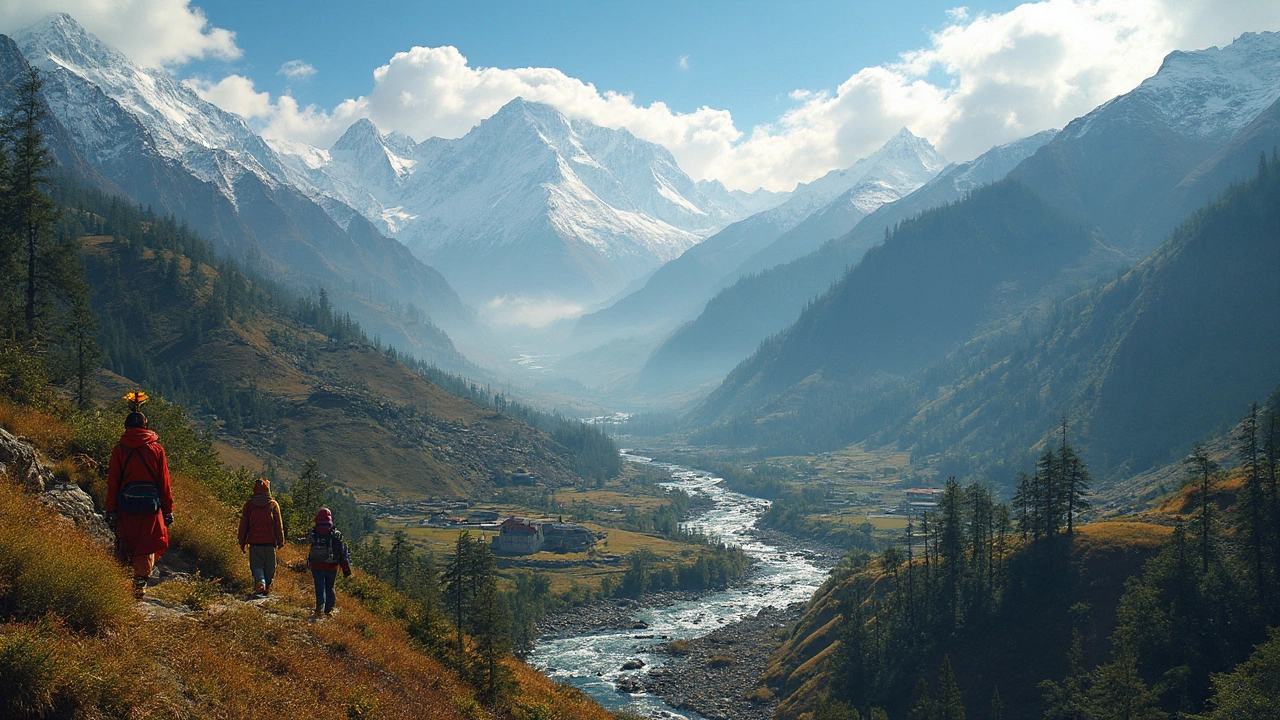
Himalayan trail
When you think of the Himalayan trail, a network of high-altitude paths winding through India’s northern mountains, used by pilgrims, trekkers, and locals for centuries. Also known as Himalayan trekking routes, it’s not just a hike—it’s a passage through culture, silence, and sky. This isn’t a single path. It’s dozens of trails, from the crowded road to Kedarnath to the lonely ridge above Spiti Valley, each with its own rhythm, risk, and reward.
The Himalayan trail connects to trekking in India, a growing outdoor culture fueled by local guides, budget-friendly gear rentals, and communities that welcome strangers as guests. You’ll find young backpackers with light packs and old men carrying prayer flags, all moving at their own pace. These trails don’t need fancy gear—just good shoes, a warm jacket, and the will to keep walking. And they’re not just for fitness. People come for clarity, for silence, for the way the air feels thin and pure at 12,000 feet. The trail doesn’t care if you’re rich or poor. It only asks you to show up.
And then there’s the Himalayas travel, the broader experience of visiting India’s northern mountains, including homestays, monasteries, and village markets where you can buy dried apricots and handwoven wool. This isn’t a resort vacation. It’s about sleeping in stone huts, drinking chai with locals who’ve never seen a tourist before, and waking up to snow-capped peaks you didn’t know could look so real. The trails here don’t have Wi-Fi. They don’t have signposts. But they have stories—told by porters, monks, and women who walk five miles just to fetch water.
Some trails are famous. Others are secrets. You’ll find the Himalayan trail in guidebooks, but the real ones—the ones that change you—are the ones you hear about from someone who just came back, eyes bright, voice quiet. They’re the paths that lead to hidden lakes, forgotten shrines, and villages where children still run barefoot in the snow. You won’t find them on Google Maps. You’ll find them by asking the right questions.
What you’ll see in the posts below are real stories from people who walked these paths. Not the polished Instagram versions. The messy, cold, beautiful, exhausting ones. You’ll learn where to start if you’ve never hiked above 5,000 feet. You’ll find out which trails are safe for solo travelers, which ones need permits, and which ones are better avoided in monsoon season. You’ll read about the time someone got lost near Roopkund and was saved by a goat herder. Or how a group of friends spent three days without food but found the most perfect sunset. These aren’t travel brochures. They’re maps made of sweat, laughter, and silence.