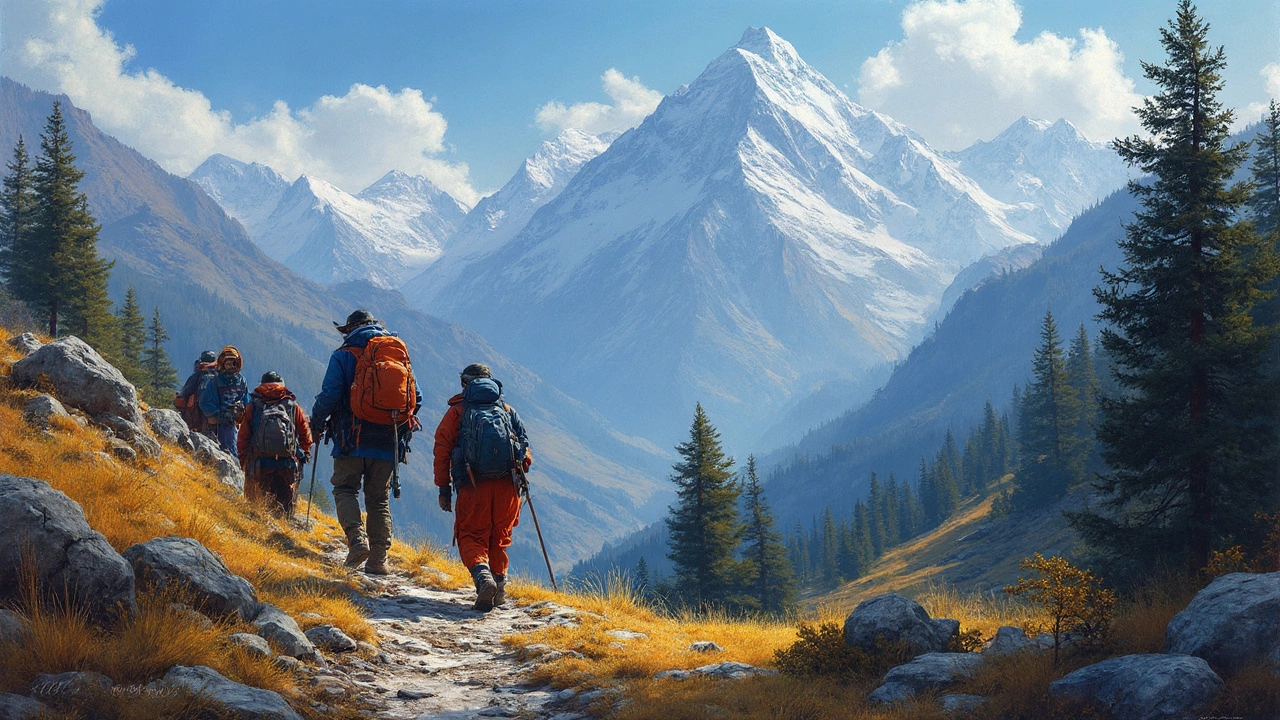
India trekking tips: Essential advice for safe and unforgettable hikes
When you think of trekking in India, a physical journey through rugged mountains, remote villages, and ancient trails that connect you to nature and culture. Also known as mountain hiking, it’s not just exercise—it’s a way to experience India beyond temples and cities. Unlike crowded tourist spots, trekking lets you walk where locals live, breathe air thick with pine or desert dust, and sleep under stars no city light can dim.
Most people start with the Himalayan trekking, a network of trails in northern India that includes routes like Valley of Flowers, Roopkund, and Markha Valley. These aren’t just paths—they’re living corridors used for centuries by shepherds, pilgrims, and traders. You’ll pass prayer flags, monasteries, and tea stalls run by families who’ve lived here for generations. Then there’s the Western Ghats, a lesser-known but equally wild range in southern India with monsoon-fed waterfalls, misty forests, and hidden waterholes. And if you’re looking for something completely different, try the Sand dunes of Rajasthan, where trekking means walking through golden desert under open skies, often with camel caravans as your only company.
What makes India trekking different? It’s not just the terrain—it’s the culture. You won’t find fancy trail markers here. Locals will point you down a goat path, hand you a cup of ginger tea, or invite you to sleep in their home. That’s why preparation matters. You need good boots, layers for freezing nights and hot days, and a water purifier—no tap water is safe. Altitude sickness hits fast in the Himalayas; take it slow. And never trek alone. Even experienced hikers get lost when the fog rolls in. Book with local guides—they know the trails, the weather, and the hidden campsites.
There’s no single "best" trek in India. It depends on your fitness, your season, and what you want to feel. Do you want to stand on a ridge with snow-capped peaks? Or wander through quiet villages where children wave and monks chant? The trails below show you exactly how real travelers do it—what worked, what didn’t, and how to avoid the mistakes that ruin a trip.