Most Luxurious Train in India
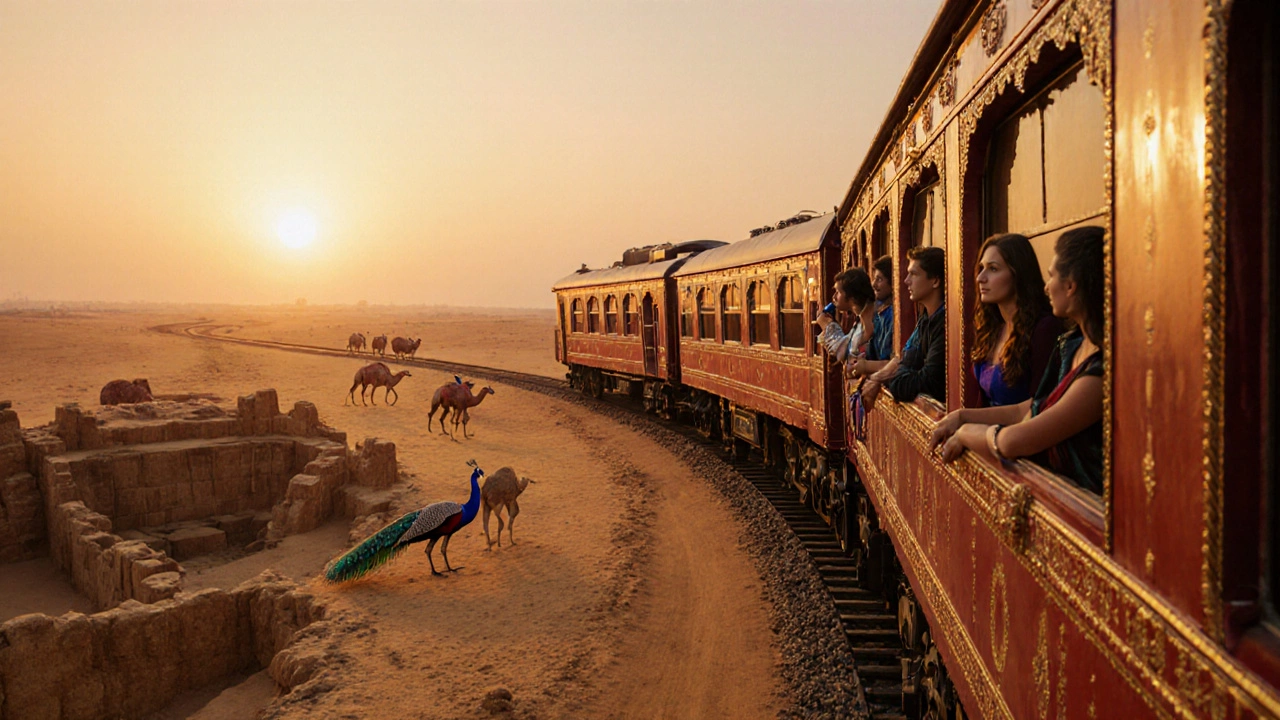
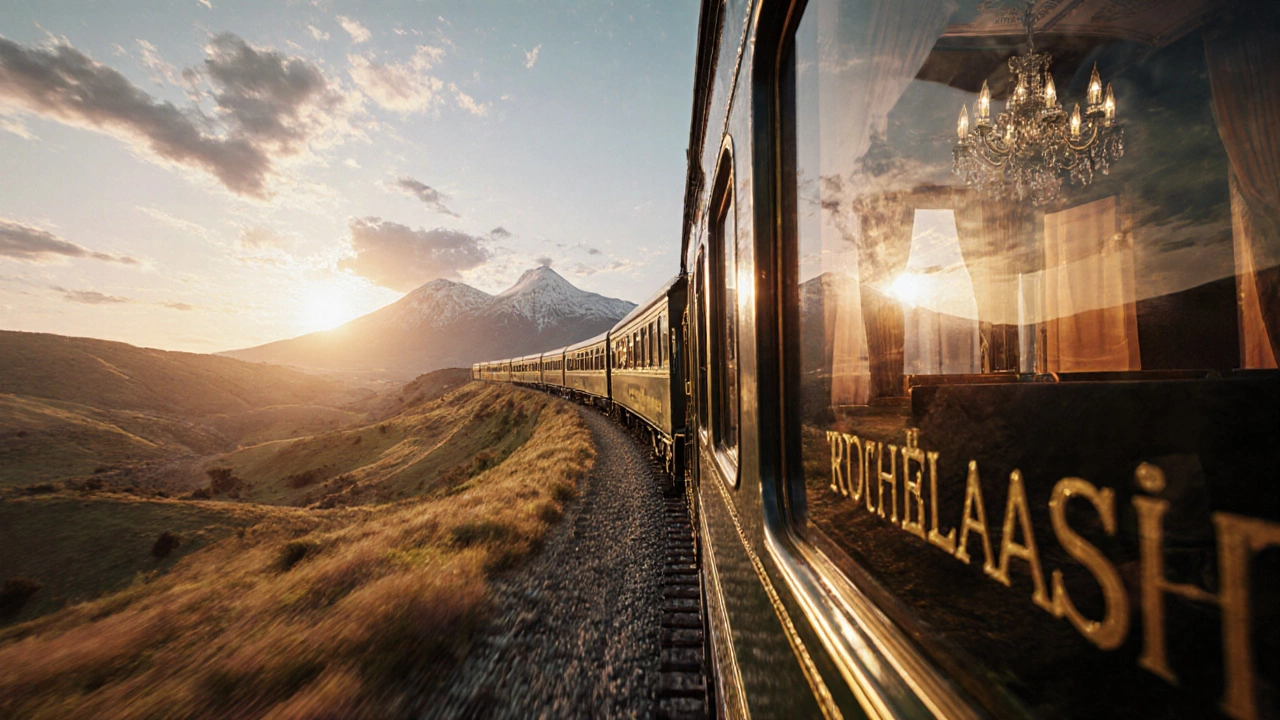
When you think of most luxurious train, a rail journey that blends royal opulence with seamless travel through India’s most iconic regions. Also known as luxury train India, it’s not just about getting from point A to B—it’s about traveling like royalty through palaces on wheels. These aren’t ordinary trains. They’re floating heritage hotels, with polished teak wood, handwoven silk linens, personal butlers, and fine dining served under crystal chandeliers—all while gliding past ancient forts, desert dunes, and jungle trails.
The Palace on Wheels, India’s original luxury train, launched in 1982 to showcase the grandeur of Rajasthan’s royal states still sets the standard. It takes you through Jaipur, Jaisalmer, and Udaipur, with stops at tiger reserves and marble palaces. Then there’s the Deccan Odyssey, a south-focused luxury experience that connects Mumbai to Goa, Ajanta, and Ellora caves, where every cabin feels like a suite in a five-star heritage hotel. And if you want the south’s best, the Golden Chariot, a train designed to mirror the grandeur of the Vijayanagara Empire, runs through Karnataka’s temples, beaches, and coffee estates. These aren’t just trips—they’re curated cultural experiences, where history is served with breakfast and every sunset comes with a cocktail on the observation deck.
What makes these journeys different from regular tours? It’s the rhythm. You wake up in a new city without packing, unpacking, or booking hotels. The train moves while you sleep, and by morning, you’re standing in front of a 12th-century temple or sipping chai on a palace balcony. There’s no rushing. No taxi scams. No language barriers. Just curated experiences led by local historians, chefs, and guides who know the stories behind every stone and spice.
You’ll find real stories in the posts below—like what to wear on a luxury train (yes, jeans are fine if you want them), how much these journeys actually cost compared to flying first class, and why travelers from Europe and the U.S. keep coming back for more. Some of these trains cost more than a round-trip flight to Europe, but for many, it’s not about the price—it’s about the memory. The kind you don’t forget.