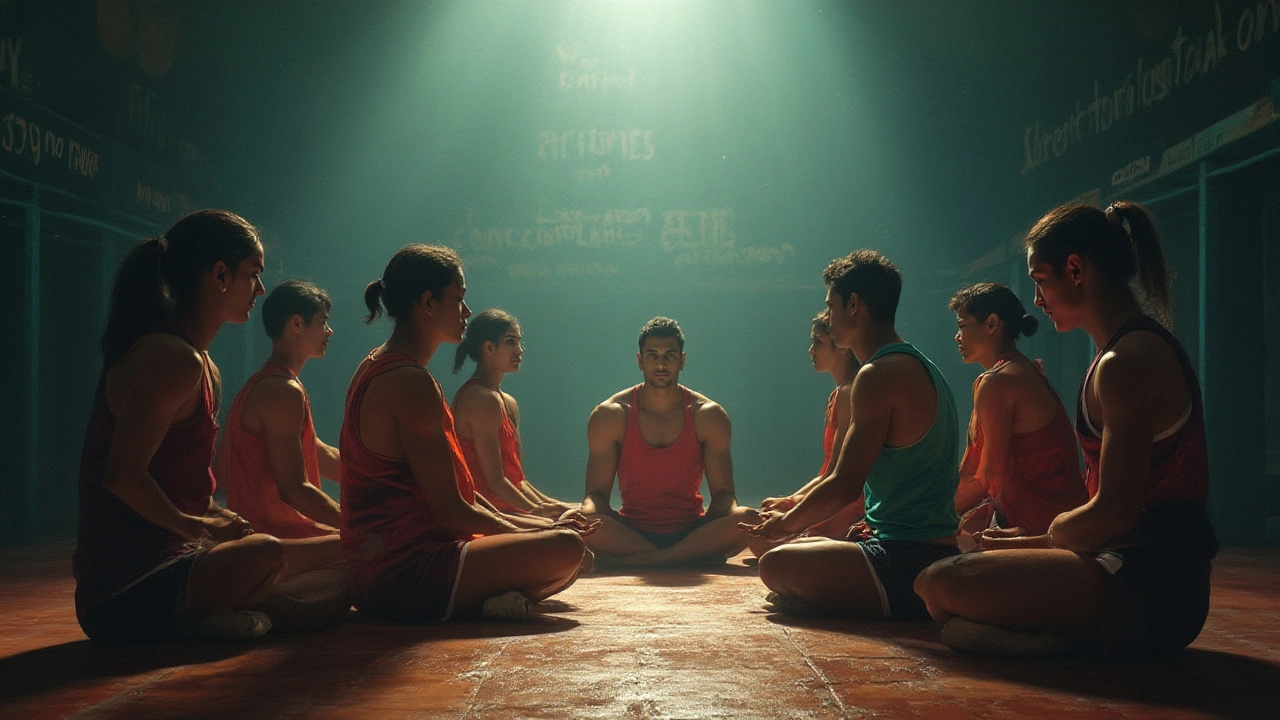
Psychological Endurance: How Indian Travelers Build Mental Strength on the Road
When you talk about psychological endurance, the inner resilience that lets people keep going when everything feels overwhelming. It's not about being tough—it's about staying calm when your train is late, your hotel is full, and the chai wallah speaks no English. This kind of strength isn't trained in gyms. It's built on dusty roads, crowded stations, and unexpected detours—exactly what you find when traveling across India.
Travelers who make it through India’s chaos don’t just rely on good planning. They rely on cultural resilience, the ability to adapt to unfamiliar rhythms, norms, and surprises without losing patience. This isn’t something you read about—it’s learned when you sit through a three-hour traffic jam because a cow wandered onto the highway, or when you accept that ‘soon’ means ‘maybe tomorrow.’ adventure tourism India, from trekking in the Himalayas to rafting in Rishikesh, demands this kind of mental stamina. You don’t just need strong legs—you need a mind that doesn’t panic when the path disappears or the weather turns. And then there’s travel mental strength, the quiet discipline to keep going even when you’re tired, lonely, or unsure. It’s what lets someone spend two days in Agra with just 500 rupees and still leave with unforgettable memories. It’s what keeps a solo traveler calm when they miss a connection in Mumbai, or a couple finds peace on a quiet Goa beach after a chaotic week.
Psychological endurance shows up in surprising places. It’s in the tears at a temple in Varanasi—not from sadness, but from being overwhelmed by meaning. It’s in the quiet smile of a woman in Kerala who serves you food without asking for anything in return. It’s in the backpacker who skips a fancy hotel to sleep on a train floor because they learned that comfort isn’t the point. These aren’t just stories. They’re lessons in how to handle uncertainty, how to find calm in noise, and how to keep going when the map doesn’t match the ground.
What you’ll find in these posts isn’t a list of tips to "be stronger." It’s real accounts of people who faced India’s chaos—and didn’t break. You’ll see how budget travelers stretch rupees, how pilgrims endure long walks, how tourists learn to laugh at delays instead of fighting them. These aren’t travel guides. They’re proof that the toughest part of any journey isn’t the distance. It’s the mind.