South India Travel: Best Destinations, Culture, and Hidden Gems
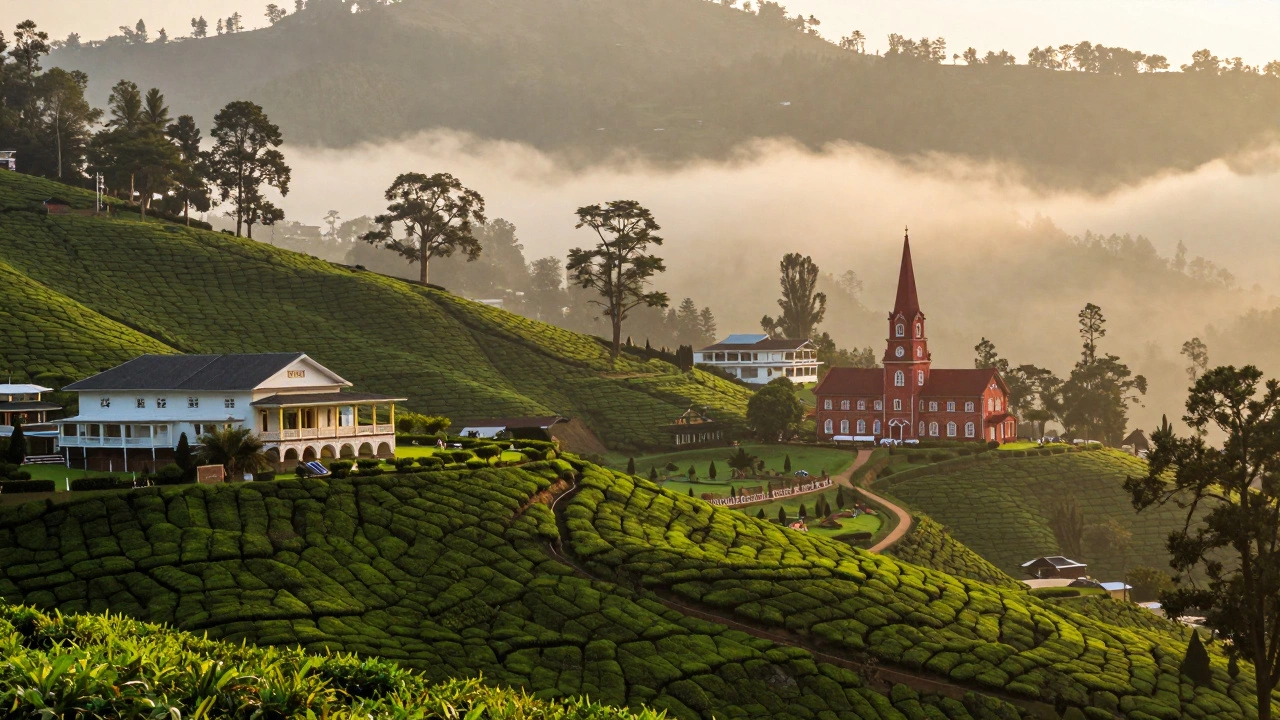
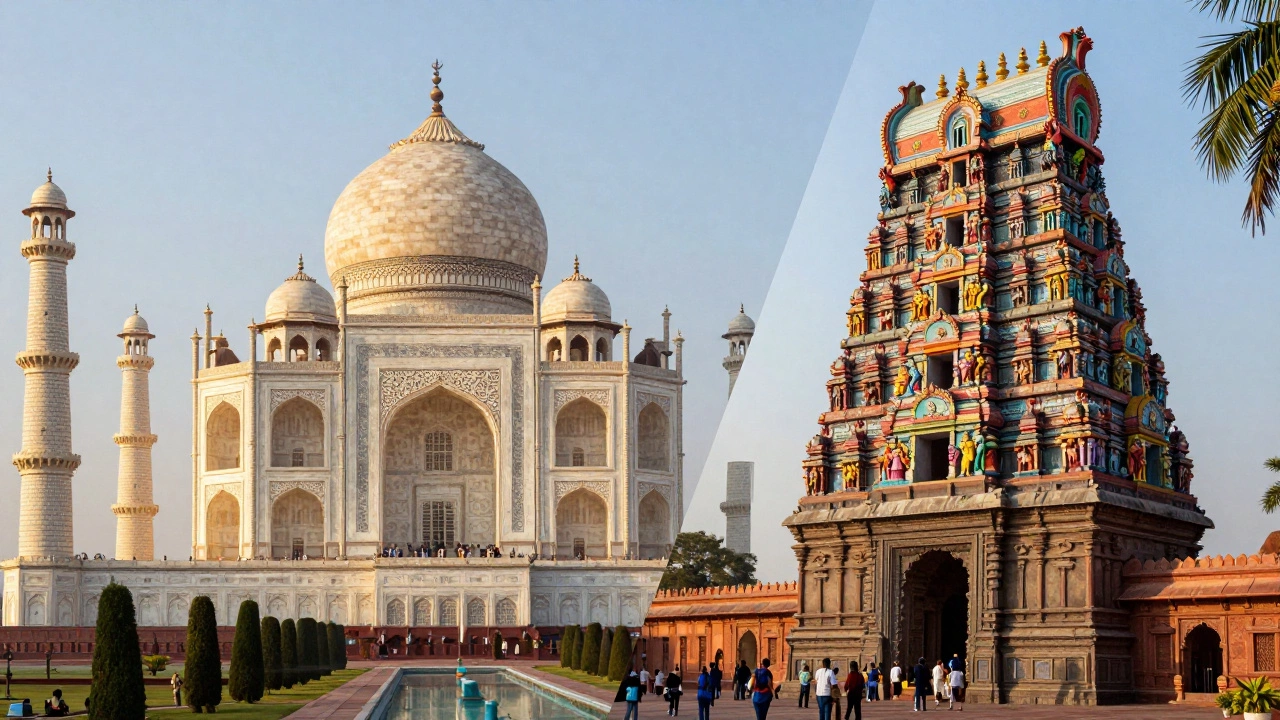
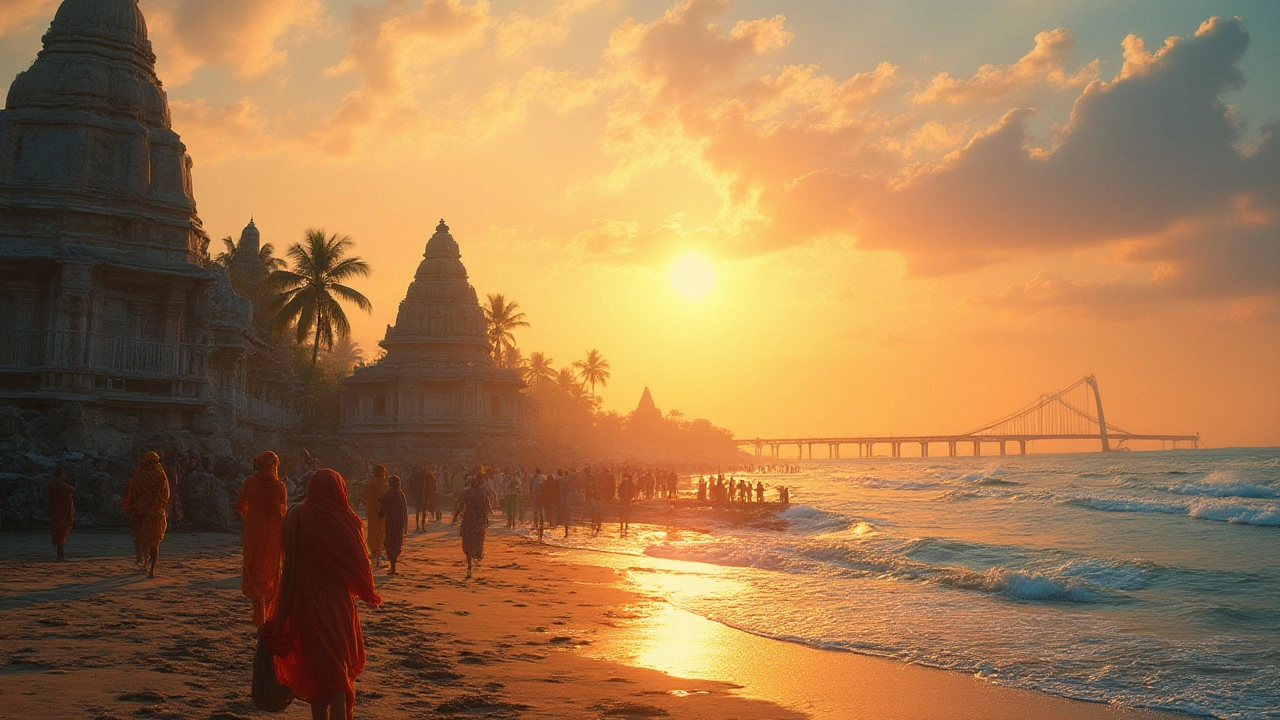
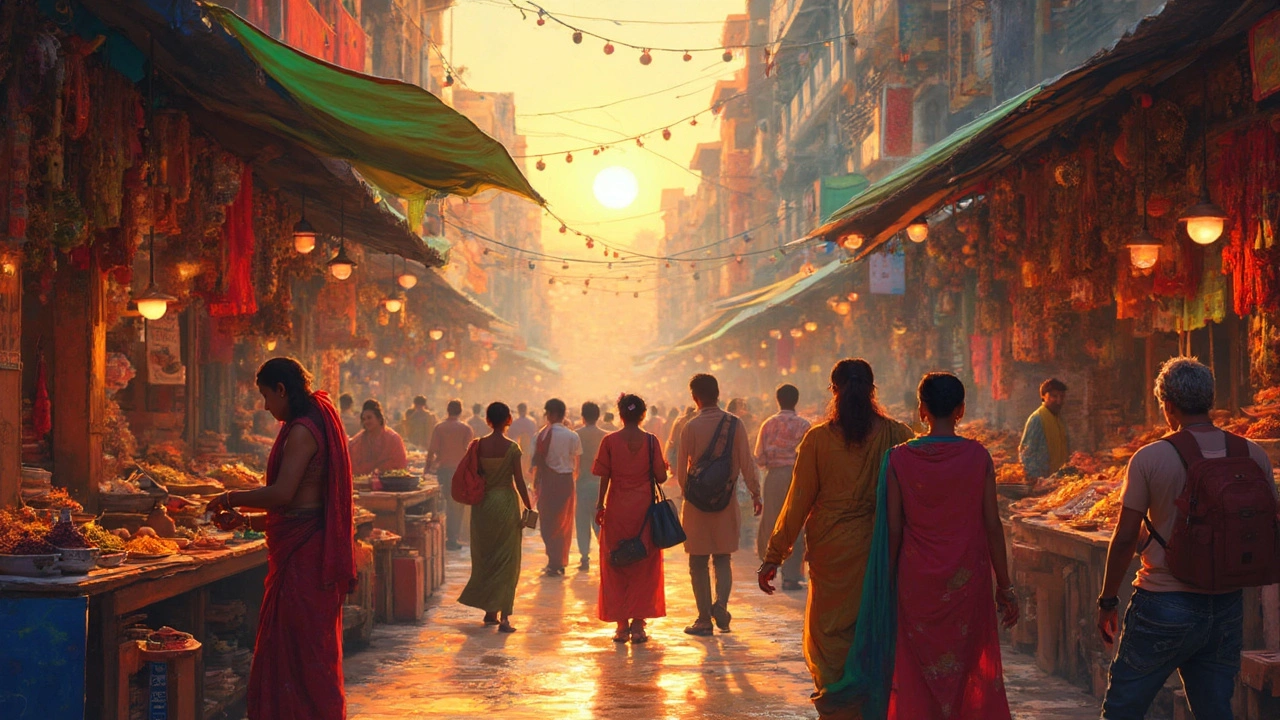
When you think of South India travel, the southernmost region of India known for its distinct languages, temple architecture, and lush landscapes. Also known as Peninsular India, it’s where history isn’t locked in museums—it’s carved into stone, sung in temple chants, and served on banana leaves. This isn’t just another part of the country. It’s a different rhythm. While the Golden Triangle draws crowds with palaces and the Taj, South India whispers—through coconut palms, spice markets, and quiet temple courtyards where only the wind interrupts your thoughts.
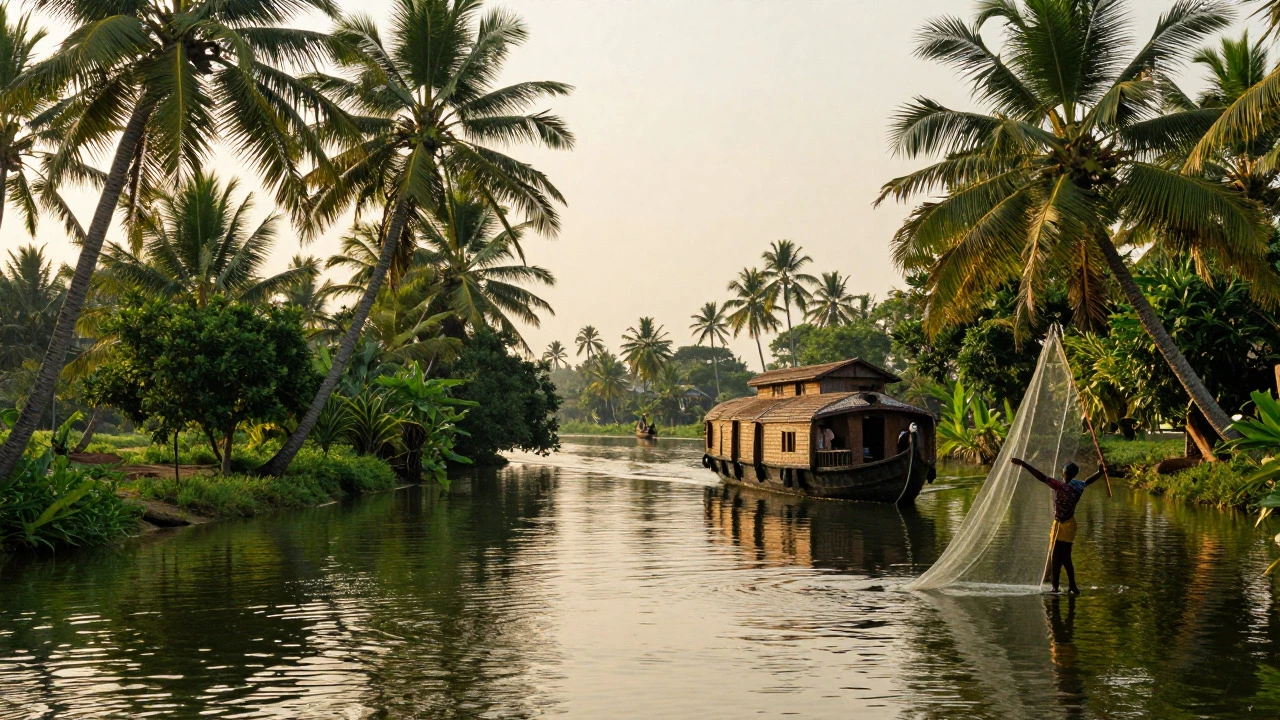
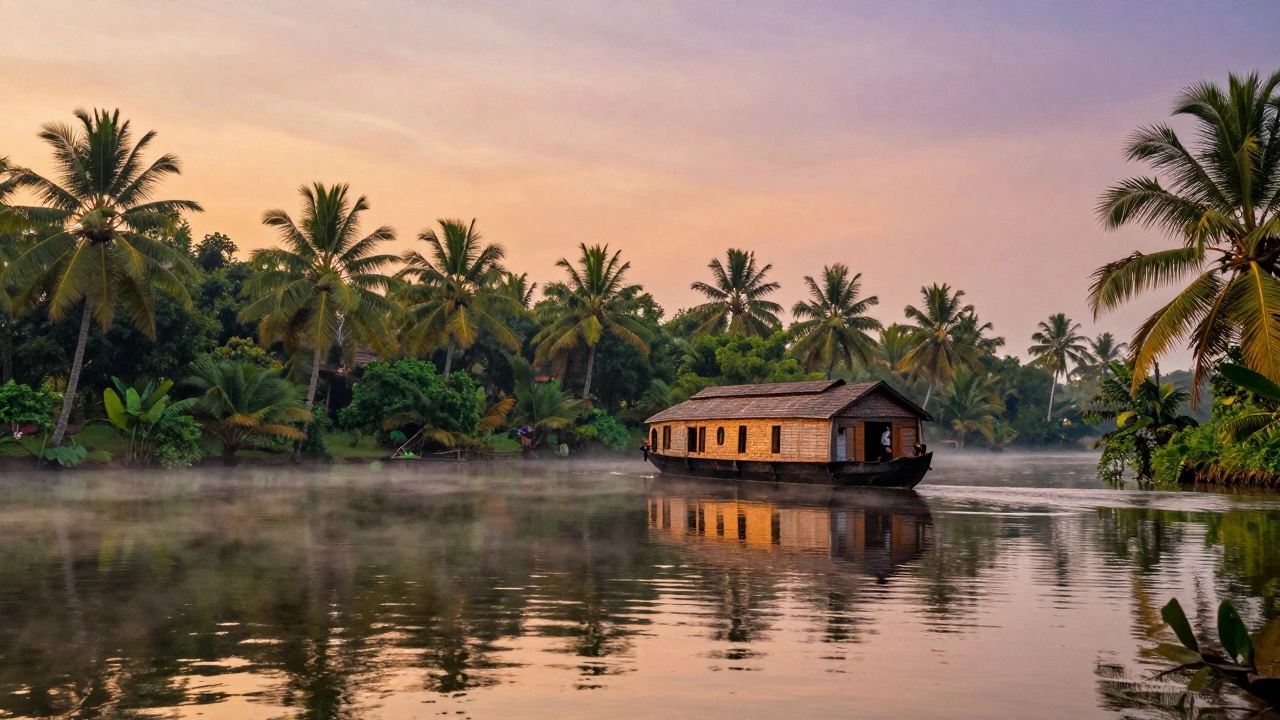
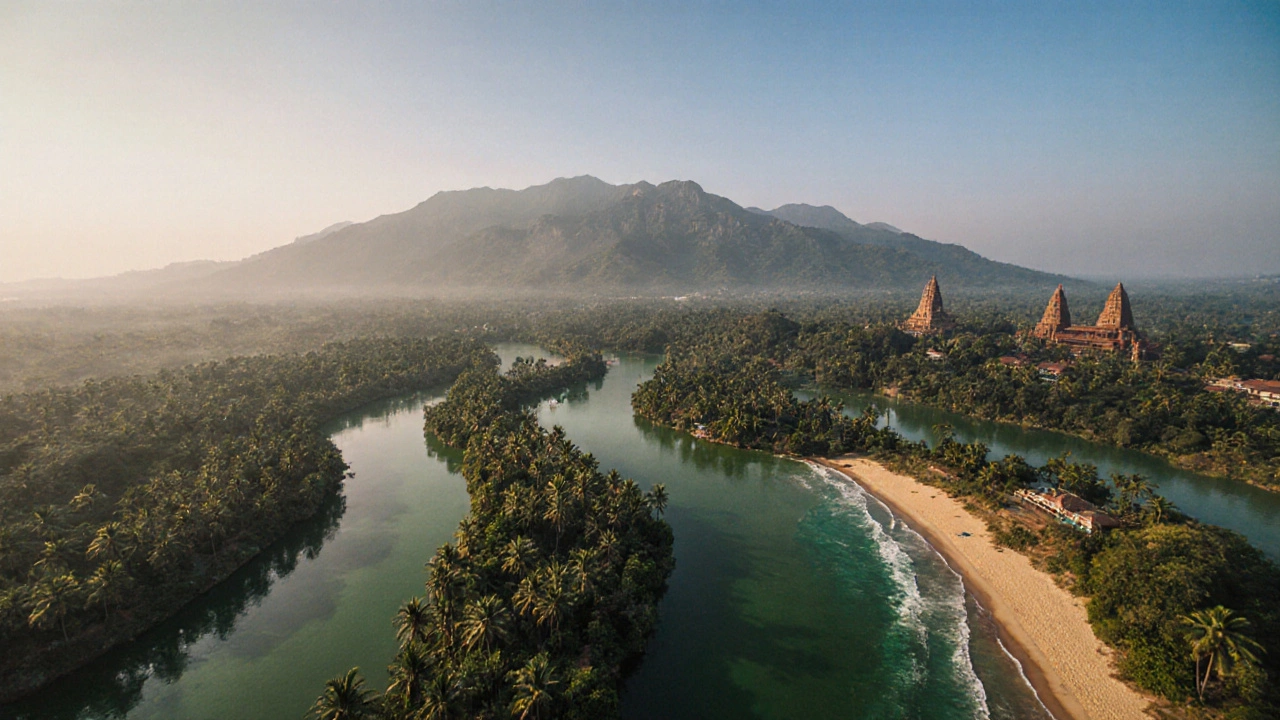
Think of Kerala, a state famous for its backwaters, ayurvedic wellness, and eco-friendly homestays. You can float through green canals in a wooden houseboat, sipping tea as herons glide overhead. Then there’s Tamil Nadu, home to some of India’s oldest and grandest Dravidian temples, like Meenakshi in Madurai and Brihadeeswarar in Thanjavur. These aren’t tourist props—they’re living places of worship, where daily rituals haven’t changed in 1,000 years. And don’t skip Karnataka, where the ruins of Hampi tell stories of a lost empire, and Mysore’s palace glows golden at night. Even Goa, often reduced to party beaches, has quiet stretches like Palolem where Portuguese churches sit beside fishing boats, and the air smells of cashews and sea salt.
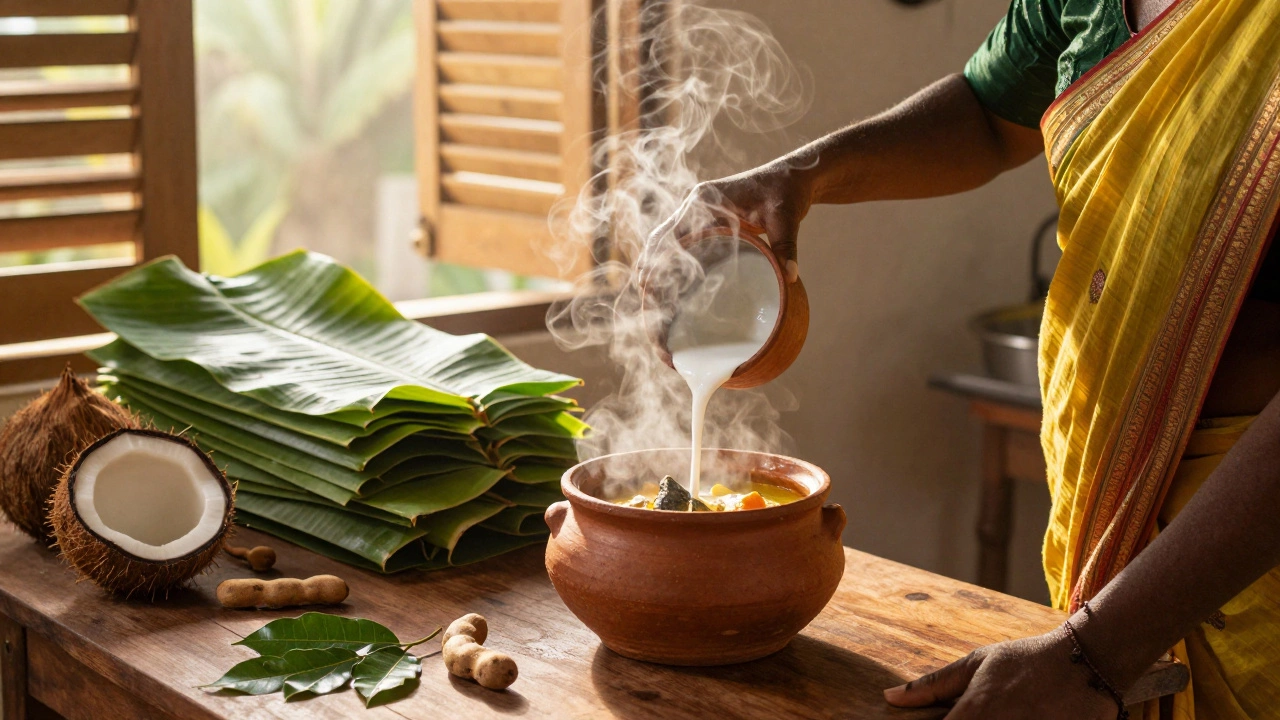
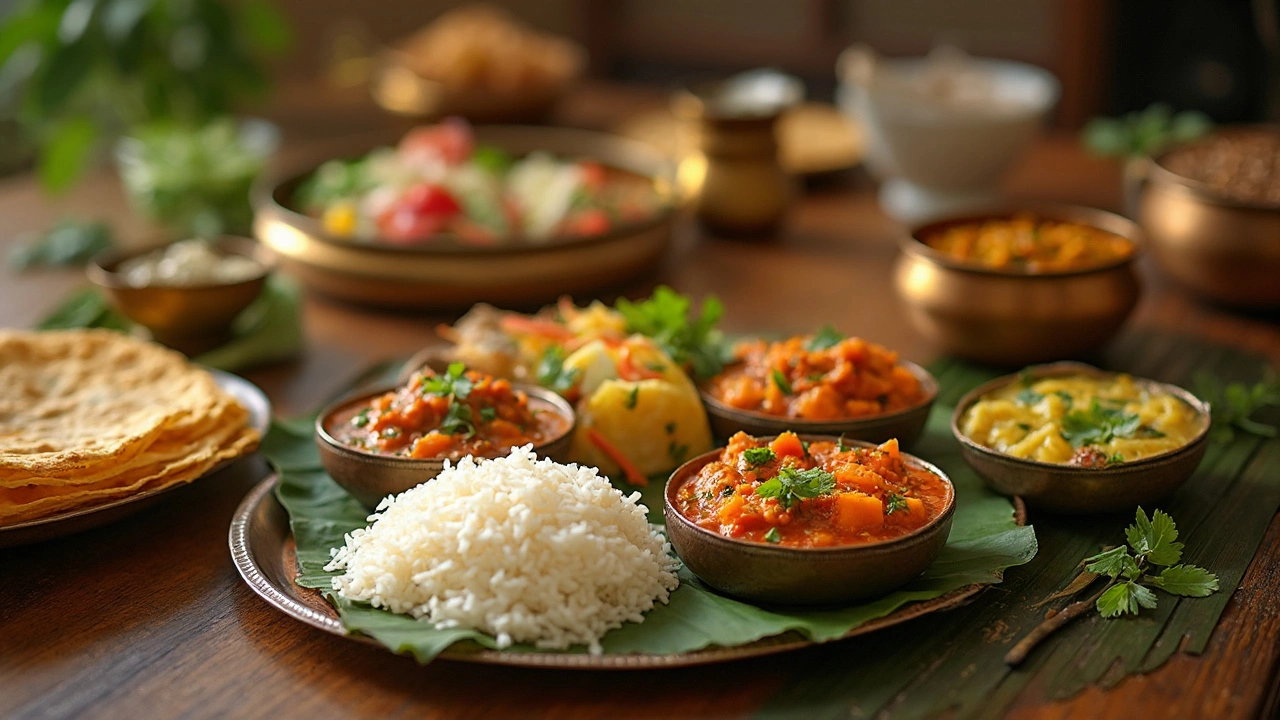
South India travel isn’t about ticking boxes. It’s about tasting coconut curry cooked in a clay pot, hearing a temple bell echo at dawn, or getting lost in a narrow street in Pondicherry where the French colonial houses still have shutters painted blue. You’ll find that the people here speak different languages, wear different clothes, and celebrate different festivals—but they all share the same warmth. This region doesn’t shout for attention. It waits. And when you slow down, it gives you something real.
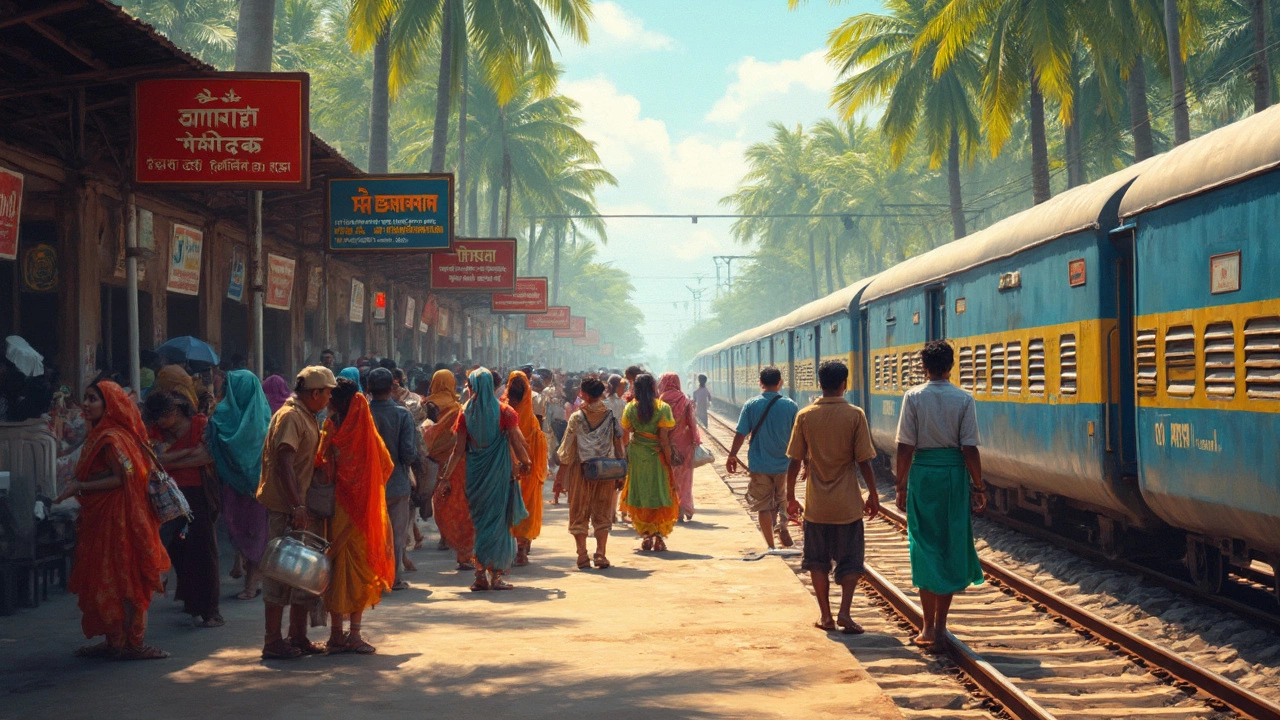
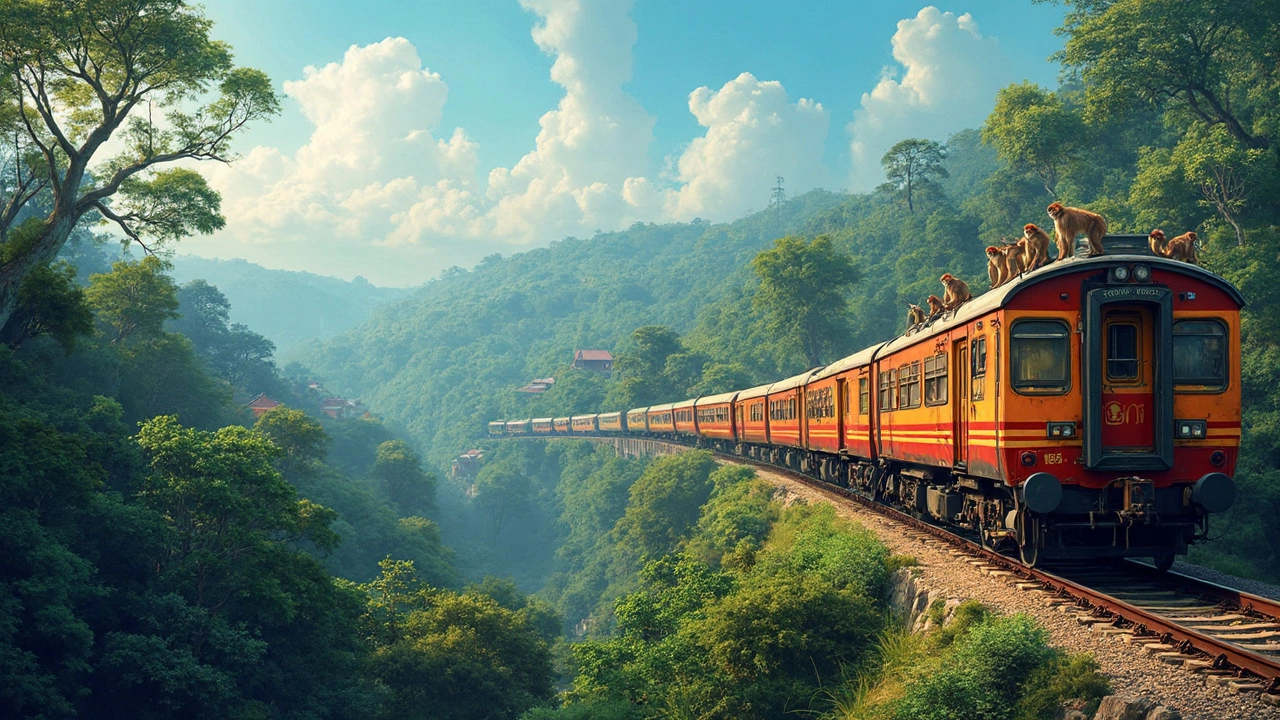
Below, you’ll find real stories from travelers who’ve wandered these roads—whether they spent two days in Mysore, slept on a beach in Kovalam, or took a train through the Western Ghats. No fluff. Just what worked, what surprised them, and what they’d do again.