South India Weather: What to Expect and When to Go
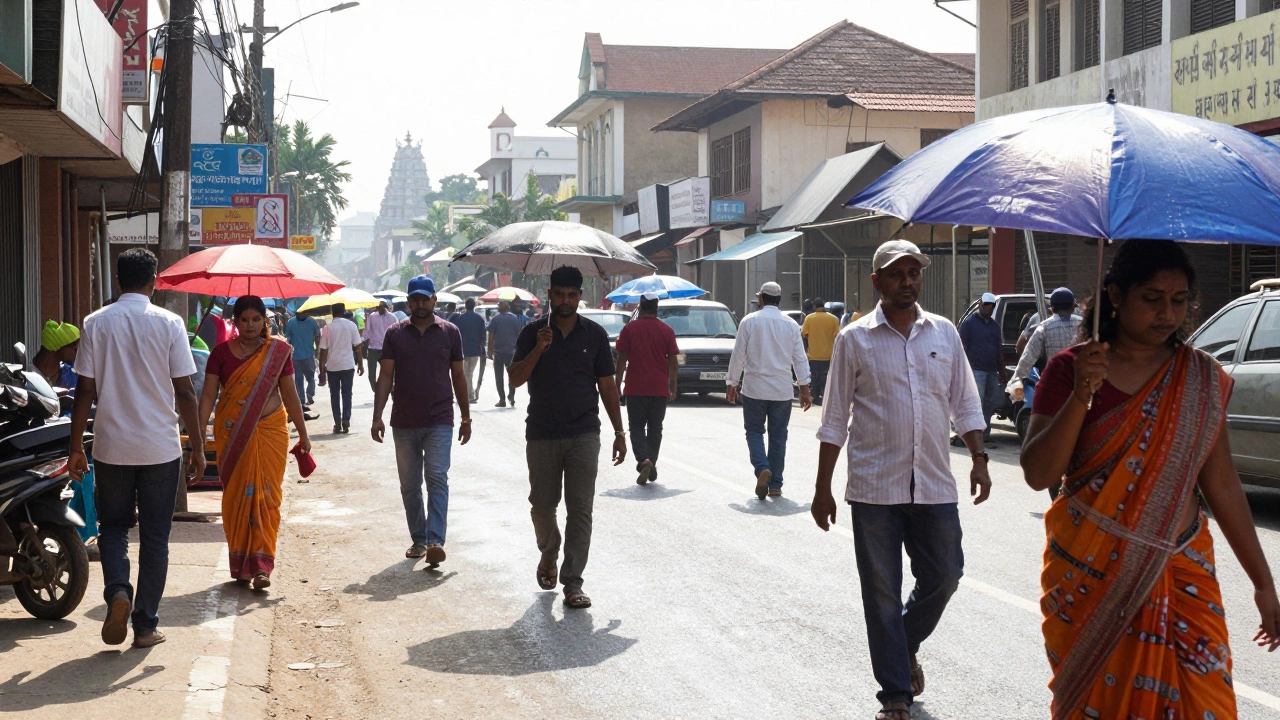
When you think of South India weather, the seasonal rhythms of Kerala, Tamil Nadu, Karnataka, and Andhra Pradesh that shape travel, agriculture, and daily life. Also known as peninsular India climate, it’s not just hot and humid—it’s a dance of monsoons, dry spells, and sudden cool breezes that make this region feel alive in ways the North never does. Unlike the predictable winters of Delhi or the dusty heat of Rajasthan, South India’s weather moves to its own beat. The monsoon isn’t just rain—it’s a cultural event. In Kerala, it’s when the backwaters swell and spice plantations turn emerald. In Tamil Nadu, it arrives late, in October, and farmers wait for it like a promise kept. You won’t find a single ‘best time to visit’ here—you need to know which part you’re going to, and why.
The Kerala climate, the tropical, rain-heavy environment of India’s southwestern coast, known for lush greenery and high humidity year-round is wet for most of the year. June to September brings heavy monsoon rains, and even in February, a sudden downpour can turn a temple visit into a splashy adventure. But that’s the charm. The heat doesn’t burn—it clings. Nights stay warm, and the air smells like wet earth and coconut. If you’re heading to Munnar or Wayanad, pack waterproof gear, not just sunscreen. Meanwhile, Tamil Nadu monsoon, the unique northeast monsoon that hits Tamil Nadu from October to December, bringing most of its annual rainfall is a whole different story. While the rest of India dries out, Chennai and Pondicherry get their heaviest rains then. That’s why many travelers choose this time—it’s quieter, greener, and the beaches like Palolem and Mahabalipuram are suddenly peaceful. Don’t confuse it with the summer heat in May, when temperatures hit 40°C and the air feels like a damp towel wrapped around your face.
South India isn’t one weather zone—it’s four. Karnataka’s coast gets soaked like Kerala, but its interior, like Hampi, stays dry and dusty. Andhra’s coastline is similar to Tamil Nadu’s, but the hills of Araku Valley stay cool even in June. You can’t plan a South India trip like you would a North India one. If you’re chasing temple tours in Madurai, avoid July. If you want to kayak in backwaters, aim for March. The monsoon season India isn’t a barrier—it’s a timing tool. The posts below show you exactly where to go, what to pack, and how locals live through it all. You’ll find real stories from travelers who got caught in the rain, missed the perfect beach day, and still came away with memories no brochure could capture.