Traditional Dishes of India: Authentic Flavors and Regional Specialties
When you think of traditional dishes, authentic meals passed down through generations in India, rooted in local ingredients and cultural rituals. Also known as Indian cuisine, it’s not just food—it’s history on a plate. Every state has its own version of dal, rice, or roti, shaped by climate, religion, and trade. You won’t find one single "Indian dish"—you’ll find hundreds, each telling a story of village life, festival traditions, or family kitchens.
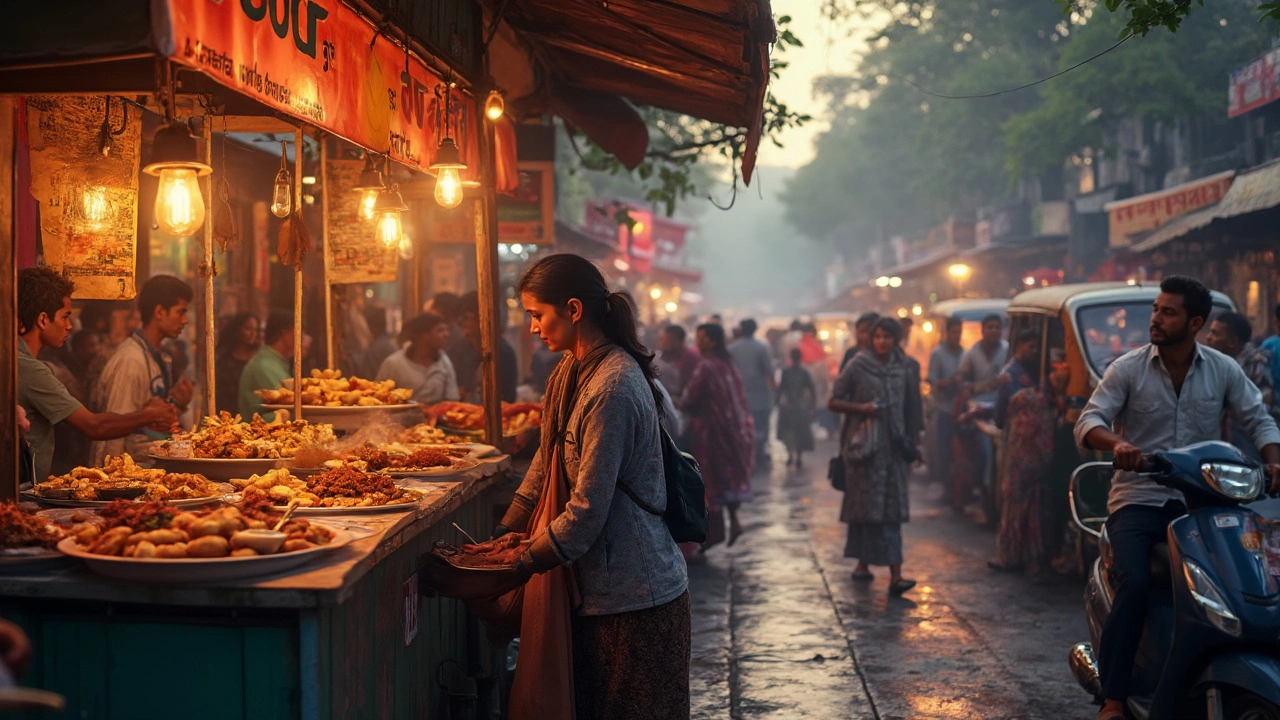
What makes these meals different from other cuisines? It’s the Indian spices, a carefully balanced blend of turmeric, cumin, cardamom, and chili that defines flavor profiles across the country. In the north, you’ll find rich, creamy gravies cooked in clay ovens. In the south, coconut and tamarind bring tangy, light meals to life. The west serves up spicy seafood curries, while the east leans into mustard oil and fish. And then there’s the street food India, the chaotic, delicious, and affordable eats you find on every corner—from chaat in Delhi to vada pav in Mumbai. These aren’t snacks. They’re daily rituals.
These dishes aren’t just eaten—they’re celebrated. Diwali means sweets like gulab jamun. Pongal brings rice porridge with jaggery. Eid brings biryani to every home. Even a simple plate of dal chawal carries meaning. You don’t need to travel far to taste this. You just need to know where to look. Below, you’ll find real stories from travelers who’ve tasted these meals in homes, markets, and temples—not just restaurants. Some found their favorite dish in a quiet village. Others learned how to make it themselves. These aren’t tourist brochures. They’re honest, personal experiences with the food that keeps India alive.