Train Travel Style in India: Luxury, Culture, and Journey Beyond the Tracks
When you think of train travel style, a way of experiencing a destination through the rhythm, comfort, and culture of rail journeys. Also known as rail tourism, it’s not just about getting from point A to point B—it’s about the stories you collect along the way. In India, train travel style isn’t just practical; it’s legendary. You don’t just ride a train here—you step into a moving palace, a cultural mosaic, or a quiet escape from the chaos outside.
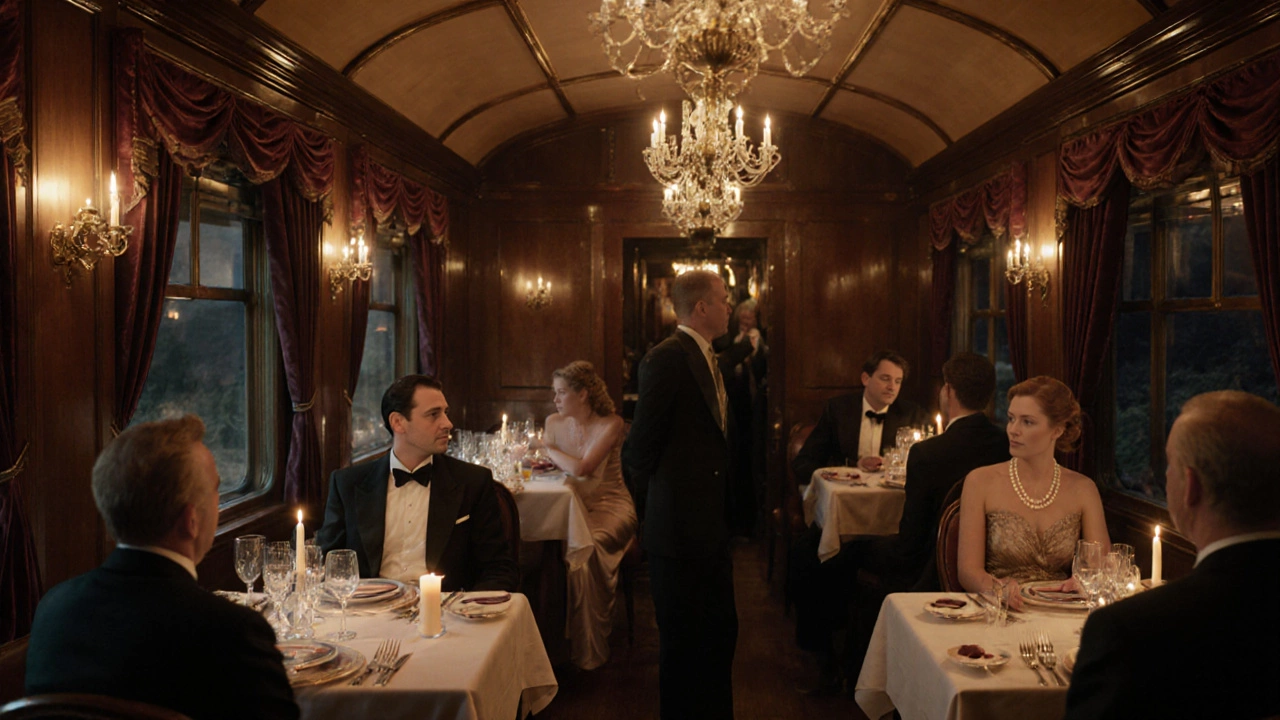
The Palace on Wheels, a luxury train that redefines opulence on rails, offering royal suites, fine dining, and guided excursions to Rajasthan’s forts and palaces isn’t just a train—it’s a time machine. It’s where marble floors meet desert sunsets, and where you might sip chai while watching camels cross the dunes from your private balcony. This isn’t tourism packaged for tourists. It’s heritage preserved in steel and silk. And it’s not alone. The Golden Chariot, a south Indian luxury train that connects heritage sites like Hampi, Mysore, and Pondicherry with curated cultural experiences turns every journey into a living museum. These aren’t just trains. They’re mobile five-star hotels with itineraries written by kings.
But train travel style in India isn’t only for the elite. Millions of locals ride daily trains with suitcases on their laps, kids sleeping on benches, and vendors selling hot samosas through the windows. That’s the other side of the coin—the real, raw, rhythmic heartbeat of India on rails. Whether you’re traveling from Delhi to Agra for a quick temple visit or crossing the country from Mumbai to Kolkata, the train becomes your window into everyday India. You’ll see farmers heading home with harvests, students with books open, and families sharing meals on plastic trays. It’s here you understand why Indians don’t just take train trips—they live them.
What makes this style different from other countries? It’s the scale, the history, and the soul. India has one of the world’s largest rail networks, built during the British era but now owned and run by its people. The routes connect ancient temples to modern cities, mountain passes to coastal towns. You can board a train in Varanasi at dawn and watch the Ganges glow through the window, then sleep as the landscape shifts from desert to jungle. No other country blends this much diversity into a single journey.
And it’s not just about the scenery. The rituals matter. The tea served in clay cups. The way strangers become friends over a shared plate of parathas. The sound of the conductor’s whistle echoing through hills. These aren’t side effects—they’re the point. Train travel style in India doesn’t just move you across distance. It moves you through time, culture, and emotion.
Below, you’ll find real stories and guides from travelers who’ve experienced this firsthand—from those who booked the Palace on Wheels for their anniversary to budget travelers who slept in third class and still called it the best trip of their lives. Whether you’re dreaming of luxury or just want to ride like a local, this collection shows you how train travel style in India isn’t a trend. It’s a tradition that’s still alive, still changing, and still unforgettable.