Hiking Fitness Calculator for Hampta Pass
Check Your Trek Readiness
The Hampta Pass trek requires sustained hiking for 6-8 hours daily with a 10-12kg pack at high altitude. Answer the questions below to see if you're prepared for this challenging Himalayan adventure.
When people ask where the most beautiful hike in the world is, they’re not looking for a postcard. They want to feel something-wind on their face, silence so deep it rings in their ears, and a view that makes them forget why they started hiking in the first place. For many who’ve walked it, that place isn’t in Switzerland, Nepal, or Patagonia. It’s in the Indian Himalayas, on a trail called Hampta Pass.
Why Hampta Pass stands out
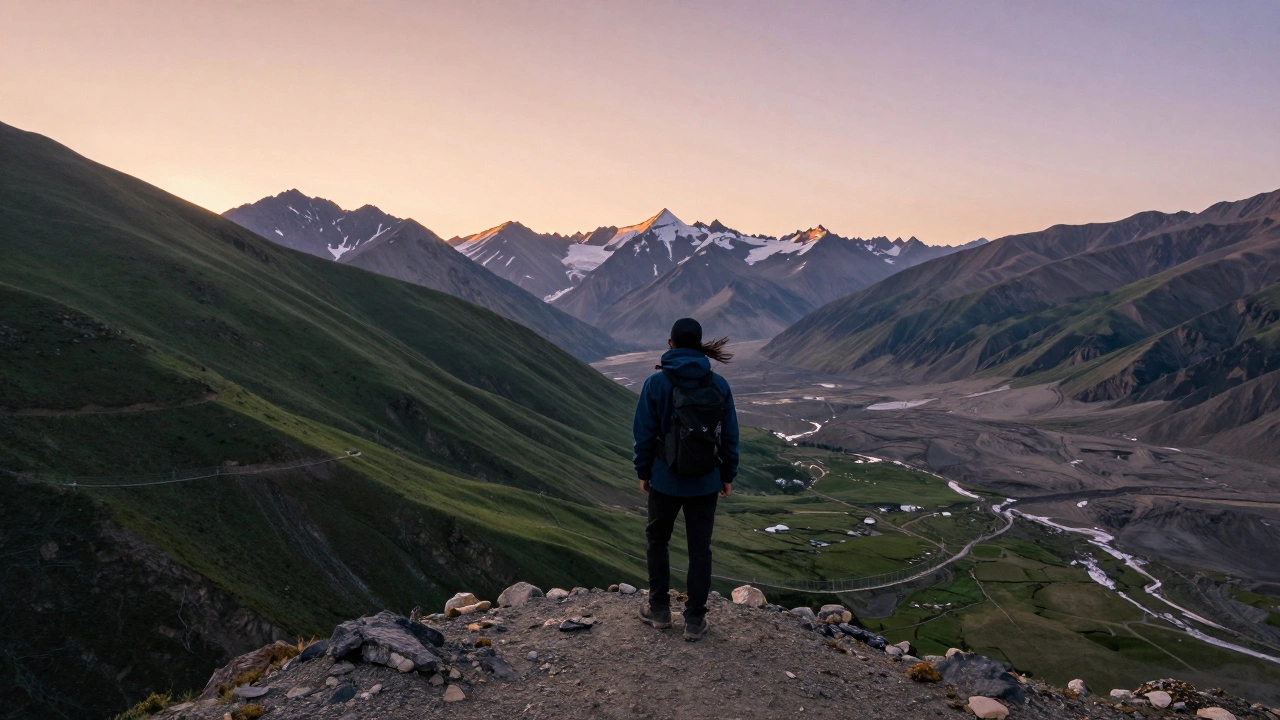
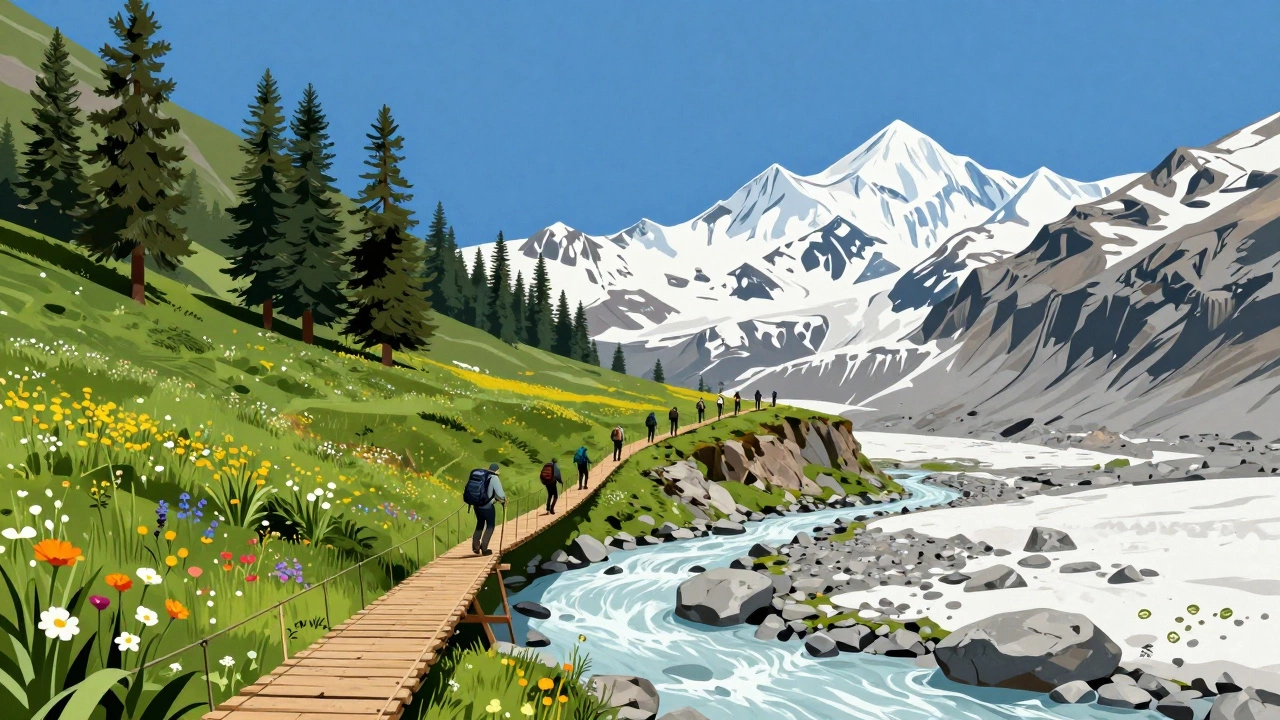
Hampta Pass connects the lush, green valley of Kullu in Himachal Pradesh to the stark, lunar-like landscape of Lahaul. It’s not the highest pass in the Himalayas, but it’s one of the most visually dramatic. You start among apple orchards and pine forests, cross a glacial river on a rope bridge, and by day three, you’re walking through a moonscape of jagged rocks and snowfields with peaks that look like they were carved by giants.What makes it unforgettable isn’t just the scenery. It’s the shift. One moment you’re breathing in the scent of wild mint and damp earth. The next, you’re in a desert of wind-sculpted stone, where the only sound is your own breath and the crunch of gravel underfoot. The change happens over just 12 kilometers of trail, and it feels like crossing into another world.
What the trail looks like
The full trek takes four to five days, covering about 45 kilometers. Most people start from Jobra, near Manali. The first day climbs gently through pine trees and streams. By day two, you’re crossing the Chandra River on a suspension bridge, then ascending into alpine meadows where wildflowers bloom in July. The real test comes on day three: the climb up to Hampta Pass itself, at 4,270 meters. It’s steep, exposed, and thin air makes every step feel heavier. But when you reach the top, the view opens up like a curtain.On one side, the Kullu Valley stretches out in green waves. On the other, the Lahaul Valley unfolds in shades of gray and gold, with snow-capped peaks like distant islands. You can see the Chandratal Lake far below, a mirror of blue water tucked into the mountains. That’s where most people camp on the final night.
Why it beats other famous hikes
People compare Hampta Pass to the Inca Trail, the Everest Base Camp trek, or even the Tour du Mont Blanc. But here’s the difference: Hampta Pass doesn’t feel crowded. You won’t find lines of tourists at the pass. There are no souvenir stalls. No tea houses every 200 meters. It’s raw. It’s quiet. And it’s untouched.Compare that to the Inca Trail, where permits are limited and crowds form at sunrise at Machu Picchu. Or Everest Base Camp, where the trail is lined with lodges and oxygen canisters. Hampta Pass gives you solitude without sacrifice. You still get glaciers, waterfalls, and panoramic peaks-but without the noise.
When to go
The best time to hike Hampta Pass is between late June and early September. Outside that window, snow blocks the pass. Even in peak season, weather changes fast. One morning you’ll walk under clear skies; the next, rain or hail could roll in. That’s why most guides recommend starting early in the season-July is ideal. The snow has melted enough to make the trail safe, and the wildflowers are still blooming.Winter hikes? Forget it. The pass closes completely. No one hikes it alone in winter. Even experienced trekkers avoid it. The temperature drops below -15°C, and the wind cuts through gear like paper.
What you need to pack
This isn’t a luxury hike. You’ll be camping. You need:- Waterproof hiking boots with ankle support
- A 4-season sleeping bag rated for -10°C
- A good quality down jacket
- At least 2 liters of water capacity per day
- High-energy snacks: nuts, dried fruit, chocolate bars
- Sunscreen and lip balm with SPF 50+
- Headlamp with extra batteries
- Basic first-aid kit with altitude sickness meds
Don’t bring fancy gear. You won’t need a drone, a portable espresso maker, or a camera with 10 lenses. Just the essentials. The trail rewards simplicity.
Who should attempt it
Hampta Pass isn’t for beginners. You need to be comfortable hiking 6-8 hours a day on uneven terrain. If you’ve never hiked above 3,000 meters, you might get altitude sickness. Symptoms include headaches, nausea, and dizziness. Most guides recommend spending a day in Manali (at 2,050 meters) before starting the trek to let your body adjust.It’s also not for those who need Wi-Fi, hot showers, or a bed every night. This is a real trek. You’ll sleep in tents. You’ll eat simple meals cooked over a stove. You’ll wash your face with glacial water. And you’ll come back changed.
Real stories from the trail
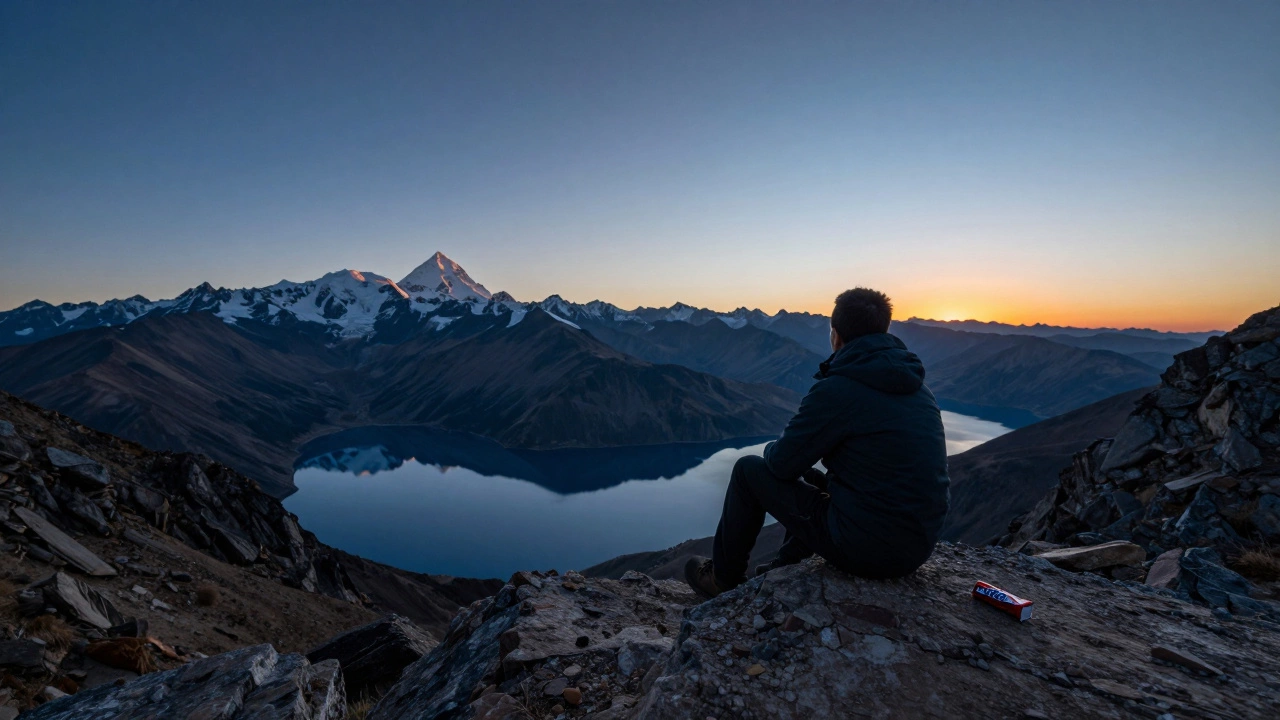
A woman from Bangalore told me she cried on the pass-not from exhaustion, but because she realized she hadn’t felt truly alone in years. Another hiker, a retired teacher from Delhi, said he came to prove he could still do it. He reached the top, sat down, and ate a chocolate bar he’d carried for three days. He didn’t take a single photo. Just sat. Watched. Listened.One group of friends from Mumbai brought a Bluetooth speaker. They played music at camp. The next morning, they found a local shepherd had walked past their tent in the dark, listening. He didn’t say anything. Just nodded. They never played music again.
How to get there
Most treks start from Manali. You can fly into Kullu Airport (KUU), which has daily flights from Delhi. Or take a train to Chandigarh and then a bus to Manali. The road is bumpy, but the views are worth it. Once in Manali, hire a guide through a registered trekking agency. Don’t go solo. The terrain is unpredictable, and weather can turn deadly fast.Permits aren’t required for Hampta Pass itself, but you’ll need to register with local authorities in Manali. Most agencies handle this. It costs about ₹1,500-₹2,000 ($18-$24) for the whole trek, including guides, food, and tents.
What to expect after the hike
You’ll come back with blisters, sunburn, and a quiet mind. You’ll also come back with a new definition of beauty. Not the kind you see in magazines. The kind you feel in your bones when you stand on a ridge with nothing around you but sky, stone, and silence.Hampta Pass doesn’t promise adventure. It doesn’t sell tickets. It doesn’t market itself. It just waits. And if you’re ready to walk, it gives you something no filter can capture.
Is Hampta Pass safe for solo trekkers?
No, solo trekkers are strongly discouraged. The terrain is unpredictable, weather changes rapidly, and altitude risks are real. Even experienced hikers travel in groups. Local guides know the safest routes and can spot early signs of altitude sickness. Most agencies require a minimum of two people to book a trek.
How fit do I need to be to hike Hampta Pass?
You should be able to hike 6-8 hours a day with a 10-12 kg backpack. Regular cardio workouts (like running, cycling, or stair climbing) for at least 2-3 months before the trek will help. Strength training for legs and core is also useful. If you’ve never hiked above 3,000 meters, spend a few days at altitude before starting-Manali is perfect for this.
Can I do Hampta Pass in one day?
Technically yes, but it’s not recommended. A one-day attempt would mean starting at 3 AM and hiking 18+ hours with little rest. You’d miss the beauty of the trail, increase your risk of altitude sickness, and exhaust yourself. The four-day version lets you enjoy each zone properly and gives your body time to adjust.
Are there toilets on the trail?
No permanent toilets exist. Most campsites have basic pit latrines, but many trekkers use portable solutions like biodegradable bags or dig-and-cover methods. Guides will show you proper eco-friendly practices. Leave no trace is the rule here.
What’s the cost of a guided Hampta Pass trek?
A full guided trek, including transport, food, tents, and permits, typically costs between ₹18,000 and ₹25,000 ($215-$300) per person. Prices vary based on group size, season, and inclusions. Budget options exist, but avoid deals that cut corners on safety gear or guide experience.