Travel Tips South India: What No One Tells You Before You Go
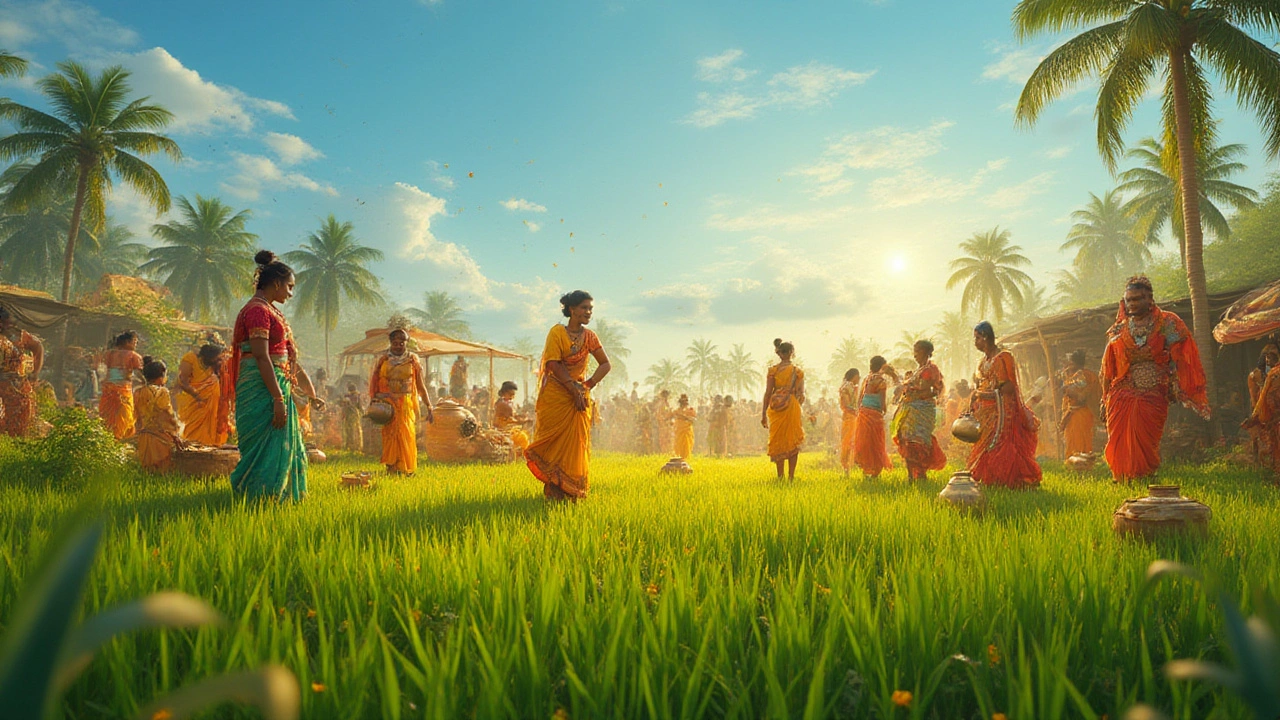
When people talk about South India, the southernmost region of India known for its lush landscapes, ancient temples, and distinct culture. Also known as Peninsular India, it’s where the monsoon paints the hills green, temple bells echo over coconut groves, and food is served on banana leaves. Unlike the crowded Golden Triangle up north, South India moves at its own pace—slower, deeper, and more authentic. If you’re planning a trip here, you need more than just a list of attractions. You need travel tips South India that actually work.
First, understand that Kerala, a state famous for its backwaters, Ayurveda retreats, and eco-tourism isn’t just about houseboats. The best way to experience it? Stay in a village homestay, wake up to the sound of rain on tin roofs, and take a local bus to a quiet beach like Marari. Then there’s Goa, a coastal state that draws foreigners not for its clubs, but for its clean, uncrowded shores like Palolem and Agonda. Most tourists miss this. They go to Baga, get burned out by noise and overpriced drinks, and leave thinking Goa is all party. It’s not. The real Goa is where the fishermen clean their nets at sunrise and the beach cafes serve fresh coconut water for 20 rupees.
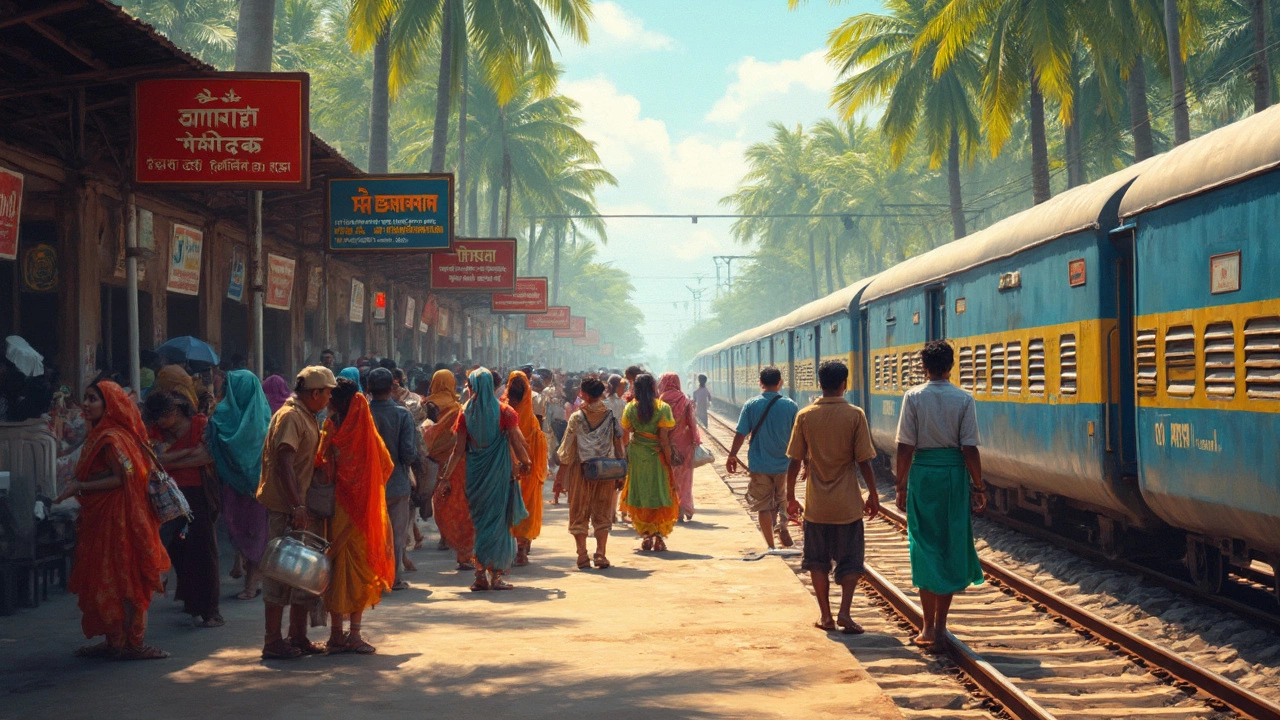
You’ll also need to know how to handle the heat. South India doesn’t cool down much at night. Pack light cotton, skip the jeans, and always carry a reusable water bottle—tap water isn’t safe anywhere here. Public transport is cheap but crowded. If you’re traveling solo or with family, book private drivers through trusted local agencies. They know the back roads, the hidden temples, and where to stop for the best filter coffee. And don’t rush. South India rewards patience. A three-day trip to Mysore can include a palace tour, a silk market, and a quiet evening at the Chamundi Hills—all without a single tourist trap.
Food is another story. In Tamil Nadu, you’ll eat idli and sambar for breakfast. In Karnataka, try bisibele bath. In Kerala, coconut-based curries rule. You don’t need fancy restaurants. Street food stalls run by grandmothers are where the real flavors live. Just follow the locals. If a place has a line of three or more people, it’s good.
There’s no single perfect itinerary for South India. But with the right tips, you’ll avoid the traps, find the magic, and leave with memories that stick longer than any Instagram photo. Below, you’ll find real stories from travelers who’ve been there—what worked, what didn’t, and what they’d do differently next time.