Trekking Cost India: How Much Does It Really Cost to Hike in the Himalayas and Beyond
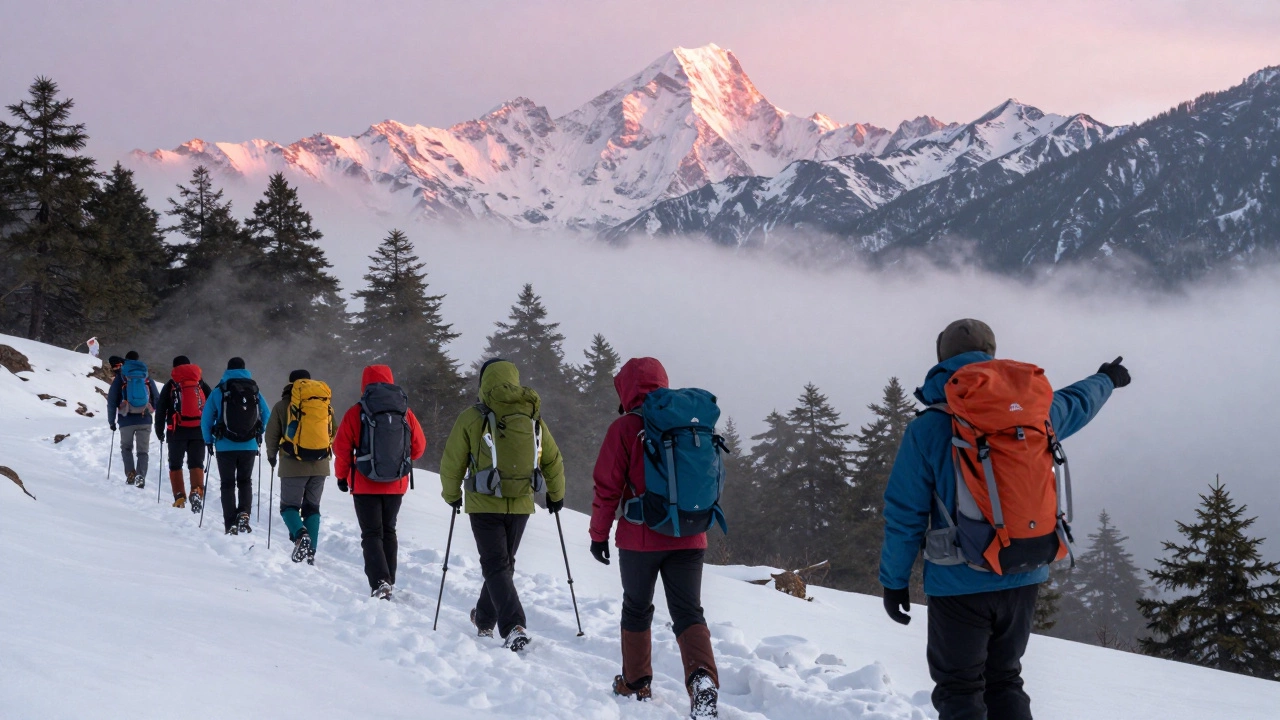
When you think of trekking in India, a physical journey through rugged mountains, remote villages, and sacred trails that draw adventurers from around the world. Also known as mountain hiking in India, it’s not just about walking—it’s about crossing high passes, sleeping under stars, and meeting locals who’ve lived these paths for generations. The cost? It’s not one number. It depends on where you go, how long you stay, and whether you go solo or with a group.
Himalayan trekking, the most popular form of trekking in India, includes routes like the Valley of Flowers, Roopkund, and the Markha Valley. Also known as North India treks, these trails require permits, guides, and sometimes porters—each adding to the total. A basic 5-day trek in Uttarakhand might start at ₹8,000 ($95), while a 10-day expedition in Ladakh can hit ₹25,000 ($300) or more. You’re not just paying for the trail—you’re paying for food, shelter, oxygen, and safety. In places like Manali or McLeod Ganj, you can rent a sleeping bag for ₹300 a day or buy a cheap one for ₹2,500. A local guide? Around ₹1,500 per day. That’s cheaper than hiring a car in Delhi, and way more meaningful.
Budget trekking India is totally doable if you know where to look. Skip the packaged tours that charge ₹50,000 for a 7-day trip—you can do the same route for half the price by booking locally. Many trekkers start in Rishikesh or Shimla, hop on a bus to the trailhead, and stay in guesthouses that cost ₹500 a night. Food? Dal rice and roti for ₹100. Tea at a mountain stall? ₹20. You don’t need fancy gear. A good pair of shoes, a rain jacket, and a headlamp will get you through most trails. Even in the high-altitude zones like Spiti or Zanskar, you’ll find homestays run by families who’ve been welcoming trekkers for decades. They’ll cook for you, show you the way, and maybe even invite you to a local festival.
And it’s not just the Himalayas. The Western Ghats in Kerala and Karnataka offer lush, green treks like the Kudremukh Trail, where costs are even lower. The Andaman Islands? You can hike through jungle trails near Neil Island for under ₹5,000 total, including ferry rides. Each region has its own rhythm, its own price list, and its own kind of magic.
What you won’t find on most travel blogs? The hidden fees. Some parks charge ₹500 just to enter. Some villages ask for a small donation if you stay overnight. Some guides expect a tip after a long day. These aren’t scams—they’re part of the system. Locals rely on this income. Paying fairly means the trails stay open for the next person.
So how much should you budget? If you’re going solo and light, plan for ₹1,500 to ₹2,500 per day. If you’re with a group and want comfort, double that. The best treks aren’t the most expensive—they’re the ones where you connect with the land and the people. Below, you’ll find real stories from people who’ve done it on a budget, packed smart, and still came back changed.