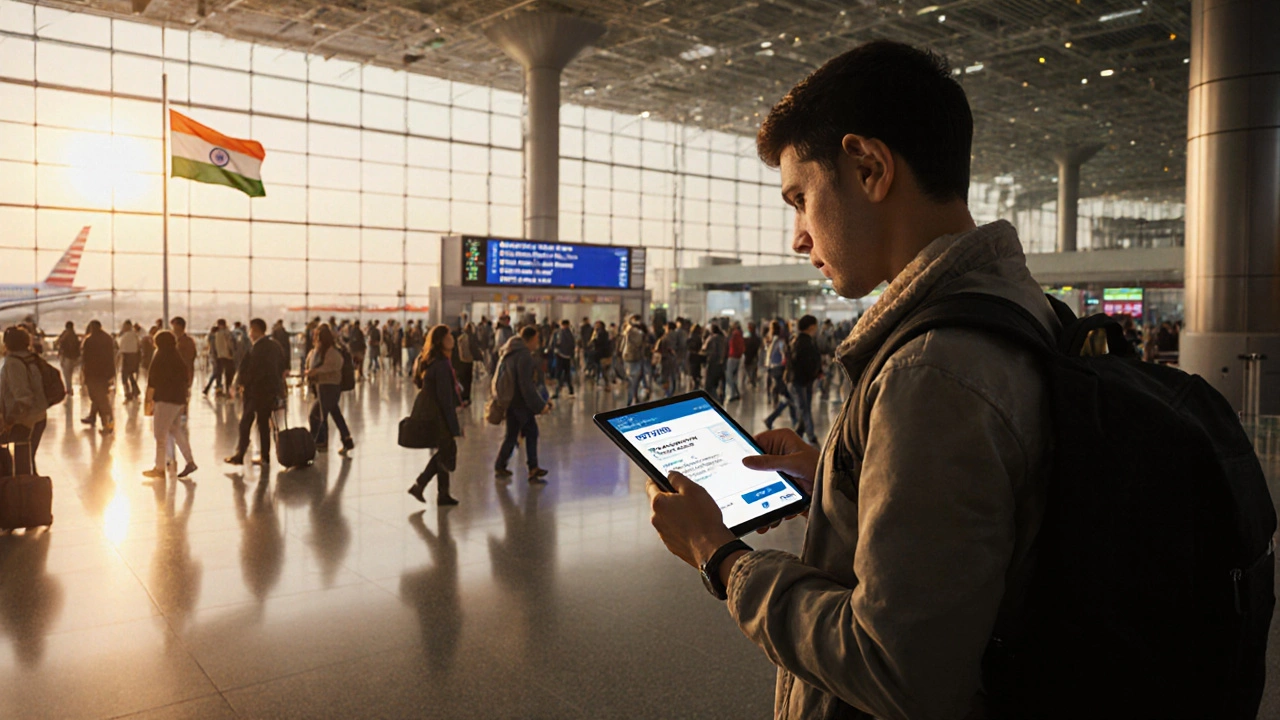
US Citizens Travel India Safety: What You Need to Know Before You Go
When US citizens travel India safety, the real question isn’t whether India is dangerous—it’s whether you’re prepared for how things actually work there. Also known as travel safety in India for Americans, this isn’t about fear—it’s about smart habits that keep you out of trouble and make your trip smoother. India isn’t a single place. It’s 28 states, hundreds of languages, and countless ways of life. What’s safe in Jaipur might feel different in Varanasi or Goa. But the good news? Millions of Americans visit every year and return with amazing stories—not because they got lucky, but because they knew what to expect.
Most safety concerns for US travelers come down to three things: scams, petty theft, and cultural misunderstandings. Pickpockets exist in crowded train stations and tourist spots, just like in Paris or Rome. But here, they often work fast and quietly. A bag left unattended on a bus, a fake tour guide offering "free" tea, or a "helpful" stranger guiding you to a "better" hotel—these are common tricks. The fix? Stay aware. Don’t flash cash. Carry only what you need for the day. Use hotel safes. And if someone pushes too hard to help, a polite "no thank you" works better than any argument.
Transportation is another area where preparation matters. Ride-hailing apps like Ola and Uber are reliable in cities, but avoid unmarked cabs. If you’re taking a train, book tickets through the official IRCTC website—not third-party sellers. Overnight trains are safe if you choose AC sleeper class, and women can use the women-only coaches. For road trips, hiring a driver with a known company is smarter than renting a car. Indian roads are chaotic, and traffic rules are more like suggestions. You’ll get there faster—and safer—with someone who’s been doing it for years.
Food safety is often overblown. You don’t need to eat only in five-star hotels. Street food is where India’s soul lives. Look for stalls with a crowd—especially locals. Hot, freshly cooked food is safe. Avoid raw salads and ice in drinks if your stomach is sensitive. Bottled water is cheap and everywhere. Most Americans get a mild case of "Delhi Belly"—not because India is dirty, but because their system isn’t used to the spices and bacteria. It’s usually over in a day or two.
Women travelers should know a few local norms. Dressing modestly helps avoid unwanted attention. Cover shoulders and knees in rural areas and religious sites. Harassment is rare but can happen. If you feel uncomfortable, walk away, find a shop or café, or ask for help from a female staff member. Most Indians are respectful, but cultural differences can blur lines. A smile and a firm "no" go further than anger.
Healthcare in India is world-class in major cities. Hospitals in Delhi, Mumbai, and Bangalore have English-speaking staff and follow international standards. Travel insurance that covers medical evacuation is a must. Pharmacies are everywhere—you can buy common medicines without a prescription. But don’t self-diagnose. If you’re sick for more than two days, see a doctor.
What you won’t find in guidebooks? The quiet moments of safety. The shopkeeper who remembers your name. The family who invites you to share chai. The local who walks you to your rickshaw because it’s getting dark. India’s real safety isn’t in locks or laws—it’s in the people. And most of them want you to have a good time.
Below, you’ll find real stories from travelers who’ve been there—what surprised them, what scared them, and what turned out to be totally fine. No fluff. No fear-mongering. Just what actually works when you’re on the ground in India.